
The Best Photo Spots on Captiva Island for Every Kind of Shot

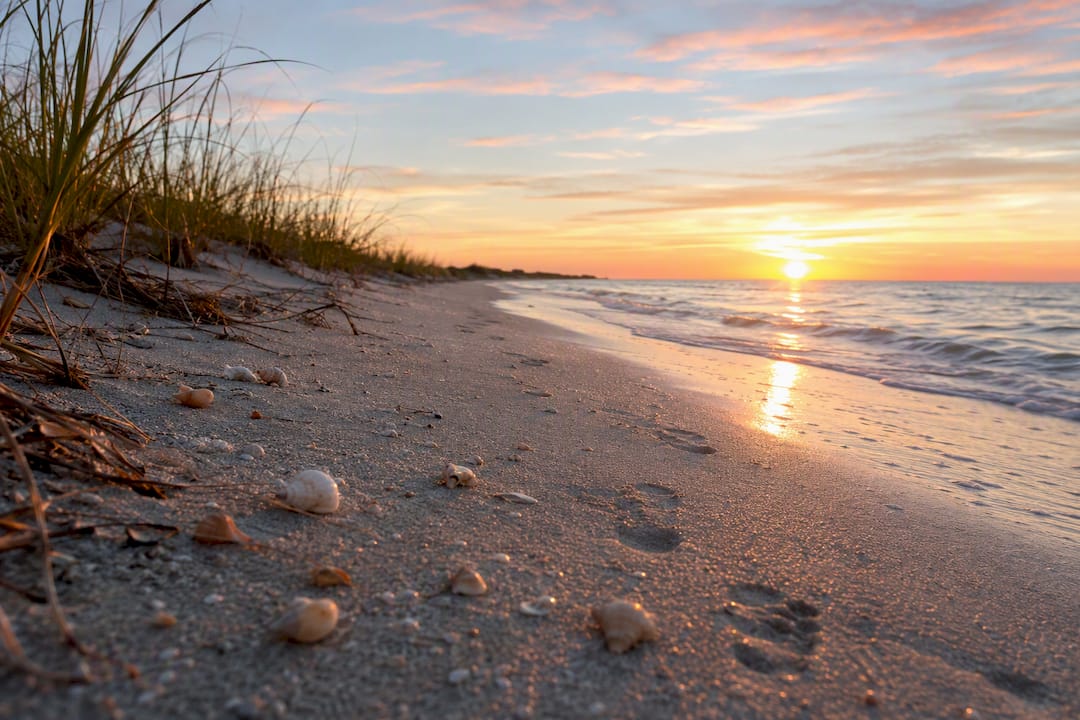
The best photo spots on Captiva are Captiva Beach for sunsets, Turner Beach and Blind Pass for shelling and texture, and Alison Hagerup Beach Park for quiet, wide-open seascapes. Each spot earns its reputation differently, and knowing which one matches the shot you want saves you a wasted golden hour.
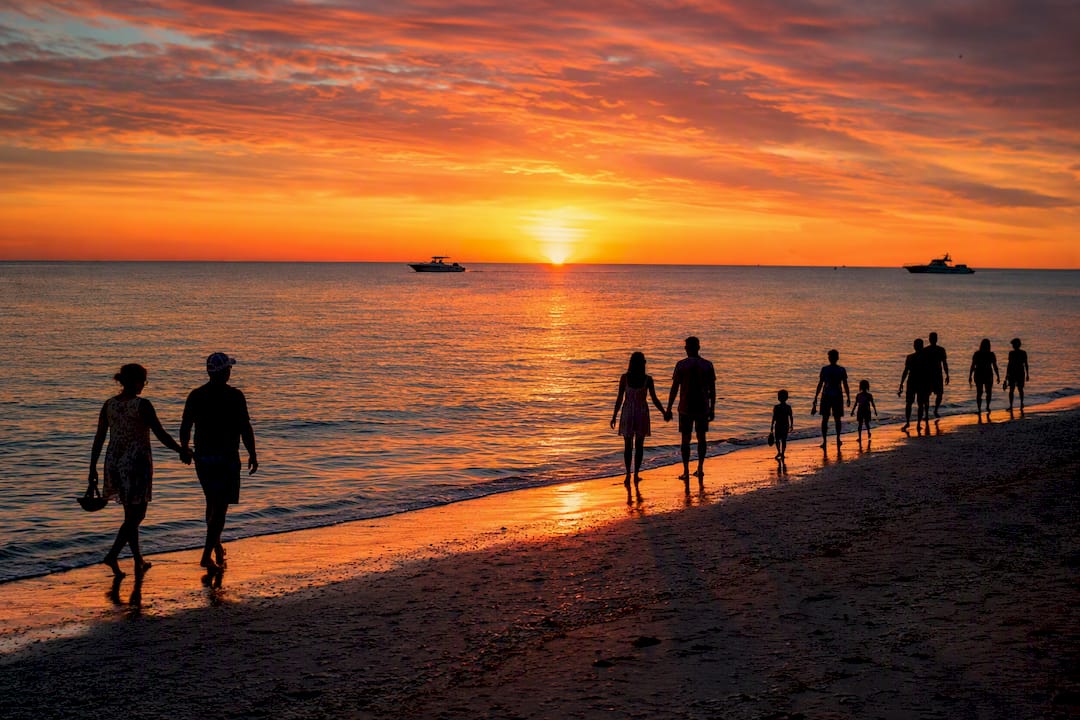
Captiva Beach (village shoreline) — the go-to for that classic orange-and-pink Gulf sunset with people, boats, and beach chairs for scale.
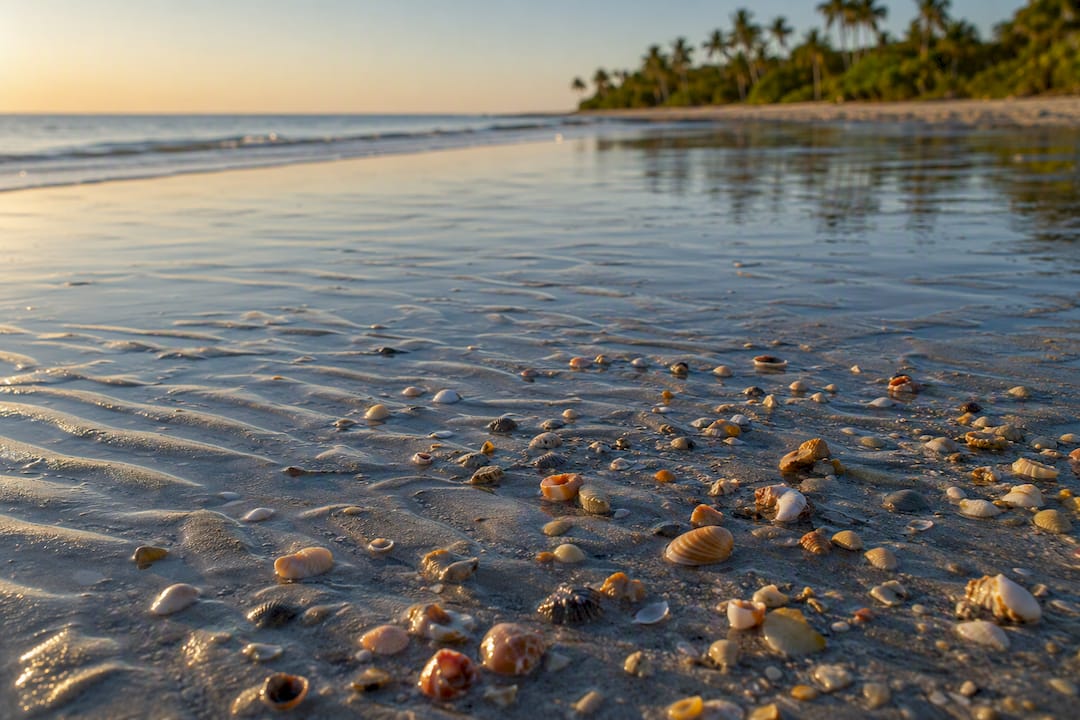
Turner Beach / Blind Pass — the island’s best shelling ground, with swirling tidal channels that make striking foregrounds.
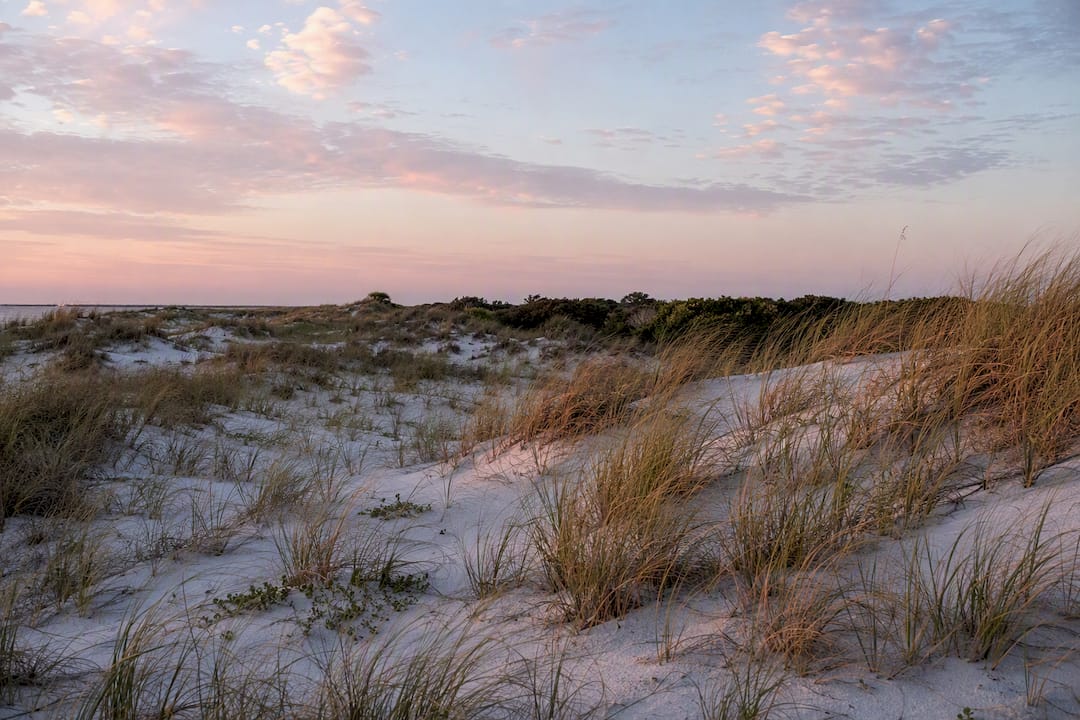
Alison Hagerup Beach Park — a quieter stretch of sand where wide-angle shots don’t fight for space with a crowd.
South Seas Resort / Sunset Beach — resort architecture and palm silhouettes framing the same sunset from a different angle.
Lighthouse and pier vicinity (near Sanibel) — vertical lines against a setting sun, a short drive from Captiva.
North Captiva and village-adjacent stretches — secluded compositions and better odds of wildlife without another photographer in frame.
Village shoreline near restaurants and shops — casual, candid island-life shots between sunset sessions.
For sunsets, Captiva Beach wins. For shells and texture, Turner Beach at Blind Pass wins. Plan to arrive during golden hour, roughly 45 to 60 minutes before sunset, no matter which spot you pick.
Key Takeaways
The best photo spots on Captiva pair a specific subject, sunsets, shells, or wide open shoreline, with the right time of day and tide.
Point | Details |
Best sunset spot | Captiva Beach near the village offers the classic Gulf sunset with people and boats for scale. |
Best shelling and texture | Turner Beach at Blind Pass provides tidal channels and shell-strewn foregrounds, best near low tide. |
Best quiet wide shot | Alison Hagerup Beach Park offers open dune lines with far fewer people than the village shore. |
Timing matters most | Arrive 45 to 60 minutes before sunset and check tide tables the same morning. |
Where to stay | Captiva Island’s beachfront and village rentals cut walking distance to Captiva Beach and Turner Beach. |
Where to learn more about Captiva’s beaches and rules
For trip planning beyond photography, Visit Florida and Visit Fort Myers cover island activities, while Lee County’s parks pages list official beach access and rules.
Table of Contents
Best Photo Spots Captiva: A Detailed Guide to Each Location
Every one of these spots does something different with light, water, and sand. Here’s what to expect from each and how to compose your shot once you get there.
1. Captiva Beach: the village shoreline for classic sunsets
This is Captiva’s main event. The village beach near South Seas Resort is where locals and visitors gather every evening to watch the sun drop into the Gulf, and it makes for a naturally social, colorful scene. Shoot low, with a person or two walking the shoreline for scale, and let the wet sand mirror the sky. Parking near the village lots fills up fast in high season, so plan to arrive before the crowd thickens.
2. Turner Beach and Blind Pass: shelling and dynamic water
Turner Beach sits where Captiva meets Sanibel at Blind Pass, a narrow channel known for strong currents and some of the best shelling on either island. Low tide exposes small channels and rippled sand that photograph beautifully as foreground texture, especially with a shell or two placed for scale in the bottom third of the frame. Lee County’s Turner Beach page has current access and facility details worth checking before you go, since the pass can shift with storms and seasonal currents.
3. Alison Hagerup Beach Park: minimalist wide-angle seascapes
If Captiva Beach feels crowded at sunset, Hagerup Park is the antidote. It’s a smaller, quieter stretch of Gulf-front sand with long dune lines that work well for a wide-angle lens and a mostly empty frame. This is the spot for photographers who want negative space, not people, dominating the composition.
4. South Seas Resort and Sunset Beach: architecture meets golden hour
The resort grounds give you something the open beach doesn’t: structure. Palm-lined walkways, dock pilings, and low-slung resort rooflines all make strong silhouettes against a Gulf sunset. This is a good backup when Captiva Beach is too busy to get a clean composition, or when you want a shot with a bit more built environment in the frame.
5. Lighthouse and pier vantage points
The Sanibel Lighthouse sits a short drive south and gives you a vertical anchor that beach shots often lack. Piers and lighthouse structures work well shot into the sun, turned into strong black silhouettes against orange and violet skies. It’s worth the detour if you’re island-hopping for a sunset series rather than shooting Captiva alone.
6. North Captiva and quieter village-adjacent stretches
Stretches north of the main village, toward less developed parts of the island, tend to draw far fewer people at sunset. That makes them ideal if you want an uninterrupted horizon line or a better shot at spotting shorebirds working the tide line. It also tends to reward patience over convenience: fewer amenities, more solitude.
Camera Settings and Composition Tips for Captiva’s Light
Gulf-facing sunsets on Captiva mean golden hour runs roughly the hour before sunset, with blue hour following for another 20 to 30 minutes after the sun dips below the horizon. A basic weather or sun-tracking app on your phone will give you exact sunset times and the direction of light for the day, which matters more here than most places because the beach faces almost due west.
Use a wide-angle lens (16 to 35mm equivalent) for beach and sunset seascapes.
Bring a 70 to 200mm zoom if you’re hoping to photograph dolphins or shorebirds from a boat or the shoreline.
Handheld shots work fine in golden hour light; switch to a tripod once you’re into blue hour or shooting silhouettes at slower shutter speeds.
Use shells, driftwood, or a person’s silhouette as foreground scale rather than shooting an empty horizon.
Check tide tables the morning of your shoot. Low tide at Blind Pass exposes more texture; high tide narrows your beach and foreground options.
Keep a respectful distance from dolphins and shorebirds, and never feed wildlife to get a closer shot.
Pro Tip: Shoot the sunset itself for the first ten minutes, then turn your camera around. The pastel light reflecting on the sand and dune grass behind you often makes a better photo than the sun itself.
Parking, Access, and Timing on Captiva
Village lots near Captiva Beach and South Seas Resort are small and can fill up early during the peak season months. Turner Beach has its own county-maintained lot, detailed on Lee County’s Turner Beach page, but it’s compact and often full by late afternoon on weekends.
Arrive well before sunset to secure parking and a clear vantage point.
Expect a short walk from most lots to the beach, generally manageable with a tripod and camera bag.
Leave live shells where you find them; most county beaches restrict collecting live specimens.
Respect posted leash rules and beach hours, which vary slightly by location.
Why This Guide Reflects Real Captiva Experience
Captiva Island has operated on this stretch of the Gulf for more than 30 years, which means our recommendations come from actually knowing where the light hits, where the crowds gather, and where they don’t.
We’ve mapped how walking distance from village and beachfront rentals affects how much gear you can realistically bring to a sunset shoot.
Locations like Turner Beach and the village shoreline near South Seas Resort show up again and again in photographer-sourced location lists, which lines up with what our own guests report.
Morning sessions at Turner Beach or Hagerup Park tend to be quieter and better lit for shell photography than any afternoon slot.
A photographer’s quick Captiva itinerary
Shoot sunrise shelling at Turner Beach or Hagerup Park, rest through midday, then close the day at Captiva Beach for sunset. Keep your distance from wildlife and leave the shells where they lie.
Book a stay that puts you steps from the shot
The biggest advantage a photographer has on Captiva isn’t gear, it’s location. Staying inside the village or directly on the beachfront means you can walk to golden hour instead of driving to it, which matters when you’re chasing a 20-minute window of light with a tripod under one arm.

Captiva Island’s map-based rental search lets you filter for beachfront and village-adjacent homes, so you can see exactly how close a property sits to Captiva Beach, Turner Beach, or the South Seas Resort shoreline before you book. If sunrise shelling is part of your plan, our beachfront homes put you closest to Turner Beach and Blind Pass, while a bayfront home offers a quieter option with its own sunrise angle over the water. Photographers booking rental stays around a shoot schedule often plan lodging the same way professional photography trips generally do: proximity first, amenities second. Check availability on Captiva-island’s rental search and book directly to lock in your dates before high season fills the closest properties.
Frequently Asked Questions
What is the single best spot for sunset photos on Captiva? Captiva Beach near the village shoreline is the top choice, offering an unobstructed west-facing view of the Gulf along with people, boats, and beach chairs for foreground scale.
Where should I go for shelling photos? Turner Beach at Blind Pass is Captiva’s best-known shelling ground, with tidal channels that create strong foreground texture, especially at low tide.
When is golden hour on Captiva? Golden hour runs roughly the hour before sunset, with blue hour continuing for another 20 to 30 minutes after the sun sets. A sun-tracking app will give you the exact time for your visit date.
Do I need a special lens for wildlife or dolphin photos? A 70 to 200mm zoom gives you enough reach for dolphins and shorebirds without disturbing them, which matters both for the shot and for the animals’ safety.
Is Turner Beach parking difficult during high season? Yes. The lot is compact and often fills by late afternoon from February through April, so arriving early or shooting a sunrise session instead can help you avoid the crowd.
Sources
Recommended
Comments