
Book Your Captiva Rental for Sunrise Shelling: 3-Day Plan

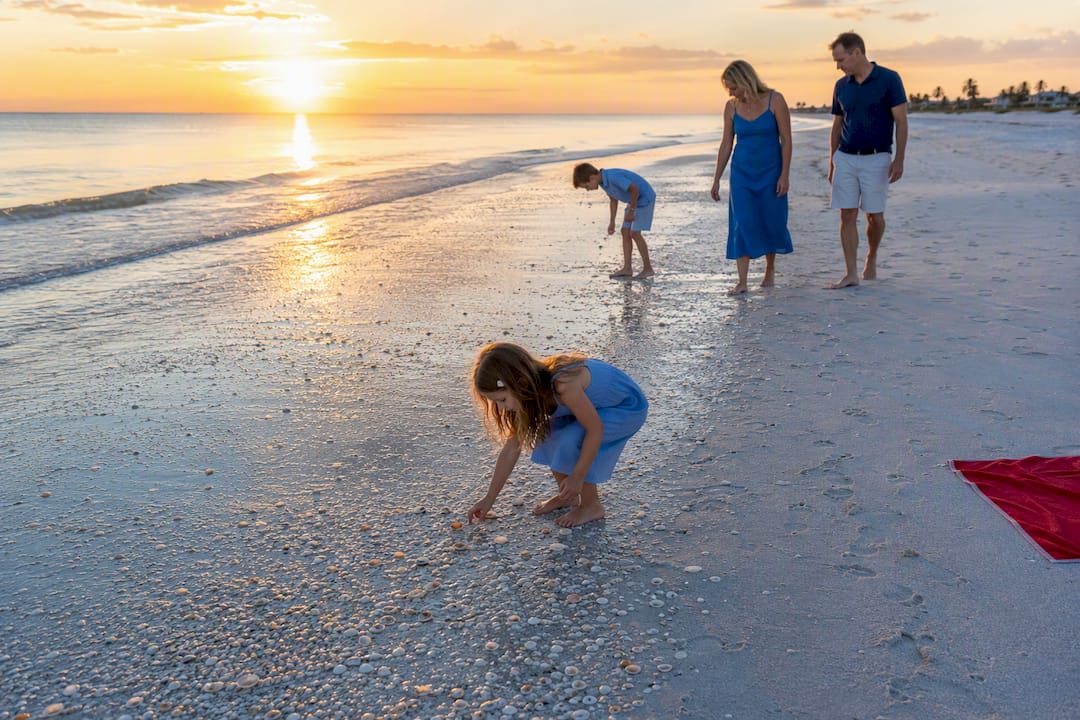
Three days on Captiva runs like this: arrive midafternoon and ease into the beach with a sunset walk, wake before dawn on day two for the best shelling of the trip followed by one big activity you book ahead, then close day three with a last swim and an easy drive off the island. Reserve your rental and any boat cruise or Cayo Costa trip the moment your dates are set. A beachfront or bayfront home gives you the fastest path to sunrise and sunset without ever checking a clock.
TL;DR:
Booking outdoor activities like boat trips and ferry rides in advance is essential during peak season to secure availability and preferred times.
Choosing a rental with a full kitchen and easy beach access maximizes flexibility for sunrise shelling and sunset walks, especially if staying only three days.
Planning activities early, such as sunrise shelling and morning excursions, takes precedence, while leaving afternoons free for relaxation or spontaneous exploration.
Arriving at the airport in Fort Myers and crossing the Sanibel Causeway takes about 45 minutes to an hour, with boat or water taxi access required for North Captiva.
Locking in accommodations near the water, whether beachfront or bayfront, helps optimize time for shelling, beach walks, and sunset viewing while avoiding last-minute booking stress.
Table of Contents
Getting to Captiva: Airport, Driving, and Ferry Basics
Southwest Florida International Airport (RSW) in Fort Myers is the closest major airport, and the drive to Captiva runs about 45 minutes to an hour depending on traffic and time of day. You’ll cross the Sanibel Causeway, cut through Sanibel, and continue north on Captiva Drive until the road narrows and the island slows down around you.
Captiva itself connects by car. North Captiva, a separate barrier island just offshore, does not. That smaller island is boat access or small plane only, so if your itinerary includes a stop there, build in a water taxi or charter and a buffer for weather delays.
A few logistics worth locking in before you pack:
Check-in and checkout on most rentals runs a standard 4:00 PM in, 10:00 AM out window, though beachfront homes sometimes shift this seasonally.
Morning departures on day three should work backward from any ferry or boat schedule you’ve booked. Ferries to Cayo Costa or North Captiva run on fixed windows, not on your timeline.
Peak season (February through April) means the fullest beaches, the warmest water, and the longest lead time on rentals and captained excursions, which can book out months ahead.
Shoulder season (late fall, early May) trades a little humidity for lighter crowds and easier reservations.
Off-season (deep summer) brings the best prices and the quietest beaches, with a real chance of afternoon storms that push activities to the morning.
If you’re weighing whether to split time between Captiva and Sanibel or stay put, a short comparison of Captiva Island vs Sanibel Island can help you decide before you build the rest of the schedule around it.
Day 1: Arrival, an Easy Beach Walk, and Sunset
You don’t need a packed first day. Getting settled and slowing down is the point.
Do a quick property walkthrough. Check the fridge is running cold, confirm the Wi-Fi password, and if a golf cart came with the rental, review parking rules and charging habits before you’re tired and rushing.
Unpack just enough for the evening. Swimsuits, sunscreen, and a light layer out first; everything else can wait.
Walk the beach for 30 to 45 minutes before the light fades. This first walk is really a scouting trip. Good shells tend to collect where the tide has recently pulled back, along small ridges of sand and debris rather than the flat, dry stretches.
Watch the sunset from the beach directly behind or near your rental. Captiva’s west-facing shoreline means almost any open stretch works, but the wider, less developed sections tend to give you a clean, uninterrupted horizon.
Keep dinner simple. A home-cooked meal in a rental with a full kitchen means nobody’s fighting traffic or waiting for a table on night one. If you’d rather walk somewhere, pick a casual spot within golf-cart distance and skip anywhere that needs a reservation this early in the trip.
If you’re traveling with young kids, day one is where you set the tone for the rest of the stay. A slow arrival, an early dinner, and lights out at a reasonable hour beats trying to cram in an activity nobody has the energy for. Families looking for a broader sense of what fits the group can check a family-focused guide to Captiva before locking in day two.
Pro Tip: Bring a small flashlight or your phone’s flashlight for that first evening walk. Some of the best shells show up right at dusk, when the low-angle light catches the curve of a shell that would otherwise blend into the sand.
Day 2: Sunrise Shelling, One Big Activity, and Island Dining
This is the day the whole trip gets built around, and it starts before the coffee does.
Shelling is best within the first hour or two after sunrise, before foot traffic disturbs the sand and before the sun gets high enough to wash out the contrast that makes shells easy to spot. The stretches of Captiva Beach with the least beachfront development tend to hold onto more shells overnight, since fewer people are walking them the evening before. Bring a mesh bag, wade in ankle-deep where the sand is churned by wave action, and work slowly rather than covering ground fast. A dedicated shelling guide for Captiva walks through which shells are common finds and which are worth the extra look.
Once the shelling window closes, midmorning is when you commit to one real activity. Trying to do two in a single day usually means rushing both.
Kayak or paddleboard through the mangroves of Pine Island Sound for a couple of hours. Low-effort, quiet, and good for any age or skill level.
Book a Captiva Cruises dolphin or sunset tour. Visit Florida lists dolphin and wildlife cruises among the island’s top draws, and a two-hour boat trip is an easy way to see the coastline from the water.
Take a day trip to Cayo Costa State Park, an island-access-only park with roughly 9 miles of pristine, undeveloped beach that draws serious shellers. Plan for a full half-day commitment once you factor in the ferry, and know there are no restaurants or cafes once you’re there, so pack water and lunch.
Charter a short fishing trip if the group wants something more active than a cruise but less involved than a full day trip.
Book the boat trips early. Captained excursions and popular charters can fill up months ahead during peak season, and a Cayo Costa ferry has fixed departure times you can’t negotiate around on short notice.
Pro Tip: If dolphins are the priority, ask about early morning departure times when booking your cruise. Dolphin pods tend to be more active and visible before the midday boat traffic picks up.
For dinner, island restaurants fill fast on weekend nights, so call ahead or book online once you know your afternoon plans. A few spots run BYOB, which is worth confirming when you reserve. Couples looking for a slower, more romantic close to the day might prefer a quieter dinner spot over a livelier option.

Day 3: One Last Sunrise, Easy Breakfast, and a Clean Departure
Keep the final morning short and deliberate.
Get back to the beach at first light for either a quick swim or one more pass for shells. This is often when the best, least-picked-over finds show up, since overnight tides reset the shoreline again.
Pack while the group is still out. Whoever isn’t swimming can start folding, gathering chargers, and loading the car or cart so the morning doesn’t turn into a scramble.
Eat something simple. Leftover groceries from the kitchen or a quick grab-and-go stop works better than trying to squeeze in a sit-down breakfast on a departure day.
Run a fast cleanup pass on the rental: dishes rinsed, trash bagged, wet towels off the furniture. Most hosts don’t expect a deep clean, but a tidy handoff matters.
Time your checkout around your transportation, not the other way around. If you’re driving off via the Sanibel Causeway, standard checkout windows leave plenty of room. If a ferry or water taxi is part of your exit, confirm the departure time the night before and build in a buffer.
If there’s an hour to spare, a quick stop at Captiva Chapel by the Sea makes for a peaceful last photo before you leave, and it sits close enough to the main road that it won’t cost you much time. Small island shops near the marina are worth a last pass too, if anyone in the group wants a souvenir that isn’t a shell.
Where to Eat, What to Book, and Where to Stock Up
A short reference for the choices that come up again and again once you’re actually on the ground.
Casual beachfront dining works for lunch or a laid-back dinner and rarely requires much advance planning outside of weekend evenings.
Family-friendly spots tend to have shorter waits earlier in the evening, which matters if you’re managing bedtimes.
Special-occasion restaurants book up fast on weekends during peak season, so call a few days ahead rather than assuming you’ll walk in.
Captiva Cruises and Cayo Costa ferries are the two excursions worth booking before you even land, since both run on fixed schedules with limited seats.
Kayak and paddleboard rentals are widely available near the marinas, usually by the half-day or full day, with no advance booking needed outside of peak weekends.
Groceries are easiest handled at a mainland Publix location on the way in, since island shops carry basics but not a full stock-up run.
Hours shift with the season, and some smaller operators close entirely for a few weeks in late summer, so it’s worth a quick call or website check before you build a whole day around one stop. A broader look at things to do on Captiva Island covers a few more options if your group wants a backup plan for a rainy afternoon.
What to Pack and How to Stay Safe on the Beach
A short list covers most of what trips people up on a first visit.
Mesh shell bag (a produce bag from home works fine)
Reef-safe, broad-spectrum sunscreen, reapplied every couple of hours
A light rain layer for sudden afternoon showers, especially in summer
Reusable water bottle and phone chargers that can handle sand and humidity
Closed-toe water shoes for rockier stretches of shoreline
Florida sun is stronger than most visitors expect, even on overcast days, and sun protection guidance from dermatology researchers points to reapplying sunscreen and limiting exposure during peak midday hours as the two habits that matter most.
Leave live shells and any occupied shell where you find it. A shell with something still living inside is easy to spot once you know to check, and a quick photo beats disturbing the animal. If a golf cart came with your rental, treat intersections carefully. Most cart-related injuries on the island come from distracted driving on quiet residential roads where people assume no one else is coming.
Why a Rental Beats a Hotel for This Kind of Trip
A three-day trip built around sunrise shelling and sunset beach walks works better from a home than a hotel room. You’re not waiting on a restaurant to open for breakfast or losing beach time to a formal checkout desk. Booking beachfront and bayfront homes on the island offers small benefits like a private pool for the afternoon lull between beach sessions, a full kitchen for flexible meal times, and the option of direct booking that may avoid extra fees from third-party sites.
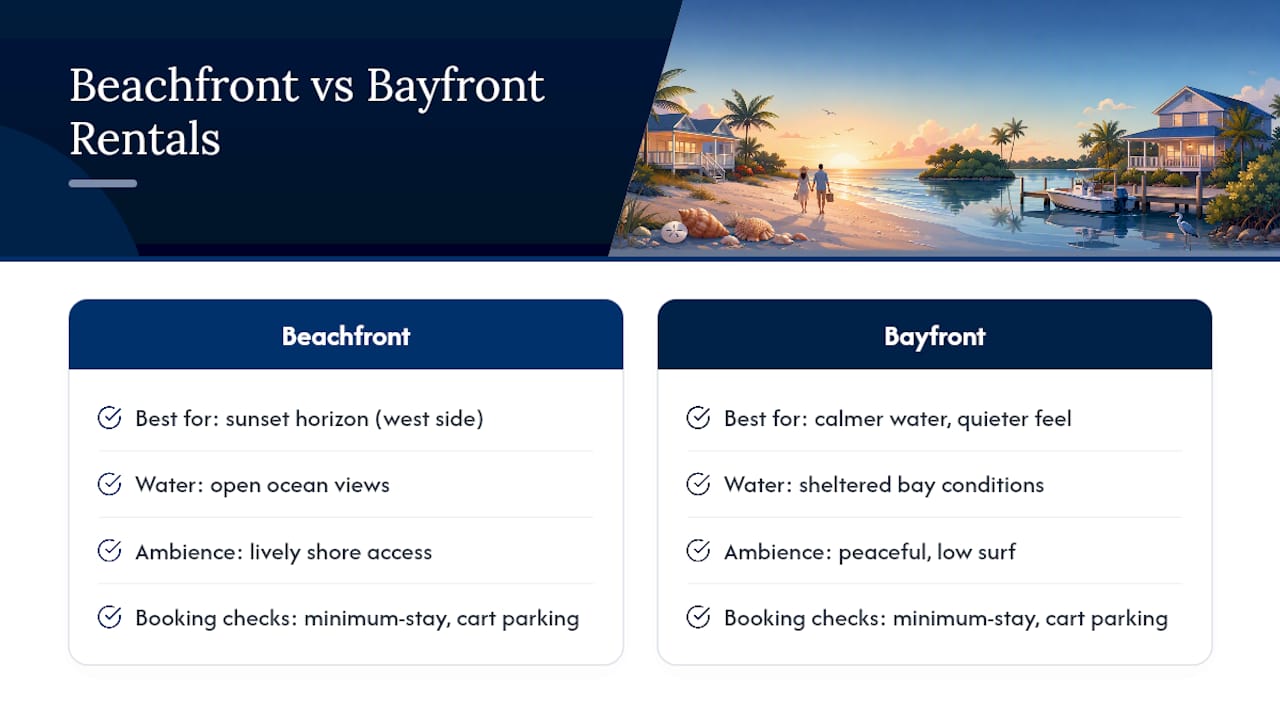
When you’re choosing between a rental for sunrise priorities versus sunset ones, beachfront homes on the west side put you closer to that evening horizon, while bayfront properties often mean calmer water and a quieter feel. Either way, ask about minimum-stay requirements and golf-cart parking before you book. Not every home accommodates a cart, and three days goes faster than it sounds once you’re there.
Book Your Captiva Rental Before the Best Dates Go
A beachfront rental puts you steps from the sand for that sunrise shelling window, while a bayfront home trades a little beach proximity for calmer water and often a quieter setting, useful if an afternoon nap by a private pool is part of the plan. Either way, booking direct through a local vacation rental platform can offer advantages such as avoiding third-party markups and access to local expertise about homes near the best shelling spots or with golf-cart parking.

If sunrise access matters most to your group, start with the beachfront rentals. If you’re traveling with kids who’ll want pool downtime between beach sessions, the homes with private pools narrow things down fast. For a quieter, calmer-water stay, browse the bayfront homes. Whichever fits, check available rentals now and lock in your dates before peak season fills the calendar.
Where to Check Official Details Before You Go
A few pages are worth bookmarking before your trip, since fees and hours can shift and you don’t want a surprise on arrival day.
J.N. “Ding” Darling National Wildlife Refuge for current entry fees and Wildlife Drive access hours if you’re adding a Sanibel side trip.
Visit Florida’s Captiva Island overview for a broader list of attractions and seasonal activity ideas.
Captiva-island’s visitor’s guide for local planning tips and rental logistics specific to the island.
Self-catering stay guidance if a rental with a full kitchen is new to your travel style.
Reader Perspective on Building This Itinerary
Most Captiva itineraries you’ll find online try to cram in too much, stacking three or four activities into a single day because it looks impressive on a blog post. That’s backwards for a three-day trip. The whole appeal of this island is its size. It’s small enough that you’re never more than a short drive or cart ride from the beach, and that means the itinerary should protect open time, not fill it.
The single biggest planning mistake is treating Cayo Costa or a dolphin cruise as something you can decide on day two once you’re there. Both run on fixed departures with limited capacity, and waiting until you’re on the island to book means you’re choosing from whatever’s left, not what you actually wanted. Reserve those pieces before you land, then let the rest of the schedule stay loose.
The second mistake is underestimating how much a rental’s layout shapes the trip. A home without a real kitchen turns every meal into a logistics problem, and a property without easy beach access eats into the exact hours (sunrise and sunset) that make this itinerary worth doing in the first place. Get those two things right and the rest of the plan takes care of itself.
— Josh
Sources
FAQ
Which Is Nicer, Captiva or Sanibel?
They serve different moods rather than one being objectively better. Sanibel offers longer bike trails and the Ding Darling refuge, while Captiva is smaller and quieter, better suited to easy beach walks and short, low-key days.
What Are the Must-See Things on Captiva Island?
Captiva Beach for shelling and sunset, Captiva Chapel by the Sea, a dolphin or wildlife cruise with a company like Captiva Cruises, and a paddling trip through Pine Island Sound cover the island’s core highlights in a three-day stay.
Is There a Famous Person Who Lives on Captiva Island?
Captiva has long attracted authors, artists, and public figures drawn to its quiet, low-key setting, though the island’s residents generally keep a private, low profile rather than being widely publicized.
Where Is the Best Place to Stay on Captiva Island?
A beachfront or bayfront vacation rental typically works better than a hotel for a short trip, since a full kitchen and private pool support flexible meal timing and easy beach access. Booking direct through a local provider like Captiva-island also gives you more say in matching the home to your group’s sunrise or sunset priorities.
Recommended
Comments