
Two Beach Days, One Excursion: 7 Day Captiva Itinerary to Relax

Seven days on Captiva means two full beach days, one boat excursion, a kayak morning through mangrove estuaries, a slow day for the pool and village shops, a Sanibel or charter day, and a gentle farewell sunset. This pacing suits families, couples, and beach lovers who want structure without a packed schedule. You’re about an hour from Southwest Florida International Airport via the Sanibel Causeway, and the sections below walk through booking, packing, and day-by-day logistics.
TL;DR:
Booking the dolphin cruise or Cayo Costa trip early is essential, as peak season demand fills up weeks or months in advance.
During midweek, focus on relaxing activities like pool time and local shopping to avoid weekend crowds and secure reservations easily.
Packing should include reef-safe sunscreen, water shoes, a dry bag, and tide charts, especially for shelling and kayaking days.
Weather in summer is unpredictable with brief storms, so building in a flexible schedule and indoor options like the shell museum helps manage rain delays.
Renting a private villa with a full week left room to enjoy unplanned moments, like sunsets and village walks, that create lasting memories.
Table of Contents
Day 1: Settling In, a Village Walk, and Your First Sunset
Arrival day works best when you keep it simple. Check into your rental, unpack the essentials, and knock out a quick grocery run before the kitchen becomes the center of the week.
Late arrivals (after 4 p.m.): skip the errands until morning and head straight to dinner.
Early arrivals: swing by a market for breakfast basics, then take a short walk through Captiva Village.
Sunset viewing: the beach just past the village restaurants offers an easy, low-key spot to watch the sky change color.
Dinner: pick something casual within walking distance so nobody has to drive after a travel day.
Day 2: Beach Time and Shelling at Captiva and Turner Beach
Shelling rewards early risers. Low tide in the morning, especially after a windy night, tends to expose the best finds along Captiva Beach and Turner Beach, and peak shelling season generally runs from May through September, though you can find shells year-round.
Bring reef-safe sunscreen, a shelling bucket or sieve, a beach umbrella, and water shoes for the shallows.
Turner Beach sits at the pass between Captiva and North Captiva, where currents concentrate shells but also pick up.
Check tide charts before you go and watch footing near the pass, since currents shift quickly there.
Pro Tip: Walk the shoreline right at sunrise before foot traffic disturbs the sand. Shells that washed in overnight are still sitting untouched near the waterline.
Day 3: Choosing a Dolphin Cruise or a Full Cayo Costa Day Trip
Your third day is the one built-in excursion, and it’s worth booking before you even land. Peak-season demand means boat trips can fill up weeks or months ahead.
Half-day dolphin cruise: two to three hours, lighter pace, works well with young kids or anyone who wants the afternoon free for the beach or pool.
Full-day Cayo Costa trip: a longer outing to an undeveloped barrier island with quiet, shell-rich beaches and no cars, roads, or shops. Pack lunch, water, and sun protection since there’s little infrastructure once you land.
Booking window: reserve well in advance during winter and spring peak months; shoulder-season trips can often be booked closer to your travel dates.
Families with toddlers usually prefer the shorter cruise. Anyone craving a genuinely remote beach day should commit to Cayo Costa.
Day 4: Kayaking Buck Key and Watching for Wildlife
Buck Key Preserve is the island’s best morning paddle. The loop winds through mangrove tunnels where manatees, dolphins, and roseate spoonbills show up regularly, especially in calm early hours before boat traffic picks up.
Launch close to sunrise or mid-morning, when tides are gentler and wildlife is more active.
Rentals suit confident paddlers who know basic navigation; guided tours make sense if you want a naturalist pointing out what you’re seeing.
Keep a wide distance from manatees and dolphins, and never chase or corner them in the tunnels.
Bring water, a dry bag for your phone, and check the tide and launch schedule before heading out.
Pro Tip: Paddle the loop counterclockwise in the morning. You’ll catch the mangrove shade early and finish with the sun at your back instead of in your eyes.
Day 5: Pool Time, Village Shops, and an Easy Pace
Midweek is when you let the schedule loosen. If your rental has a private pool, this is the day to actually use it. Resort guests should book spa treatments a day or two ahead, since slots fill quickly in season.
Spend the morning by the pool, then walk into Captiva Village for lunch and browsing.
Local boutiques and art galleries make for easy, unhurried shopping without a car.
Couples can extend the afternoon with a longer lunch; families often split the day between pool time and a shorter shopping loop.
Keep dinner reservations loose. Village restaurants get busy at peak times, but a 5:30 or 8:30 seating usually has room.
Day 6: A Sanibel Day Trip or a Fishing and Golf Charter
Day six is your contrast day. Sanibel, just across the causeway, offers longer bike trails and more nature preserves than Captiva’s quieter, village-like feel.
Rent bikes and ride the paved paths through Ding Darling National Wildlife Refuge for alligators, herons, and osprey.
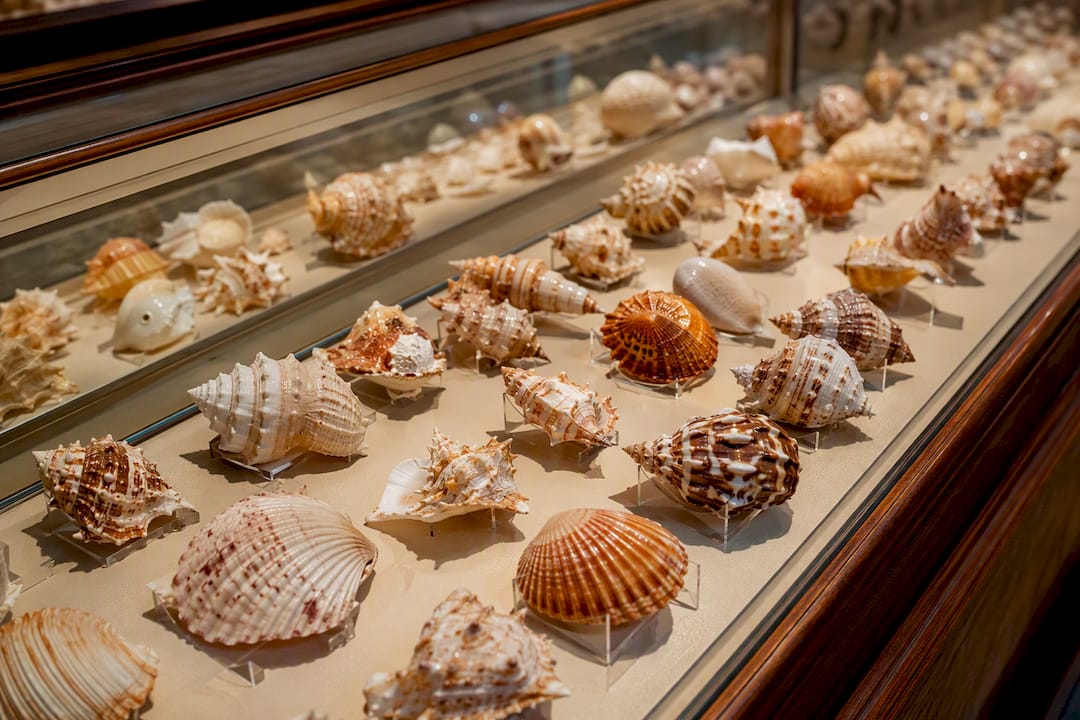
Stop at the Bailey-Matthews National Shell Museum if shelling has become the trip’s running theme.
The causeway drive between islands takes about 15 to 20 minutes, so you can still return for dinner on Captiva.
Anglers and golfers can book a half-day fishing charter or a tee time at a mainland course instead, ideally reserved a week or more ahead in peak season.
Nature lovers lean toward Sanibel. Anyone chasing a specific sport books the charter or the course.
Day 7: One Last Beach Morning, Checkout, and a Farewell Dinner
Your final day should stay light on logistics so you actually enjoy it. If your flight is afternoon or evening, spend the morning back on the beach before packing up.
Strip beds, bag trash, and gather towels per your rental’s checkout instructions.
Leave keys or lockbox codes exactly where the property manager specifies.
Confirm checkout time, since many Captiva rentals run on a Saturday-to-Saturday schedule with a firm morning deadline.
Book a farewell dinner near the village for early evening if your flight allows it, or a quick lunch spot if you’re heading straight to the airport.
How to Get There, Where to Stay, and Getting Around
Captiva sits about 30 miles from Southwest Florida International Airport, roughly an hour by car, depending on traffic and road conditions. The route to Captiva runs south from RSW toward Sanibel, then across the Sanibel Causeway, through Sanibel, and over the short bridge onto Captiva itself.
Rent a car at RSW for the most flexibility, since public transit options on the islands are limited.
Cross the causeway (a toll applies) and stop at the Sanibel-Captiva Chamber’s Visitor Center for current maps, event calendars, and any closures worth knowing about.
Continue north through Sanibel to Captiva, about a 20-minute drive from the causeway on a normal day.
For a full week, a vacation rental usually beats a resort room. A private kitchen, pool, and beach path matter more over seven days than they do over a weekend, and weekly rental patterns are common for visitors staying about a week.
Once you’re settled, getting around is simple:
A rental car covers day trips to Sanibel and the mainland with no hassle.
Island Taxi or a local driver service helps you skip parking stress on busy beach days.
Golf carts and bikes are the island’s preferred short-distance transport. Reserve both early in peak season, since they book out fast.
Best Time to Visit, Booking Timeline, and What to Pack
Winter and spring, roughly December through April, bring the mildest weather and the highest prices. Late spring and fall trade a few degrees of extra warmth for noticeably lighter crowds and better rates.
By the Numbers: Peak season (December–April) commands the highest rental and excursion pricing on Captiva, while late spring and early fall bring a quieter island and generally lower costs.
Book early if you’re traveling in peak months. High-demand rentals like golf carts, kayaks, and boat cruises can sell out weeks or even months ahead during the busiest stretch of winter and spring.
Pack with the whole week in mind, not just the beach days:
Reef-safe sunscreen (regular sunscreen is discouraged near the estuaries and reefs).
A shelling bucket, sieve, or mesh bag for Day 2.
A light layer or windbreaker for breezy evening boat rides.
Water shoes for rocky patches near Turner Beach’s pass.
A dry bag for kayaking and any device you don’t want to risk getting splashed.
What If It Rains? Backup Plans for Your Week
Florida’s Gulf Coast gets brief, intense showers more often in summer than in the December through April peak season, and most storms pass through in under an hour. A flexible mindset handles this better than a rigid schedule.
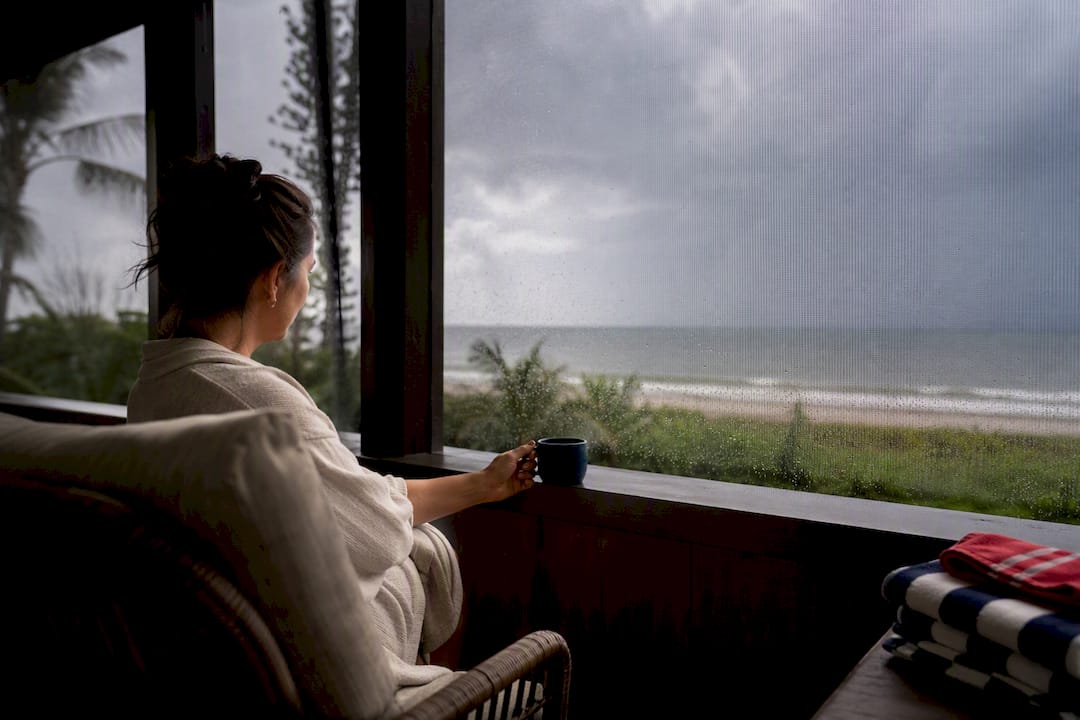
If a morning starts wet, shift your beach block later and use the downtime for the shell museum on Sanibel or a walk through Captiva’s small art galleries and boutiques, most of which stay open through drizzle. Restaurants with covered porches or bay views make a rainy lunch feel like part of the plan rather than a disruption. If your rental has a screened lanai, that’s often the best seat in the house. Watching a Gulf storm roll through from a covered porch, coffee in hand, is its own kind of island experience.
For a full day of rain, which is rare outside of summer, consider the Bailey-Matthews Shell Museum, an indoor spa treatment if your resort offers one, or simply catching up on reading with the ceiling fan running. Boat excursions and kayak trips are the activities most likely to shift with weather, so build a one-day buffer into your Day 3 or Day 4 plans if the forecast looks unsettled before you leave home. Most captains and outfitters will rebook without penalty when weather forces a delay, but confirming that policy at the time of booking saves a headache later.
Rain rarely ruins a Captiva week. It just rearranges the order.
Why I Tell Every First-Time Visitor to Underbook the Week
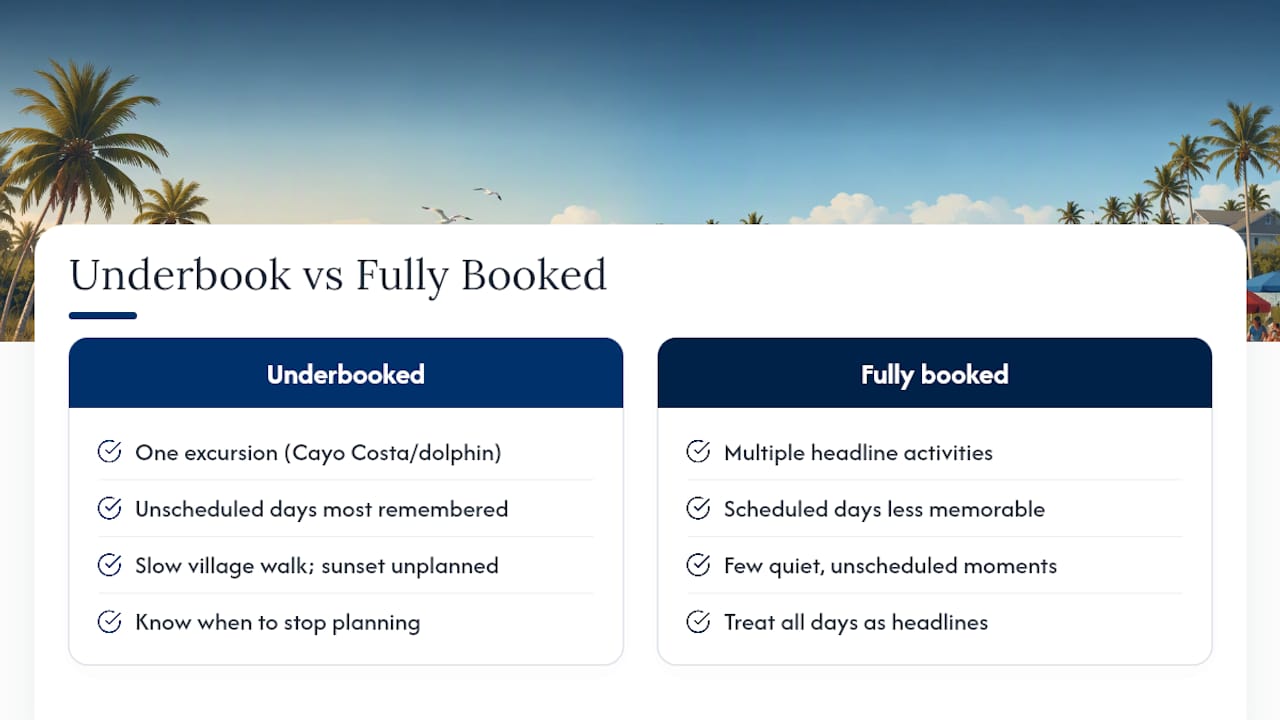
The biggest mistake I see in trip planning is treating all seven days like they need a headline activity. They don’t. Book one real excursion, the Cayo Costa trip or the dolphin cruise, and let the rest of the week breathe.
The days people remember most are usually the unscheduled ones: a slow walk into the village, a sunset with no agenda attached. A planning resource can help you build a custom version of this week, but the real skill is knowing when to stop planning.
— Josh
Book Your Week Directly With American Realty of Captiva
The itinerary above works best from the right home base, and that’s exactly what this platform specializes in: luxury beachfront and bayfront rentals built for a full week, not a weekend. Unlike a hotel room, you get a private kitchen for those grocery runs on Day 1, a pool for the slow Day 5, and often direct beach access that turns your last morning into a walk out the door instead of a drive.
With extensive local experience, the team knows which properties sit closest to shelling beaches and which bayfront homes catch the best sunset. Peak season (December through April) books out fast, so reserve your week early and confirm details like private beach paths or pool access before you commit, checking the rental platform for current availability. Ready to lock in your dates? Browse available rentals and start planning your stay.
Where to Verify Details Before You Go
For the most current event calendars, closures, and local tips, check the Sanibel-Captiva Chamber’s visitor guide before your trip. VisitFlorida’s Captiva Island page covers official seasonal guidance, and TripAdvisor’s attractions list offers a broader view of popular sites if you want to add anything to your week.
Sources
FAQ
What Is a Good 7-Day Itinerary for Captiva Island?
A solid week mixes two beach and shelling days, one boat excursion (dolphin cruise or Cayo Costa), a kayaking morning at Buck Key, a slow pool and shopping day, a Sanibel or charter day, and a relaxed final beach morning before checkout.
Which Is Nicer, Captiva or Sanibel?
Neither is objectively better. Sanibel offers more bike trails and nature preserves, while Captiva is quieter, more compact, and has a tighter village feel that suits travelers wanting a slower pace.
What Are the Must-See Things to Do on Captiva Island?
Shelling at Captiva Beach and Turner Beach, kayaking through Buck Key Preserve, a dolphin cruise or Cayo Costa day trip, and a walk through Captiva Village’s shops and galleries top most visitors’ lists.
What Famous Person Lives on Captiva Island?
Captiva has long attracted authors and artists drawn to its privacy, including the late novelist Randy Wayne White, who set much of his fiction on the island, though the island is better known for its low-key, celebrity-shy culture than for any single resident.
How Far Is Captiva Island From the Airport?
Captiva sits about 30 miles from Southwest Florida International Airport, roughly an hour by car via the Sanibel Causeway, depending on traffic and time of day.
Recommended
Comments