
What to Know About Captiva's Hurricane Season This Year

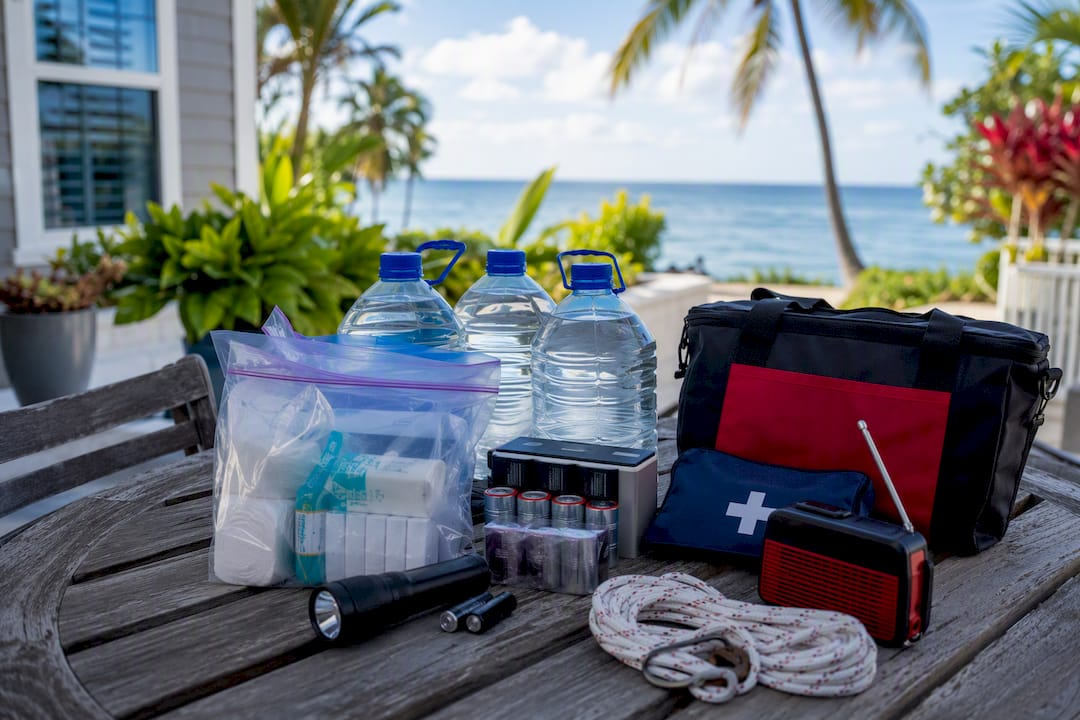
Hurricane season for Captiva runs June 1 through November 30, with peak danger stacking up from late August through October and the highest average activity in September. The island’s low-lying position and single evacuation route mean the window to act is shorter here than almost anywhere on the Florida mainland. Before you do anything else:
Confirm your hurricane reentry pass status now, not in August.
Set up alerts from NOAA and your county emergency management page.
Start building a supply kit that covers at least a week without power or store access.
Key Takeaways
Captiva’s hurricane season runs June through November, but surge risk and limited bridge access mean island-specific prep must start well before the season’s official peak.
Point | Details |
Season window | Atlantic hurricane season runs June 1 to November 30, peaking late August through October. |
Surge outranks wind | Storm surge is Captiva’s primary hazard due to its low-lying barrier-island geography. |
Reentry passes matter | Each property gets two passes; apply through Sanibel Police or hurricanepass@mysanibel.com before season starts. |
Evacuate early | Island evacuation orders typically precede mainland orders due to bridge capacity limits. |
Plan for weeks, not days | Post-storm self-sufficiency should assume 7 to 14 days minimum without power or full services. |
Table of Contents
Forecasting Captiva Hurricane Season: What the Early Outlooks Say
Colorado State University and other early forecasters publish basin-wide predictions each spring, giving rough counts of named storms and hurricanes expected across the Atlantic. One recent outlook pointed toward a somewhat below-average season, a figure that sounds reassuring until you remember it describes the whole Atlantic basin, not Captiva specifically.
These early numbers shift as the season approaches, and a “quiet” forecast has done nothing to stop a single storm from devastating a specific stretch of coastline in past years. Local weather providers like AccuWeather offer useful short-term timing for the island, but they should never replace the National Hurricane Center for watches and warnings. Treat any seasonal outlook as a planning cue to start prepping early, not a reason to skip it.
Why Captiva’s Geography Changes the Hurricane Math
Storm surge, not wind, is the hazard that does the most damage on Captiva. The island sits low, and surge from even a moderate storm can push water across roads and into ground-floor living spaces well before the worst winds arrive.
Access compounds the risk. Captiva and Sanibel connect to the mainland by a limited bridge system, which means county officials typically call evacuations for the islands earlier than for mainland neighborhoods. Waiting for a mandatory order before you move can put you in bridge traffic at the worst possible moment. Keep these two facts in mind:
Surge, not sustained wind speed, drives most property loss on barrier islands like Captiva.
Evacuation orders for Captiva tend to arrive well ahead of orders for inland Lee County.
Pro Tip: Don’t wait for a hurricane warning to leave. If a storm is tracking toward Southwest Florida and an evacuation order covers Captiva, treat it as your cue to go that same day.
Reentry Passes, Evacuation Timing, and Shelter Registration
Getting back onto the island after a major storm requires a hurricane reentry pass, and the rules are specific: each property is allowed two passes, split between a green residential pass and a red commercial pass for contractors or staff.
Apply through the Sanibel Police Department or the REC center, or email hurricanepass@mysanibel.com ahead of season, not during an active storm watch.
Expect evacuation orders for Captiva and Sanibel to precede mainland orders by a day or more, given bridge capacity limits.
If anyone in your household needs medical support during a shelter stay, register in advance through Lee County’s special-needs shelter application rather than waiting until a storm is named.
Two passes per property sounds generous until you’re coordinating a property manager, a contractor, and a family member all needing access after the same storm.
Your Captiva Hurricane Prep Checklist
Pre-season work makes the 48-hour scramble far less stressful. Handle these in the months before a storm even shows up on radar:
Register an authorized local contact with law enforcement, since absentee owners without one can be denied reentry even to their own property.
Verify your homeowner’s or renter’s insurance covers wind and flood separately, and photograph every room and the exterior for your claims file.
Service generators and test them under load, then stock at least seven days of water, food, and medication.
When a storm enters the forecast cone and landfall looks likely within 72 hours, shift into execution mode:
Fill vehicle gas tanks and refill prescriptions immediately, before lines form.
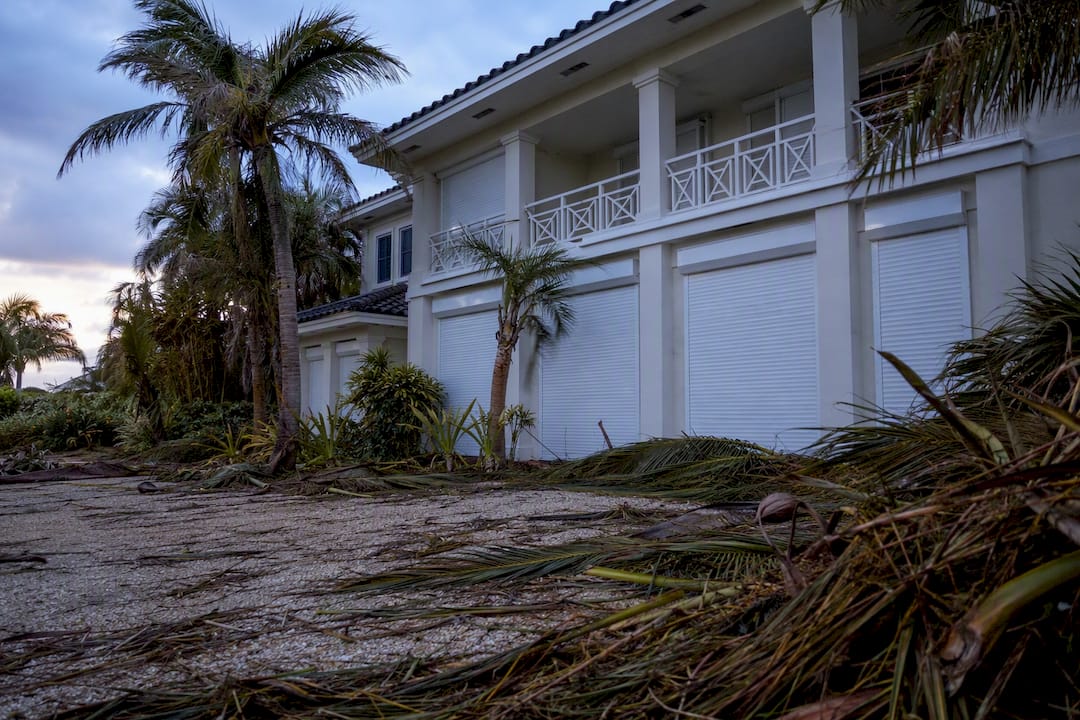
Install shutters or plywood, secure or bring in patio furniture and grills, and move vehicles to the highest available ground.
Confirm your evacuation route and destination out loud with everyone in the household, and leave before the order becomes mandatory.
Pro Tip: Keep a physical copy of your insurance policy, ID, and property photos in a waterproof bag. Cell service and cloud access often fail first, right when you need those documents most.
If you’re renting rather than owning, ask your host directly about their evacuation policy, their local emergency contact, and how reentry passes work for guests. Read the cancellation and refund terms before you book, not after a storm appears in the forecast. If you’re weighing Captiva vacation rental options during hurricane season, this is the exact conversation to have with your host before arrival.
Staying Safe During the Storm and in the Days After
Once a watch turns into a warning, stay tuned to NOAA and your county’s official channels rather than social media rumors. If you’re sheltering in place, avoid windows entirely, keep any generator running outdoors and far from doors or vents to prevent carbon monoxide buildup, and stay off flooded roads even after winds die down.
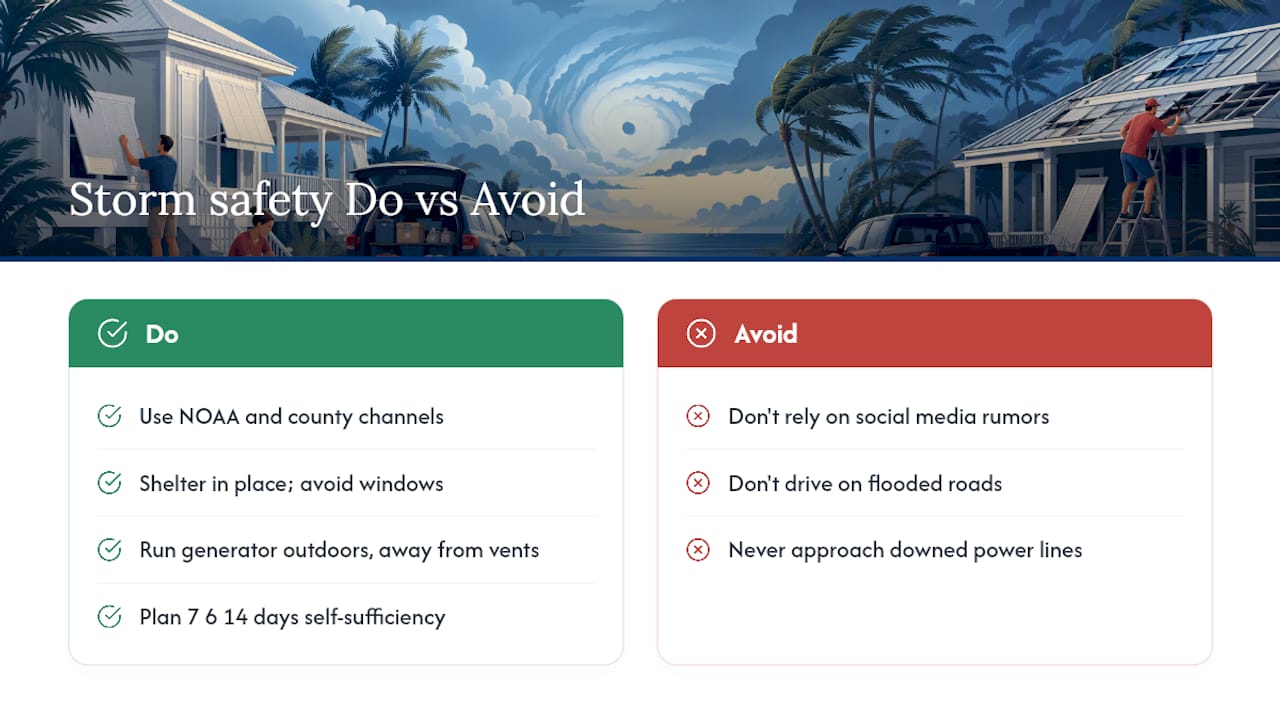
The aftermath demands its own discipline. Wait for the official all-clear before attempting to return. Property owners should plan for 7 to 14 days minimum of self-sufficiency, since power, water, and cell service on barrier islands routinely take longer to restore than on the mainland. Photograph any damage before you touch anything, contact your insurer promptly, and never approach a downed power line, regardless of how harmless it looks.
Where to Get Real Hurricane Updates for Captiva
Skip the noise and go straight to sources built for this exact situation. The National Hurricane Center issues the advisories that determine watches and warnings, and its detailed local forecast covers Captiva’s exact coordinates.
Captiva Island Fire Control District posts local preparedness updates specific to island conditions.
FISH of SanCap distributes its preparedness packet and coordinates post-storm assistance for residents.
Lee County Emergency Management issues evacuation orders and shelter openings.
Turn on push alerts for each, and check them daily once a storm enters the forecast cone.
What Renters and Owners Should Expect From a Property Manager
A well-run Captiva rental doesn’t wait for a hurricane watch to think about safety. American Realty of Captiva has managed island properties for over 30 years, and that kind of tenure means a storm plan for every property, not a generic script.
Before you book, confirm the essentials directly:
A named local contact who can be reached if a storm approaches during your stay.
Clear shuttering and securing procedures already documented for the property.
Straightforward evacuation instructions, plus guidance on reentry passes if you’re staying through a longer trip.
Insurance and documentation the property manager already has on file, so you’re not the one scrambling.
Point | Details |
Verify manager readiness | Ask about local contact, shuttering plans, and reentry pass guidance before booking. |
Confirm evacuation policy | Read cancellation and refund terms tied to storm-related evacuations before you pay. |
Book With a Team That Already Has a Storm Plan
Planning a Captiva stay during hurricane season doesn’t have to mean guessing whether your host has a plan. American Realty of Captiva builds storm readiness into how it manages beachfront and bayfront properties year-round, so guests get clear guidance instead of silence when a system starts tracking toward Southwest Florida. If you’re weighing dates for a fall visit, browse available rentals and ask directly about evacuation policy and local contacts before you book. Families wanting a private pool as a backup plan for beach-day washouts can also look at pool-equipped homes across the island.

If your evacuation plan includes moving off-island toward Fort Myers, a regional car service can be worth arranging ahead of time rather than during a mandatory order, when demand spikes fast.
Editorial Perspective: Stop Treating Basin Forecasts as Local Guidance
The biggest mistake I see in hurricane coverage is treating a basin-wide seasonal forecast as if it says something specific about Captiva. It doesn’t. A below-average outlook for named storms tells you almost nothing about whether the one storm that matters tracks toward Pine Island Sound.
What actually protects people here is boring, procedural readiness: knowing your reentry pass status before June 1, not during a cone update in September. Absentee owners are the group I’d worry about most. Registering a local contact with law enforcement sounds like paperwork until you’re the owner denied access to your own property after a storm because nobody vouched for you.
My honest take on conventional advice: most of it front-loads generic supply lists and buries the island-specific logistics, reentry passes, bridge-timing, special-needs shelter registration, deep in fine print. Fix your priority order. Handle the paperwork first. Buy the batteries second.
— Josh
Sources
Recommended
Comments