
Your Complete Captiva Packing List: Beach-Ready Checklist

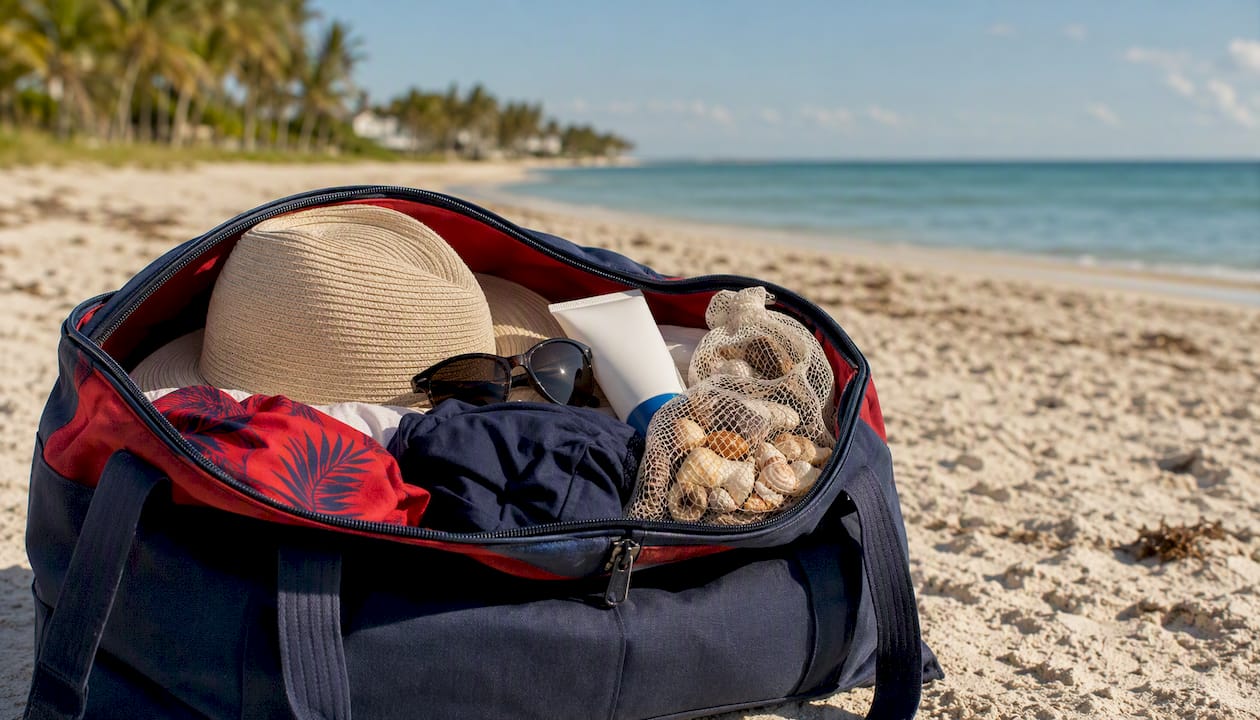
For a Captiva Island vacation, pack beach-first: reef-safe SPF 30+, water shoes, two or more swimsuits, a wide-brim hat, UV sunglasses, a mesh shelling bag, your ID and chargers, and a short grocery plan for your rental kitchen. Most Captiva vacation rentals come with stocked kitchens, washer/dryers, and basic cookware, so you can pack lighter than you think. For North Captiva, soft-sided bags are a practical necessity since ferry transfers and golf-cart travel leave little room for hard-shell luggage.
Absolute essentials at a glance:
Wallet, phone, prescription meds, and insurance card
Two or more swimsuits and a rash guard or UPF shirt
Reef-safe SPF 30+ sunscreen and SPF lip balm
Wide-brim hat and UV-protective sunglasses
Water shoes and flip-flops
Reusable water bottle
Mesh shelling bag
Charger and portable battery pack
Key Takeaways
A well-planned Captiva packing list centers on reef-safe sun protection, water shoes, soft-sided luggage, and a rental-aware grocery strategy that lets you spend more time on the beach and less time at the store.
Point | Details |
Reef-safe sunscreen is non-negotiable | Use SPF 30+ mineral formula to protect both your skin and Captiva’s nearshore ecosystem. |
Water shoes belong on every list | Shell-rich beaches make barefoot walking uncomfortable; water shoes prevent cut feet and cut-short beach days. |
Soft-sided bags for North Captiva | Ferry transfers and golf-cart travel make hard-shell luggage impractical on North Captiva. |
Check rental amenities before packing | Most Captiva homes provide kitchen gear, laundry, and basic toiletries — confirm to avoid duplicates. |
Kids need safety gear packed first | Life jackets, rash guards, swim diapers, and a pop-up shade tent are the family packing priorities. |
Bring non-perishables, buy fresh locally | Pack a first-meal bag from home and shop for fresh groceries on arrival to simplify your first evening. |
Table of Contents
Beach gear and sun protection: what to bring to enjoy Captiva’s beaches safely
Electronics and documents: what to bring and how to protect them
What to pack for your rental home and a grocery strategy for Captiva stays
Family-friendly packing: essentials for children and infants
Shelling, wildlife, and environmental rules on Captiva’s beaches
Safety, weather, and local practicalities to consider when packing
What to wear for casual dining and beachside restaurants on Captiva
Sustainable packing choices that protect Captiva’s environment
What clothing should you pack for a Captiva trip?
Captiva’s dress code is gloriously relaxed. The beach sets the tempo, and everything else follows. Quick-dry swimwear and lightweight cover-ups carry you from the sand to a casual lunch without a second thought. For evenings, one or two breezy outfits handle most restaurant situations on the island.
A practical count for a typical week-long stay includes multiple swimsuits, lightweight tops, some shorts or casual pants, a light sweater or cardigan for cooler evenings, and a nicer outfit for dinner out. Rental laundry makes it easy to rewear and refresh, so resist the urge to overpack bottoms.
Pro Tip: Choose neutral, mix-and-match pieces so every top pairs with every bottom. At least one UPF 50+ shirt or rash guard belongs in the mix for long beach days when reapplying sunscreen every two hours still isn’t enough protection.
Beach gear and sun protection: what to bring to enjoy Captiva’s beaches safely
The sun on Captiva is generous, and the shells underfoot are real. Both deserve your attention before you leave home.
Reef-safe sunscreen rated SPF 30 or higher is the non-negotiable starting point. Oxybenzone and octinoxate harm coral ecosystems, so look for mineral formulas with zinc oxide or titanium dioxide. Pair that with a wide-brim hat and sunglasses rated for UV400 protection.
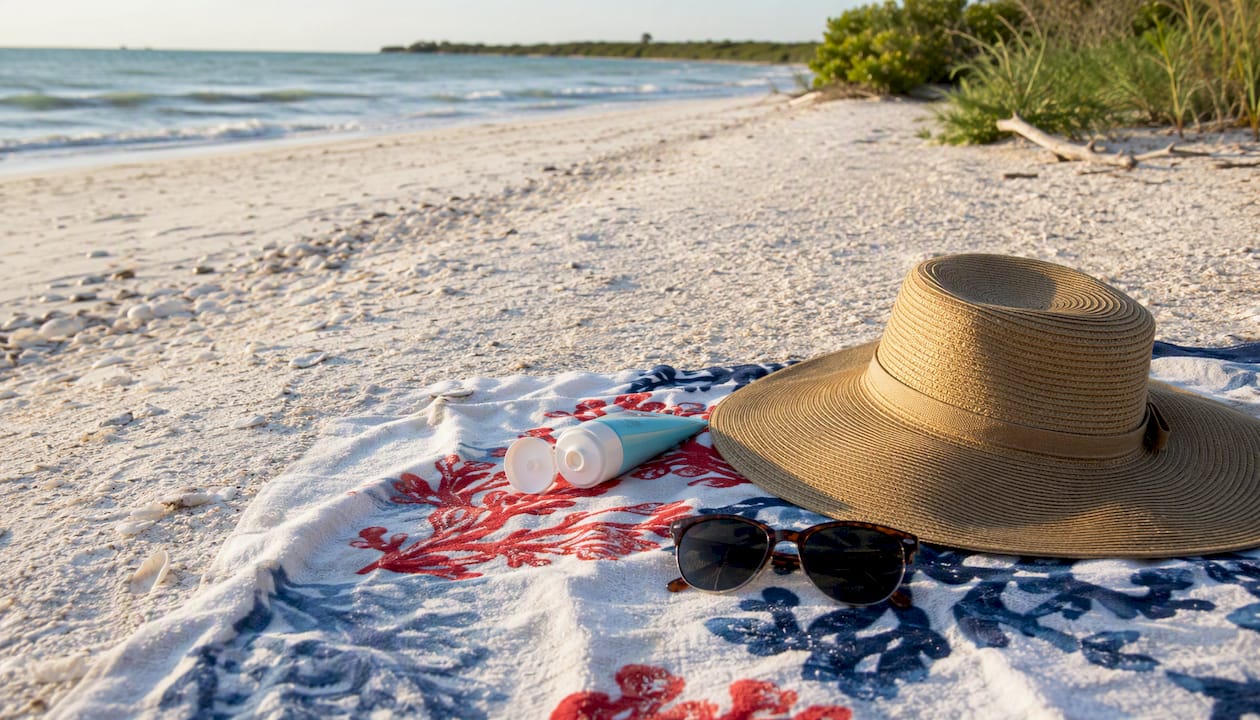
Water shoes earn their place on this list because Captiva and North Captiva beaches are famously shell-rich. Walking barefoot on a shelling beach is a quick way to end a beach day early. A mesh shelling bag keeps your finds sand-free and your hands free.
Core beach items to bring:
Reef-safe SPF 30+ sunscreen (mineral formula preferred)
Wide-brim hat and UV400 sunglasses
Large quick-dry towel or sand-free beach blanket
Water shoes for shell-rich shorelines
Reusable water bottle (stay hydrated in the Florida heat)
Mesh shelling bag
What to rent locally instead of hauling from home: Beach chairs, umbrellas, and kayaks are all available through local rental services on Captiva. Bringing your own bulky gear rarely makes sense when beach gear rentals are readily accessible on the island.
Toiletries, first aid, and insect protection to pack
Keep your toiletry kit lean. Most Captiva rentals supply basic soap and shampoo, so confirm what’s included before you duplicate. What you do want to bring yourself: your preferred toothbrush and toothpaste, travel-size personal-care items, prescription medications (with enough supply for the full trip plus a few extra days), SPF lip balm, and after-sun aloe vera gel.
A compact first-aid kit travels well in a small zip pouch: a few adhesive bandages, an antiseptic wipe or two, a pain reliever like ibuprofen, and an antihistamine for unexpected reactions to sun, insects, or new foods. Florida’s mosquito season runs roughly May through October, so insect repellent with DEET or picaridin belongs in the bag during those months.
Pro Tip: Pack your first-aid items and daily medications in a single labeled pouch. When you arrive and start unpacking, that pouch goes straight to the bathroom counter. Nothing gets buried in a suitcase.
Footwear for Captiva’s sand, streets, and light trails
Captiva doesn’t demand much from your shoe collection, but the right three pairs make every day easier.
Water shoes: Non-negotiable for shelling beaches and wading
Sandals or flip-flops: Your everyday beach-to-lunch shoe
Lightweight sneakers: Comfortable for biking the island paths or a longer walk
One casual pair: A clean sandal or loafer handles most dinner-out situations
Pack footwear that compresses or nests together. Bulky shoes eat luggage space fast, and Captiva’s casual atmosphere means you’ll rarely need anything structured.
Electronics and documents: what to bring and how to protect them
Your documents list is short but worth treating seriously. Bring your government-issued ID, health insurance card, reservation confirmation (printed and digital), and a note with emergency contacts. Store digital backups in your phone’s photos or a cloud folder before you leave.
For electronics, the essentials are your phone charger, a portable battery pack, and a waterproof phone case or dry bag. The dry bag earns its keep on boat transfers to North Captiva and on kayak outings. A GoPro or compact camera is worth the space if you plan to snorkel or capture shelling finds underwater.
Pro Tip: Pack a small “first-day pouch” with your charger, printed reservation, and ID. Keep it in your carry-on or personal bag. When you arrive and the rental manager hands you the keys, everything you need is in one place rather than buried in a checked bag.
What to pack for your rental home and a grocery strategy for Captiva stays
Understanding what your rental provides changes how you pack. Most Captiva vacation homes offer a full kitchen with cookware, a washer/dryer, and basic pantry staples like salt and cooking oil. Before you arrive, confirm the specifics with your rental manager so you’re not hauling duplicates. The Captiva Island vacation planning guide covers typical rental amenities and local supplier options worth reviewing.
For groceries, the most practical approach is to bring non-perishables from home and buy fresh items locally. A smart vacation rental grocery strategy keeps your first day smooth and your refrigerator stocked without a marathon shopping trip.
Bring from home:
Favorite spices, hot sauce, or specialty condiments
Coffee or tea (your preferred brand)
Snack bars, trail mix, or other shelf-stable snacks
Any specialty dietary items hard to find locally
Buy locally on arrival:
Fresh fruit, vegetables, and proteins for grilling
Bread, eggs, and dairy for breakfasts
Beverages and ice
Pro Tip: Pack a small “first-meal bag” with pasta, a jar of sauce, and a few pantry staples. After a long travel day, you can have dinner on the table in 20 minutes without a grocery run. Save the local shopping for the next morning when you’re rested.
Family-friendly packing: essentials for children and infants
Traveling with kids to Captiva adds a layer of planning, but it doesn’t have to mean twice the luggage. The key is focusing on safety and comfort items that you genuinely can’t improvise on arrival.
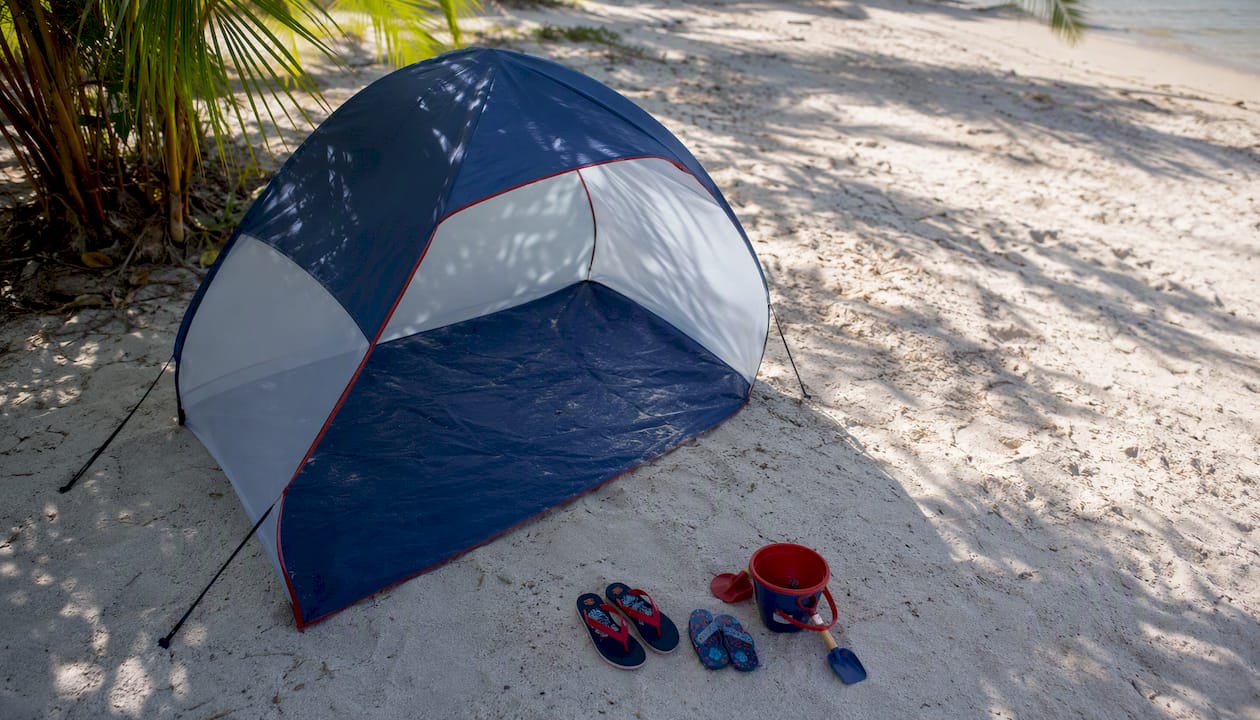
For non-swimmers, a properly fitted life jacket or personal flotation device (PFD) is not optional. Rash guards with UPF protection, swim diapers for infants, and a sun hat for every child round out the safety layer. Family beach packing guides consistently recommend wet bags for soggy swimsuits and a portable pop-up shade tent for infant naps on the beach.
Child-specific items to pack:
Life jackets or PFDs for non-swimmers (confirm sizing before you travel)
Swim diapers and extra wipes for infants
Rash guards and sun hats for every child
Wet bags for wet swimsuits and sandy gear
Extra snacks and a small cooler for beach days
One extra swimsuit per child beyond your planned count
A printable family beach checklist organized by category (sun protection, clothing, safety gear, snacks) helps you confirm nothing is missing before you leave home. The Captiva Island with Kids guide also offers local activity suggestions that may shape what you pack.
Water supervision is the most important safety practice on Captiva. Shade and rest matter too. A pop-up beach tent gives infants and toddlers a cool, shaded spot during peak sun hours (10 AM to 4 PM).
Packing strategy and space-saving tips
Two packing methods work particularly well for Captiva trips, and the right one depends on your length of stay and how you’re getting to the island.
The 5-4-3-2-1 method (5 tops, 4 bottoms, 3 shoes, 2 accessories, 1 formal piece) suits a week-long stay with laundry access. It keeps your wardrobe varied without overpacking. The 3-3-3 method (3 tops, 3 bottoms, 3 shoes) is better for shorter stays or carry-on-only travel, where every item needs to earn its place.
For North Captiva specifically, soft-sided duffels are far easier to manage than hard-shell suitcases. North Captiva travelers consistently report that ferry transfers and golf-cart transport make rigid luggage awkward. A soft duffel that squishes into a golf cart bed is worth more than a pristine hard-shell case.
Method | Pros | Cons | Best for |
5-4-3-2-1 | Variety, covers a full week | Needs checked bag | Week-long stays with laundry |
3-3-3 | Carry-on friendly, fast | Limited variety | Short stays, North Captiva ferry |
Packing cubes | Organized, easy to find items | Slight space overhead | Families, multi-stop trips |
Efficient packing steps:
Lay out everything you plan to bring, then remove one-third of it.
Roll clothing instead of folding to reduce wrinkles and save space.
Use packing cubes to separate categories (beach, evening, kids, toiletries).
Pack your first-day bag last so it’s the first thing you can access.
Place shoes in the corners of your bag and stuff socks inside them.
Packing cubes and a first-day bag consistently reduce on-arrival friction, especially when you’re eager to get to the beach within an hour of checking in.
Shelling, wildlife, and environmental rules on Captiva’s beaches
Captiva’s beaches are extraordinary partly because visitors treat them with care. The shelling etiquette is simple but worth knowing before you arrive.
Do not take:
Any shell that still contains a living creature
Sand dollars or starfish that are alive
Shells from marked protected areas
Do bring:
A mesh shelling bag (lets sand fall through, keeps shells clean)
A reusable water bottle (reduces single-use plastic on the beach)
Binoculars for wildlife watching at Ding Darling and other bird-rich areas
Pro Tip: Before visiting sensitive shelling areas or wildlife zones, check local signage for seasonal closures. Bird nesting and manatee activity can temporarily restrict access to certain beach sections, and respecting those boundaries protects the wildlife that makes Captiva special.
Safety, weather, and local practicalities to consider when packing
Captiva’s weather shapes what you pack as much as any activity does. Summer months (June through September) bring intense heat, high humidity, and afternoon thunderstorms. Hurricane season runs June 1 through November 30, and while most trips are unaffected, packing a light rain layer and keeping prescription medications in your carry-on is wise. The month-by-month weather guide helps you calibrate layers and rain gear for your specific travel dates.
Cooler evenings from November through February can surprise visitors who pack only warm-weather clothing. A light fleece or cardigan handles the temperature drop without taking much space.
Practical local notes:
Save your rental manager’s contact number before you leave home
Note the nearest urgent care location in case of minor injuries
For North Captiva, confirm ferry schedules in advance and pack soft-sided bags
A small amount of cash is useful for local vendors and tips
Last-minute essentials (sunscreen, snacks, basic toiletries) are available at local shops, but selection is limited and prices reflect the island location
What to leave at home: common overpacked items you can skip
Less is genuinely more on Captiva. The island’s pace doesn’t call for much, and most rentals cover the basics.
Heavy dress clothes or formal shoes: Captiva dining is casual. Leave the blazer at home.
Excessive shoes: Three pairs cover everything the island asks of you.
Bulky appliances: Hair dryers, irons, and coffee makers are standard in most rentals. Confirm before packing yours.
Single-use plastics: Reusable bottles and bags serve you better and protect the local environment.
Duplicate cookware or kitchen tools: Check your rental inventory first. Most fully equipped kitchens have what you need.
What to wear for casual dining and beachside restaurants on Captiva
Captiva’s restaurant scene is refreshingly unpretentious. Cover-ups, linen shorts, a clean tee, and sandals are the standard evening uniform. You won’t feel underdressed at any casual waterfront spot in that combination.
A reusable tote bag is worth packing for evenings out. It holds a light layer for air-conditioned restaurants, a reusable water bottle, and any small purchases from local shops. It also doubles as a beach bag during the day, which means one less item to pack overall.
How to pack for wildlife encounters beyond shelling
Captiva’s wildlife extends well beyond the shelling beaches. Dolphins, manatees, ospreys, and roseate spoonbills are regular sights, and a few simple items help you observe them responsibly.
Binoculars let you watch birds and marine life from a respectful distance without disturbing them. A polarized lens on your sunglasses reduces water glare and makes spotting manatees and dolphins far easier from a kayak or boat. If you plan to kayak near mangroves or wildlife corridors, keep noise low and maintain distance from any animal that changes its behavior in response to your presence.
Wildlife encounters on Captiva are best observed quietly. The animals that make this island remarkable are also protected, and keeping that protection intact is part of what makes the experience worth having.
Sustainable packing choices that protect Captiva’s environment
A sustainable Captiva packing list and a practical one are largely the same list. Reef-safe mineral sunscreen protects both your skin and the nearshore ecosystem. A reusable water bottle eliminates the need for single-use plastic on the beach. A mesh shelling bag replaces plastic bags and keeps shells cleaner. These choices also mean fewer items to buy on arrival, which saves money and reduces waste.
For a deeper look at beach packing essentials with sustainability in mind, the principles translate directly to Captiva: pack what you’ll use, choose reusable over disposable, and leave the beach exactly as you found it.
Gear for kayaking, biking, and fishing on Captiva
Captiva’s outdoor activities reward a little extra preparation. Kayaking the mangrove tunnels or paddling toward North Captiva is a highlight for many visitors. For that, a dry bag for your phone and documents is more useful than any camera case. Kayaks and paddleboards are available to rent locally, so you don’t need to bring your own.
Biking is one of the best ways to explore the island. A lightweight helmet and a small backpack or handlebar bag for water and snacks are the only additions your packing list needs. Bikes are available to rent on Captiva.
For fishing, a basic setup (rod, tackle, and a valid Florida fishing license) covers most shoreline and pier fishing. Check current Florida Fish and Wildlife regulations before you go, since rules on species and bag limits vary by season.
What the author always packs for Captiva
Every Captiva trip starts the same way for me: a soft duffel that fits overhead, two swimsuits, a mesh shelling bag, and reef-safe sunscreen in a quantity I’ve always slightly underestimated. The mesh bag is the item I’d never leave home without. It holds shells, keeps sand out, and doubles as a produce bag at the local market.
The other non-negotiable is a compact dry bag for my phone and printed reservation. On the ferry transfer to North Captiva, everything gets wet or windblown. That dry bag has saved a phone more than once.
Sources
Recommended
Comments