
48–72 Hour Pool Heat on Captiva: Ask These 5 Booking Questions

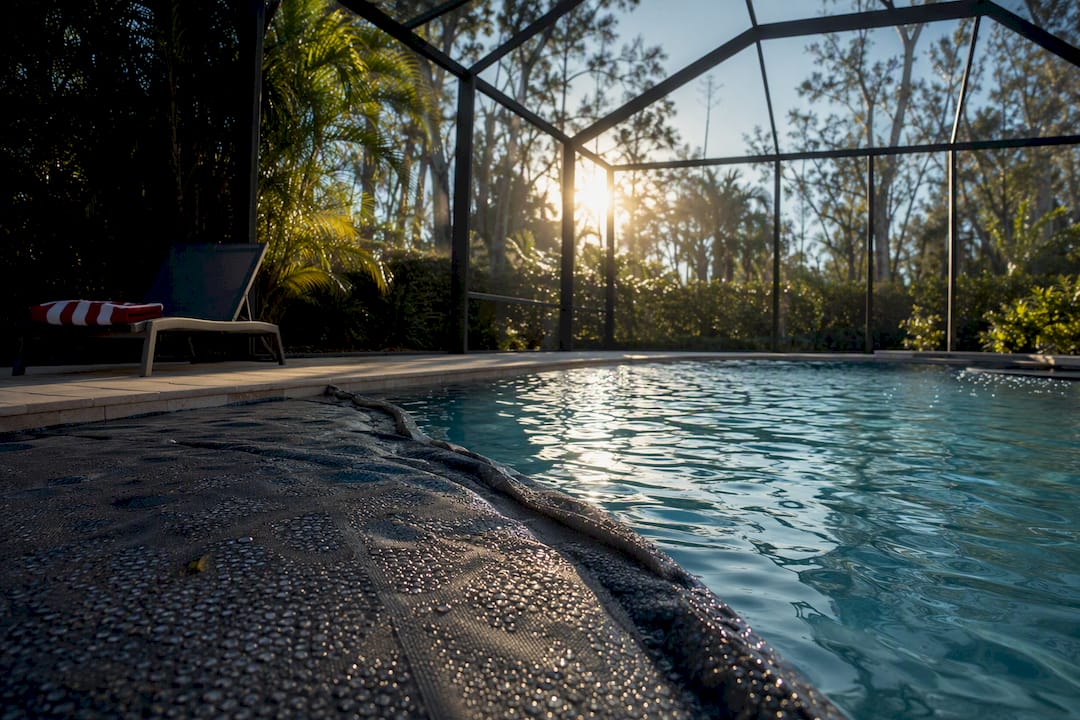
Most private vacation-rental pools on Captiva Island can be heated in winter, but it usually costs extra and needs to be requested. Heated pools commonly run 78 to 82°F, while an unheated pool in the coldest stretch of winter can sit in the low to mid 60s. Heaters also need real lead time to work, so the earlier you ask, the better your odds of a swim-ready pool on arrival day.
TL;DR:
Pool heaters on Captiva typically take 48 to 72 hours to warm the water from the low 60s to a comfortable 80°F, which can be challenging during cold fronts.
Heating costs generally range from $50 to $125 per night or $300 to $700 per week, with premiums during holidays and cold-snap periods.
Deeper pools retain heat longer, and using a cover can significantly reduce the time and cost needed to warm unheated pools.
Guests should confirm heating availability, start dates, and billing policies before booking to avoid arriving to an unheated or cold pool.
Booking homes with included pool heat or requesting it early at booking ensures a warmer pool experience during winter stays.
Table of Contents
What Winter Pool Temperatures Actually Feel Like on Captiva
The number on a thermostat and the number your body registers when you step off the lanai are two different things, and understanding that gap is the whole game here. Water in the low 60s stings for the first thirty seconds and then feels bracing rather than pleasant. Water at 78°F feels cool but comfortable for active swimming. Above 80°F, most people, including kids who run hot, call it genuinely warm.
Regional operator estimates for Southwest Florida put unheated pool temperatures on a fairly predictable seasonal curve:
November: upper 60s to low 70s, still swimmable for most adults without heat
December: mid to upper 60s, noticeably cooler in early morning
January: low to mid 60s, the coldest stretch of the year
February: mid 60s, similar to January with slightly longer daylight warming
March: upper 60s climbing to low 70s as spring returns
Heated pools on Captiva are commonly set to a target between 78 and 82°F, a range that most private vacation homes offer as an optional add-on from late fall through early spring. That 15 to 20 degree swing between heated and unheated water is exactly why so many guests decide the surcharge is worth it.
A few site factors change how warm the water actually feels beyond the thermostat setting. Wind exposure cools a pool faster than a screened or fenced yard does. Deeper pools hold heat longer overnight than shallow ones. A quality pool cover cuts overnight heat loss substantially, and for a short stay in the shoulder months, a cover alone can make an unheated pool feel warm enough without paying for full heating at all.
What Does Pool Heating Actually Cost on Captiva in Winter?
Pool heating on Captiva and across the wider Southwest Florida rental market typically follows one of three billing patterns: a flat per-night surcharge, a weekly rate, or a seasonal flat fee baked into the listing price during peak winter months.
Reported ranges from Gulf Coast rental managers put pool-heat surcharges at roughly $50 to $125 per night or $300 to $700 per week, depending on pool size and how deep into winter you’re booking.
By the Numbers: Guests who book heat for a full week rather than a few scattered nights often come out ahead, since many managers require a minimum-night commitment for heat, largely because firing up a heater for one or two nights burns through most of the operational cost before anyone gets real use out of the warm water.
A few billing patterns worth knowing before you book:
Holiday and cold-snap premiums are common. Rates for pool heat often climb during Christmas week, spring break, and any stretch when overnight lows drop hard.
Spas and hot tubs are frequently billed separately from the main pool, since they run on their own heating element and hit a different target temperature.
Setpoint caps exist for a reason. Some owners cap heated pools at a policy ceiling like 82°F to protect equipment and control energy use, so “heated” doesn’t always mean “as warm as you want.”
Pro-rata refunds are a normal courtesy, not an industry rule. Hosts commonly credit back the heating fee for any days a heater is confirmed inoperable, but you should still ask about this before you pay.
How Long Does It Take to Get a Cold Pool Swim Ready?
A pool heater is not a light switch. Raising a residential pool from the low 60s to a comfortable 80°F takes real time, and that timeline is the single biggest reason travelers get caught off guard on arrival day.
Here’s roughly how it plays out:
Most hosts start heaters 48 to 72 hours before check-in, timing the warm-up so the pool hits target temperature right around arrival rather than days early, which would waste energy.
Larger pools take longer. A big lanai pool can need 24 to 72-plus hours of continuous heating to climb through that 15 to 20 degree gap, especially overnight when ambient air temperature drops.
Cold snaps stretch that window further. When a cold front pushes overnight lows into the 40s, heaters can run continuously and still struggle to reach or hold the target setpoint, simply because heat is escaping faster than the equipment can replace it.
That timing gap is exactly why “can you turn on the heat for tomorrow” almost never works the way guests hope.
Pro Tip: Request pool heat at the time of booking, not the week before your trip. Ask the owner or manager to confirm the exact start date in writing, then plan your arrival day expecting the pool to still be climbing toward its target rather than fully warm the moment you walk in.
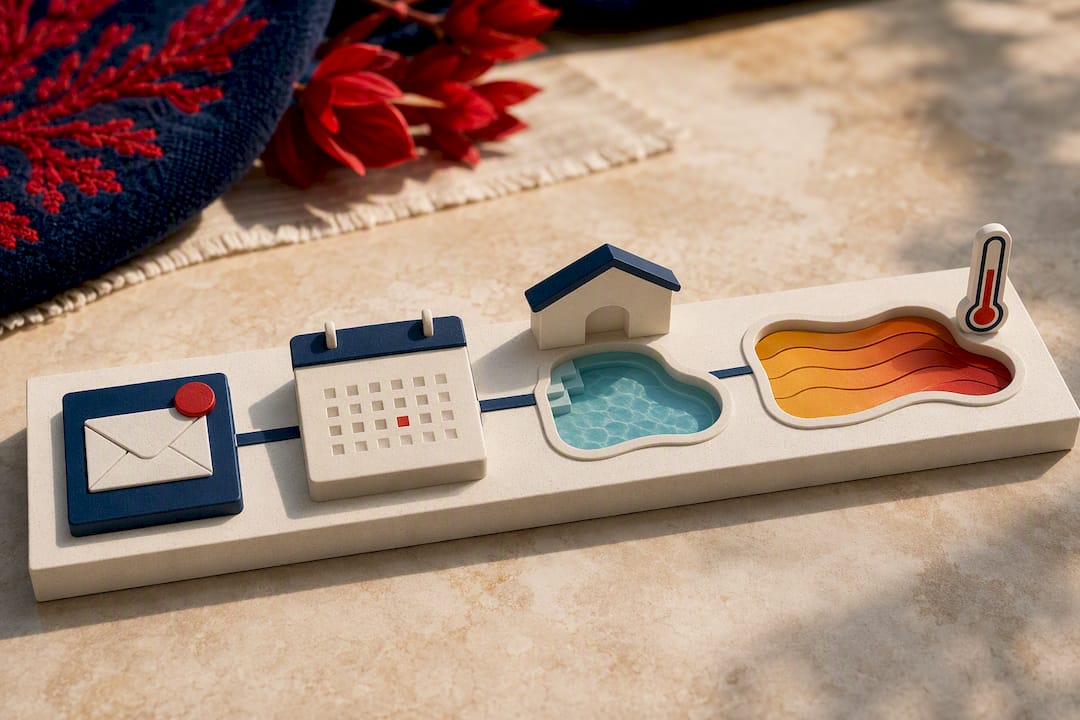
Booking Checklist: What to Confirm Before You Pay for Heat
A little diligence at booking saves a lot of frustration on a cold January afternoon standing next to a pool that never got the memo. Before you pay for pool heating on Captiva, get clear answers on the following:
Is heating available for your specific travel dates, or only during certain months?
Is heat included in the rate, or is it a separate paid add-on with its own fee?
What’s the nightly or weekly rate, and is there a minimum-night requirement?
What’s the target setpoint, and is the spa or hot tub billed and heated separately?
What happens, cost-wise, if the heater fails partway through your stay?
What to check | Why it matters |
Written confirmation of “heat included” or “paid add-on” | Avoids a surprise charge or a surprise cold pool |
Confirmed heat start date | Aligns warm-up time with your actual arrival |
Refund or pro-rata policy | Protects you if equipment fails mid-stay |
Setpoint and spa billing detail | Sets realistic temperature expectations |
If you arrive and the pool is still cold, contact the property manager immediately, note the date and time, and ask for the heater start log if one exists. A prompt, documented request is what turns a frustrating situation into a fast refund or credit.
Our Take on Booking Pool Heat for a Captiva Trip
After more than 30 years of booking homes on this island, we’ve learned that pool heat complaints almost always trace back to timing, not equipment failure. A guest asks for heat two days before arrival, the pool never quite gets there, and the whole trip feels off from day one. The fix isn’t a better heater. It’s asking earlier.
If you’re booking a short winter stay, three or four nights where every pool day counts, look for homes with pools that already include heat rather than treating it as an afterthought add-on. For longer winter stays, request heat at booking and get the start date in writing; guests staying a week or more consistently tell us the weekly heating rate feels like fair value once they’ve had four or five warm-water days out of seven. Our own pool heating cost breakdown walks through real numbers if you want to budget before you call.
— Josh
Book a Captiva Home With Pool Heat Already Sorted Out
The website gives you a direct way to see which homes offer pool heating before you ever pick up the phone. Instead of emailing a dozen listings to ask “is the pool heated,” you can filter straight to properties built for it.
Search our homes with private pools collection to see heating availability by property, or browse all Captiva rentals if beachfront access or bay views matter more than pool heat alone. When you book, add your pool-heat request directly to the reservation notes and ask the manager to confirm the start date in writing, the same lead time discussed above applies here too. For a full cost breakdown before you commit, our pool heating budget guide lays out real pricing by season. And if you’re still weighing what kind of holiday home fits your group best, this holiday home selection guide is a useful outside read on the tradeoffs. Ready to lock in your dates? Search availability now and request pool heat before you pay a deposit, not after.
Sources
Recommended
Comments