
Red Tide on Captiva: Live FWC, NOAA, SCCF Alerts and Rental Tips

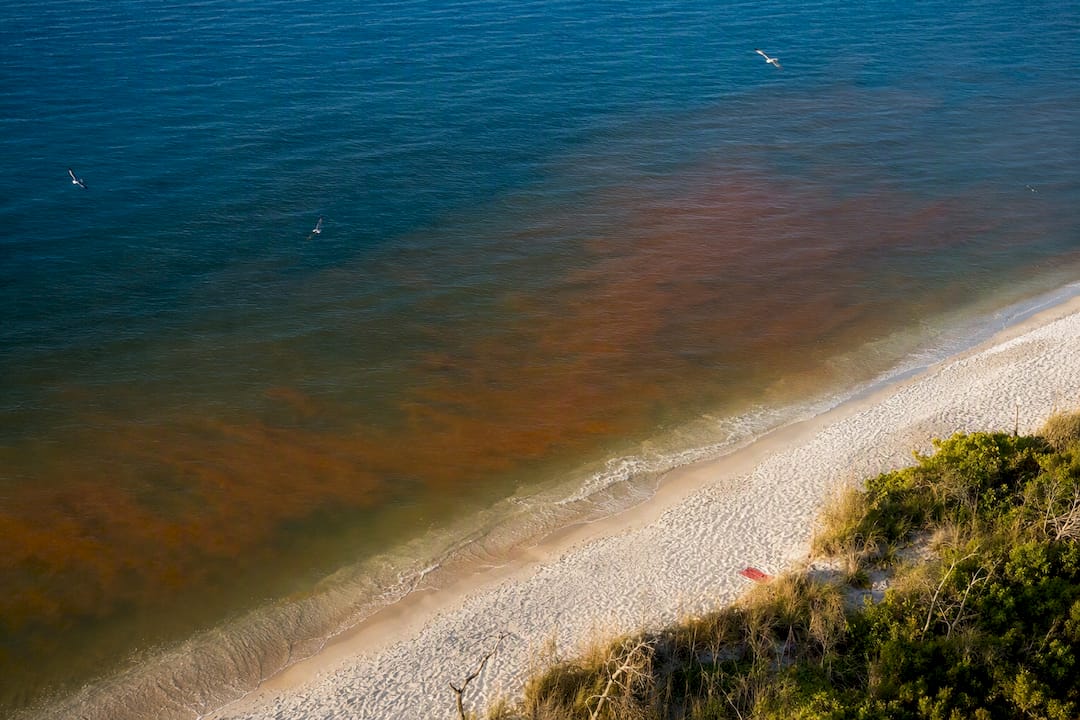
Red tide status on Captiva changes week to week and sometimes day to day, so there is no single year-round answer. Right now, the most reliable move is to check live sources before you swim: the FWC daily sample map and hotline at 866-300-9399, plus Protecting Florida Together for county alerts. If either flags Lee County waters, skip swimming and wading until conditions clear.
TL;DR:
Red tide cell counts typically cause health effects to become likely at concentrations of about 10,000 cells per liter, with impacts on wildlife seen at similar levels.
Checking the FWC sample map, hotline, NOAA forecasts, and county alerts daily is essential before planning beach activities during bloom periods.
Onshore winds and calm surf increase the risk of brevetoxin-laden water affecting beaches, even if offshore readings indicate low or no bloom.
Brevetoxins mainly irritate respiratory systems, especially in windy conditions, requiring visitors with respiratory issues to exercise caution or avoid affected waters.
If red tide is active, shifting to bayfront accommodations with good air filtration, or planning indoor activities, can improve the comfort of your visit.
Table of Contents
Current Red Tide Conditions and Forecast for Captiva
Captiva sits inside Lee County, one of the areas the state samples most closely because of its history with Karenia brevis blooms. The Florida Fish and Wildlife Conservation Commission updates its statewide sample map daily around 5 p.m., showing the previous eight days of results by location, so a “no bloom detected” reading from ten days ago tells you almost nothing useful today.
Cell counts drive everything. The Sanibel-Captiva Conservation Foundation has found that shoreline concentrations near Captiva can run higher than offshore regional summaries suggest, because blooms patch unevenly and local sampling catches what broader surveys miss. Impacts to people and wildlife typically become likely at concentrations of about 10,000 cells per liter, though effects can start showing up well before that threshold.
Forecasting adds another layer. NOAA’s NCCOS Gulf Coast HAB Forecast combines satellite imagery with model data to flag where blooms might intensify over the next few days, and trajectory tools from the University of South Florida’s Ocean Circulation Group track how offshore patches drift. Wind direction matters more than most visitors expect: onshore breezes and calm surf can pin brevetoxin-laden water against the beach even when an offshore reading looked clean the day before.
Before heading to the sand, run through this quick check:
Pull up the FWC sample map for the most recent Lee County dots.
Call the statewide hotline (866-300-9399) for a recorded summary.
Check NOAA’s forecast page for the next 48 to 72 hours.
Subscribe to Protecting Florida Together alerts for real-time county notices.
Health Risks and Beach Safety Steps for Captiva Visitors
Brevetoxins released by red tide irritate the respiratory system, especially in a stiff onshore wind. Coughing, watery eyes, and a scratchy throat are the most common complaints, and they tend to hit harder for people with asthma or other chronic respiratory conditions, along with young children and older adults.
Pro Tip: If your eyes start watering the moment you step onto the sand, that is often your first sign of red tide irritation, even before you smell anything unusual.
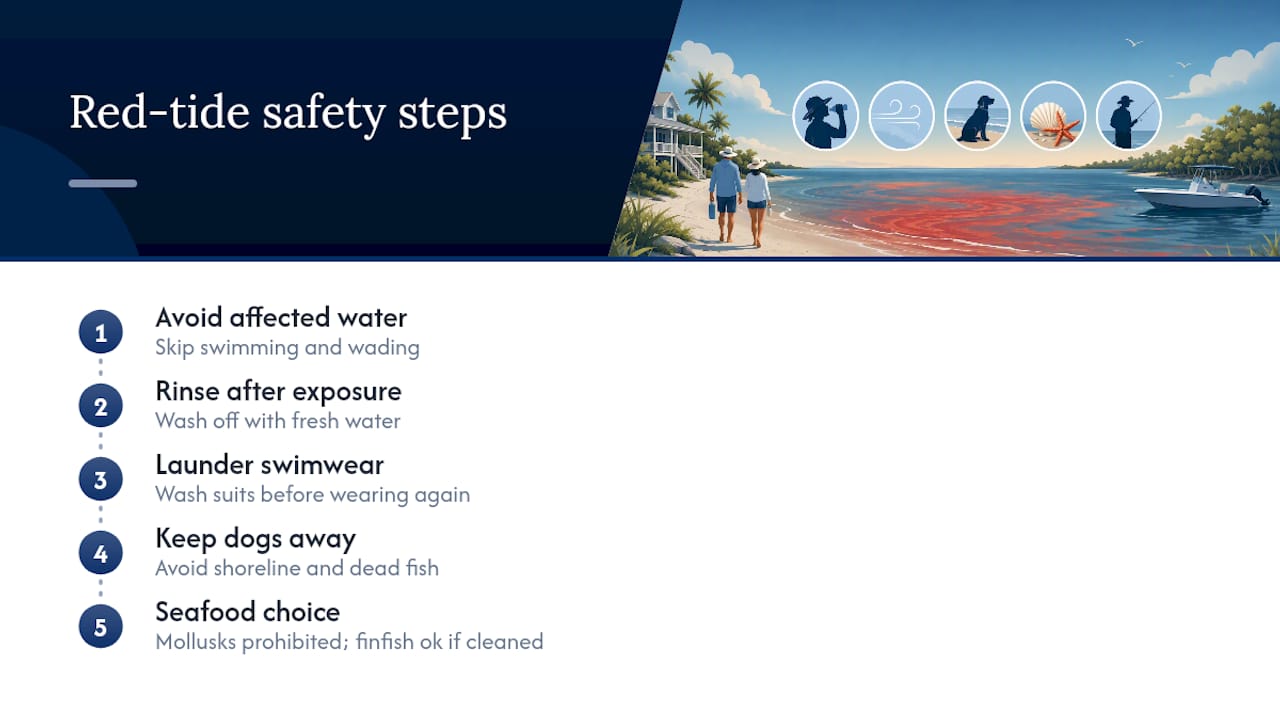
The Florida Department of Health advises skipping swimming and wading entirely in affected waters. If you or your kids do get exposed, wash off with fresh water and launder your suit before wearing it again. Keep dogs away from the waterline and from any dead fish washed ashore, since sniffing or licking contaminated debris can make pets sick too.
Statistic to know: effects on people and wildlife tend to become likely once cell concentrations reach roughly 10,000 cells per liter, a benchmark local labs used to judge real-world risk rather than just presence or absence.
Seafood rules matter too. The Florida Department of Agriculture and Consumer Services prohibits harvesting molluscan shellfish, like clams and oysters, from waters under a red tide advisory. Finfish caught in affected areas are generally considered safe if cleaned properly, since toxins concentrate in the gut rather than the muscle tissue, but when in doubt, skip the catch and buy from a market instead. For families weighing whether the water is worth it at all, our full breakdown of Captiva’s water safety is worth a read before you pack.
What Red Tide Does to Wildlife Near Captiva
Fish kills are the most visible sign of a bloom taking hold, with dead mullet, pinfish, and catfish sometimes washing up along the shoreline overnight. Sea turtles and manatees can also show signs of distress, from disorientation to labored breathing, when brevetoxin exposure builds up in their systems.
Never touch or attempt to move a stranded or struggling animal. Instead:
Report distressed marine life to FWC’s wildlife alert line rather than handling it yourself.
Note the location and time you spotted the animal for responders.
Keep pets and children away from carcasses on the sand.
Check SCCF’s public updates for context on whether current strandings tie back to an active bloom.
How to Read Cell Counts and Check Captiva’s Status Yourself
Cell count categories give you a rough translation of lab numbers into real-world risk. Background levels sit below 1,000 cells per liter and usually mean no noticeable effects. Once counts climb toward 5,000 cells per liter, shellfish harvesting closures can kick in even before swimmers notice anything. At the roughly 10,000 cells per liter mark, respiratory irritation and wildlife stress become likely. Higher concentrations bring visible discoloration in some cases, though red tide can also stay colorless, so water color alone is not a reliable safety signal.
Here is a simple morning routine before you commit to a beach day:
Open the FWC sample map and click the dots nearest Captiva and Sanibel.
Call the statewide hotline at 866-300-9399 for the recorded update.
Check NOAA’s forecast page for wind-driven intensification over the next couple of days.
Scan SCCF’s latest sampling posts for shoreline-specific findings.
Confirm you are subscribed to Protecting Florida Together for push alerts.
Adjusting Your Captiva Trip During a Bloom
A red tide advisory does not have to sink your vacation. Bayfront homes on the east side of the island often stay comfortable even when Gulf-facing beaches get irritating, since the wind carrying bloom-affected air usually blows from the water inland rather than the reverse. Booking a stay with strong air conditioning and well-sealed windows and doors gives everyone an easy retreat if outdoor air turns scratchy.
Ask your rental about central air filtration before you book.
Plan a shelling walk instead of a swim. Our Captiva shelling guide covers spots that stay enjoyable even during advisories.
Check wind direction each morning; onshore breezes are the biggest red flag.
Keep a backup itinerary using our vacation planning guide for indoor and inland alternatives.
Pro Tip: Request a property with a screened lanai. It lets you enjoy the outdoors without direct air exposure on breezy, bloom-affected days.
A Local’s View on Living With Occasional Blooms
Longtime islanders check the FWC map the way others check the weather app, then decide where to spend the morning. If you copy one habit, copy that: check the map, call your rental host for a same-day read, and pack a light jacket for wind. It rarely ruins a trip. It just changes the plan.
— Josh
Flexible Captiva Rentals When Conditions Shift
Guests can switch from a Gulf-facing stay to a quiet bayfront retreat without losing reservation flexibility, all through a direct booking platform. An experienced local team can provide guidance on shoreline areas that tend to stay calmer during a bloom and recommend homes with air filtration, screened lanais, and indoor amenities.

If red tide is active during your travel dates, ask our reservations team about bayfront homes as a comfortable alternative to a beachfront stay. Travelers flying in privately can also check available empty-leg routes into Fort Myers for last-minute flexibility. Browse all current Captiva rentals and book directly, or call our team to talk through the best property for your dates.
This article is general information, not a substitute for advice from a qualified doctor. Consult a qualified healthcare professional about your own circumstances before acting on anything here.
Sources
Recommended
Comments