
Sanibel Sundays: Farmers Market (Oct to May), Parking & Half Day Plan

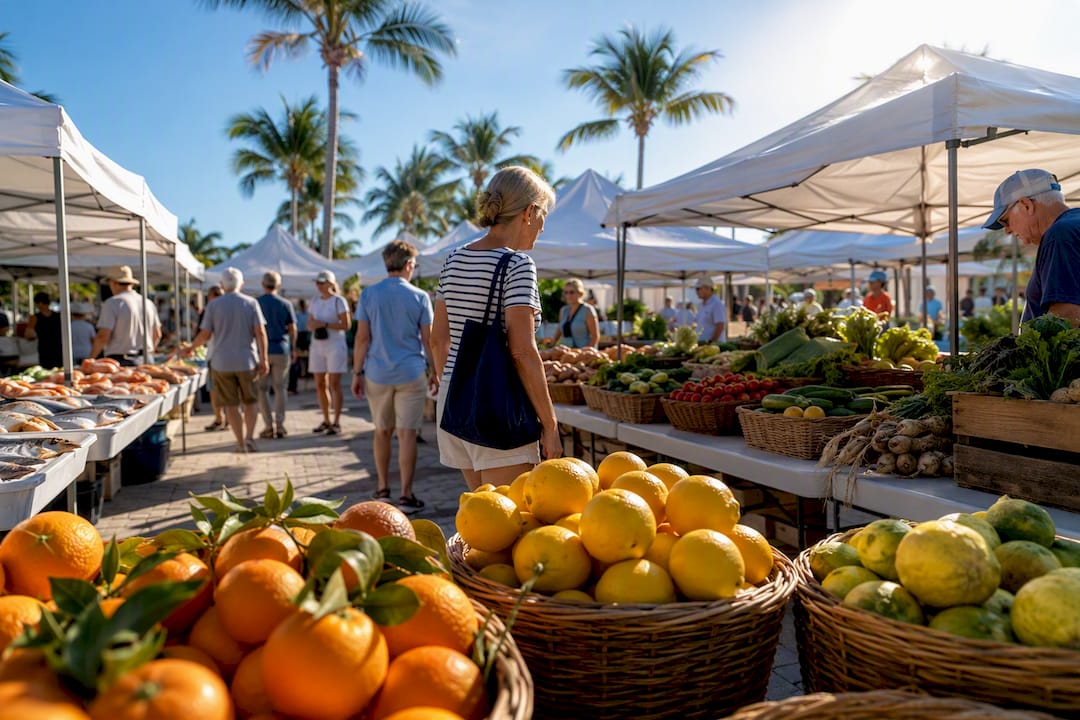
The Sanibel Island Farmers Market runs every Sunday from October through May, typically from 9:00 a.m. to 1:00 p.m., in the Sanibel City Hall parking lot. Roughly 50 vendors sell fresh produce, seafood, honey, baked goods, and island crafts, and the atmosphere feels closer to a neighborhood gathering than a tourist stop. If you are visiting Sanibel on a Sunday morning, this market deserves a spot on your itinerary.
TL;DR:
The market has grown from 15 to about 50 vendors since 2008, with fresh produce, seafood, and local crafts being the main offerings.
It operates only on Sundays from 9:00 a.m. to 1:00 p.m. during October to May, with holiday adjustments requiring prior confirmation.
Parking is limited at City Hall during peak season, so biking or ride-hail are often the best options for easier access.
Arriving between 9:00 and 9:30 a.m. maximizes chances of finding popular seafood, baked goods, and produce before they sell out.
The market’s resilience through hurricanes and off-season lulls reflects its importance as a local community gathering and year-round resource.
Table of Contents
Sanibel farmers market guide: season, schedule, and organizers
The market follows a strict seasonal calendar tied to Southwest Florida’s snowbird season. It opens in October, right as the summer heat breaks and seasonal residents start trickling back, and runs weekly through May, when the island empties out for the hottest months.
Sundays are the only day the market operates, and the typical window runs from 9:00 a.m. to 1:00 p.m., though some vendors pack up earlier once they sell out of their best items. Holiday weekends occasionally shift the schedule, so a quick check before you drive over is worth the thirty seconds it takes.
Local organizers, working alongside Sanibel and Captiva chamber announcements, coordinate vendor lineups and manage the lot each week. That structure matters more than it sounds. It is why the market has survived hurricanes, off-season lulls, and the general churn that kills a lot of small-town markets within a few years.
Here is what to lock into your calendar:
Season: October through May, closed during the summer off-season
Day: Sundays only, every week during the active season
Hours: Generally 9:00 a.m. to 1:00 p.m., though arriving by mid-morning is smart
Location: Sanibel City Hall parking lot, 800 Dunlop Road
Cost: Free admission for shoppers
Because hours can shift around holidays or weather events, treat the 9 to 1 window as your planning baseline and confirm current details the week of your visit.
What to expect: vendors, food, and the market’s growth
The market started small in 2008 with about 15 vendors and has grown into a roster of roughly 50 sellers on a typical Sunday. That growth trajectory tells you something: this is not a novelty pop-up for tourists. It is a working market that locals rely on for their weekly groceries, which is exactly why the produce and seafood tend to be fresher than what you will find in a beachside gift shop.
Expect a mix that covers most of what a coastal Florida market should offer:
Fresh produce, including tomatoes, citrus, and seasonal greens from regional growers
Local seafood, often shrimp and fish caught close to the Gulf
Raw honey and bee products from Florida apiaries
Baked goods, from sourdough loaves to key lime treats
Prepared foods you can eat on the spot, like empanadas or breakfast sandwiches
Artisan crafts, jewelry, and small-batch goods from island and mainland makers
Plants and cut flowers, popular with vacation renters decorating a rental kitchen for the week
Booth lineups rotate somewhat by season, so the exact vendor list you see in November may look different by March. That is part of the charm. A vendor selling strawberries one month might swap in mangoes the next, depending on what is actually ripe. If you are the kind of shopper who likes trying something new each visit, this rotation works in your favor rather than against it.
Getting there: parking, biking, and easing the peak-season crunch
Parking is the one logistical detail that trips up first-time visitors, mostly because Sanibel City Hall’s lot fills up faster than people expect during the busiest months.
Sanibel City Hall lot is the primary parking area and sits closest to the market itself.
Sanibel Public Library offers overflow parking within an easy walk.
BIG ARTS and the Schoolhouse Theater provide additional nearby lots when City Hall fills.
Bike parking is available on-site, and Sanibel’s paved bike path network makes cycling in from a nearby rental one of the easiest ways to skip the parking hunt entirely.
Handicap parking is designated at City Hall for visitors who need closer access.
Ride-hail or taxi drop-off works well during February and March, when lots fill quickly and a car-free arrival saves real time.
If you are staying anywhere within a couple of miles, the bike path is genuinely the better call during peak season. You avoid circling for a spot, and Sanibel’s flat terrain makes for an easy ride even with a canvas tote full of produce on the handlebars.
Practical tips for a smoother market visit
Timing is everything here. Multiple local visitor guides recommend arriving between 9:00 and 9:30 a.m., because the most popular seafood, baked goods, and produce routinely sell out by 11:00 a.m. Show up at noon expecting a full selection and you may find empty tables where the shrimp used to be.
A few habits will make your visit run smoother:
Carry small bills. Card readers can lose signal in the island’s spotty cell coverage, and cash speeds up lines while helping vendors dodge transaction fees.
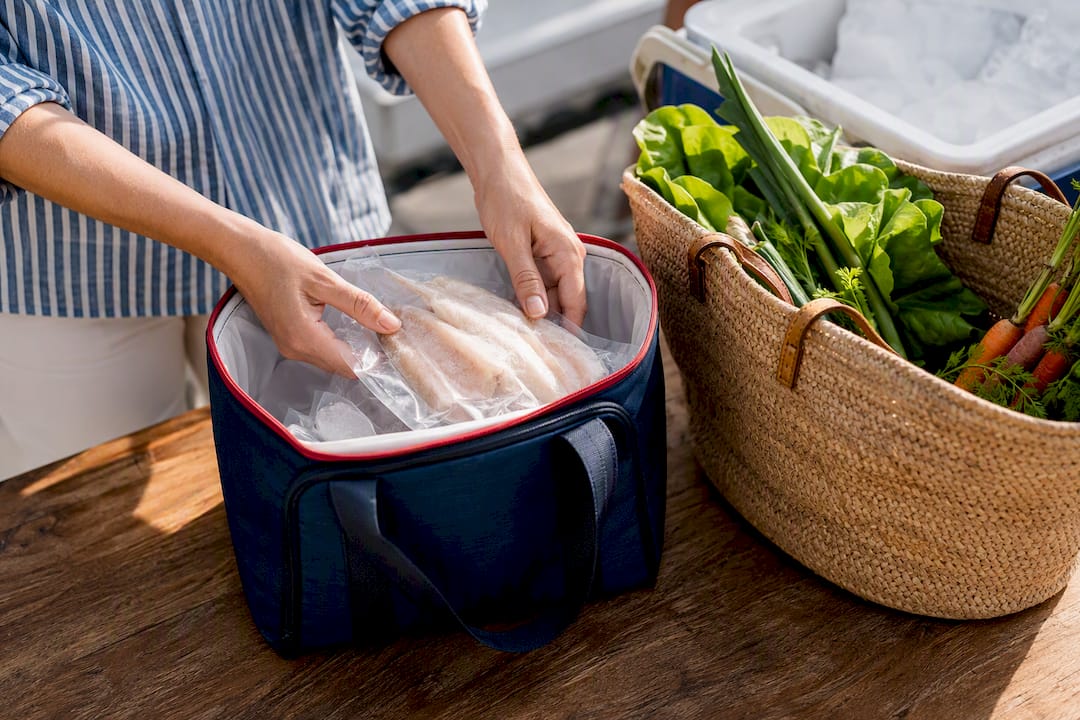
Bring reusable bags and a small cooler if you are buying seafood, since Florida heat does perishables no favors on the walk back to the car.
Sample politely, one small taste at a time, and ask the vendor before grabbing anything.
Ask vendors directly for local tips. They know which beaches are quiet that week and which restaurants just got a new catch in.
Fresh seafood needs a cold ride home. If you are not eating it within a couple of hours, get it into a cooler with ice immediately and refrigerate it the moment you are back at your rental.
Pro Tip: Bring a small insulated bag specifically for seafood purchases, separate from your produce tote. It keeps fish smell away from your strawberries and buys you an extra hour of freshness if you are heading straight to the beach after shopping.
Accessibility, pets, and market etiquette
Handicap parking is available directly at Sanibel City Hall, making the closest spots reasonably accessible for visitors with mobility needs. The market grounds themselves are flat pavement, which helps with wheelchairs and strollers alike.
Service animals are permitted under standard ADA guidelines. For regular pets, market manners guidance asks owners to keep dogs leashed and well controlled around the crowded booths, since a market packed with produce boxes and Gabby toddlers is not the place for an off-leash moment.
One rule worth knowing before you head to the beach afterward: Lee County protects live shells, meaning you can keep an empty shell but must leave any shell with a living creature inside exactly where you found it.
Nearby attractions and a sample half-day itinerary
Sanibel earned its reputation as one of the best florida shelling beaches thanks to its unusual east-west orientation, which causes the Gulf to deposit shells directly onto its shores instead of sweeping them past like most Florida coastlines. Pairing a market morning with an afternoon of shelling captiva island or shelling on Sanibel itself makes for one of the more satisfying beach days on the Gulf Coast, and our shelling guide breaks down exactly where the best hauls turn up.
A workable half-day plan looks like this:
9:00 to 10:30 a.m.: Shop the market, grab a prepared breakfast item, and pick up produce for later in the week.
10:30 to 11:00 a.m.: Walk or bike toward the beach, stopping for coffee at one of the small cafés near City Hall.
11:00 a.m. to 1:00 p.m.: Head to Bowman’s Beach or the Sanibel Lighthouse beach for shelling, since low tide midday often exposes the best finds.
Afternoon: Rinse off, relax, and consider a short drive to explore where to go shelling in florida beyond Sanibel if you are staying multiple days.
If you want to extend the day further, our things to do on Captiva roundup covers activities that pair naturally with a Sanibel morning.
Special events and themed market days
Beyond the standard Sunday lineup, the market occasionally hosts themed dates tied to holidays or seasonal milestones, like a kickoff celebration marking the start of a new season each October. These themed dates sometimes bring extra vendors, live music, or chamber-organized promotions that draw bigger crowds than a typical Sunday.
The market’s return following Hurricane Ian became something of an event in itself. Local coverage of the market’s reopening highlighted how vendors and organizers treated the relaunch as a community milestone, not just a business reopening. If you happen to visit during an anniversary week or a chamber-promoted event, expect a livelier crowd and possibly a few vendors who only show up for special dates.
Because these themed days are not on a fixed annual schedule, checking chamber announcements or local event pages the week before your trip is the most reliable way to catch one. A regular Sunday visit is still worthwhile even without a themed event attached, but if your travel dates happen to line up with one, it is worth building your morning around it.
Sustainability and community practices at the market
The market’s environmental footprint is smaller than you might expect from an event pulling in Sunday crowds for eight months straight. Many vendors donate unsold goods at the end of the day to local food pantry partners, including FISH of Sanibel-Captiva, which cuts down on food waste while directly supporting island families who need it.
Bringing your own reusable bags, something the market actively encourages, keeps plastic out of circulation in an ecosystem that already deals with enough runoff and litter pressure from tourism. Buying seafood and produce sourced regionally also trims the transportation footprint compared to grocery store goods trucked in from out of state.
None of this is heavily marketed or plastered on signage. It shows up more in how vendors talk about their goods, in the small pantry donation bins near the exit, and in the simple fact that a market this size has run for nearly two decades without needing to overhaul its basic model.
The market’s roots: how a small Sunday gathering grew up
The Sanibel Island Farmers Market opened in 2008 with a modest lineup of about 15 vendors. It has since grown to roughly 50, a threefold expansion that reflects both the island’s rising popularity and a genuine local appetite for a weekly gathering spot.
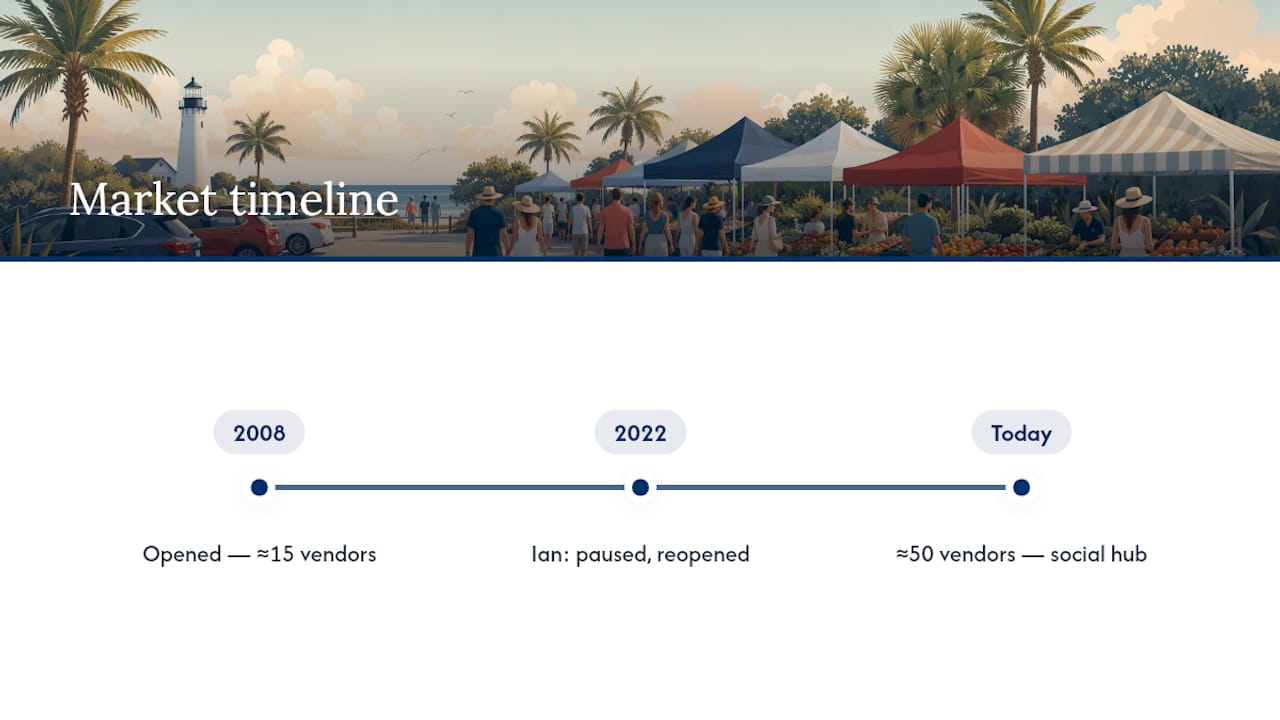
That growth was not a straight line. Hurricane Ian tested the market’s survival in 2022, and its return afterward became a point of local pride, covered by regional news as proof that Sanibel’s small businesses were rebuilding. The market functions as much as a social institution as a commercial one, a place where year-round residents catch up with seasonal snowbirds who just flew back in for the winter.
Nearly two decades of continuous Sunday mornings, interrupted only by hurricane seasons and a pandemic, says something about how deeply this market is woven into island life. It has outlasted plenty of Florida pop-up markets that came and went within a few seasons.
How to pick the best produce and vendor specialties
Buying well at a farmers market is different from grocery shopping, and a few habits separate a good haul from a disappointing one. Look for produce that still has a little dirt on it or slightly uneven shapes. That is usually a sign it was picked recently rather than sitting in cold storage.
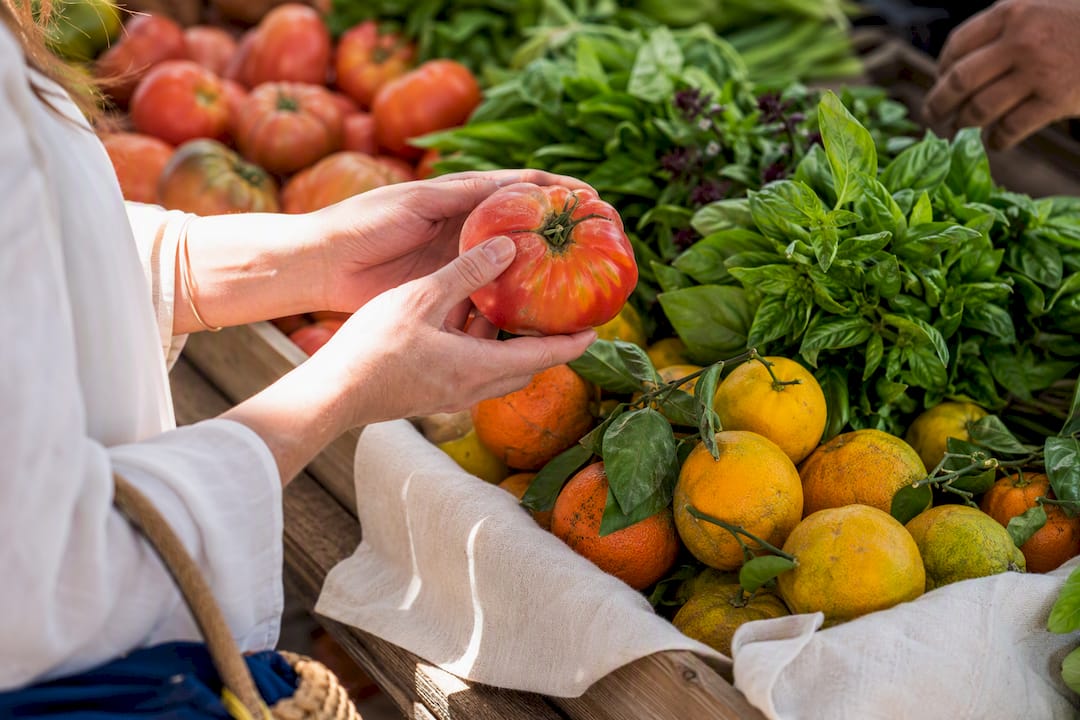
Ask each vendor what came in that morning versus what has been sitting since the previous week. Most sellers will tell you straight, and it is the fastest way to identify the freshest citrus, tomatoes, or greens on the table. For seafood, ask what was caught locally that morning rather than assuming everything on ice is equally fresh.
Specialty vendors are worth seeking out deliberately. A booth that only does raw honey or one that specializes in a single baked good, like sourdough, tends to put more care into that one product than a general table trying to cover everything. If you are shopping for a rental kitchen, buying smaller quantities from three or four specialty vendors usually beats loading up at one general produce stand, since you end up with more variety without overbuying anything that will spoil before you can eat it. Seasonal produce guides on sites like Wild Foodz can help you plan meals around whatever is actually in season during your visit.
Why this market matters to a Sanibel trip
A market this size, with vendors who have weathered hurricanes and stuck around anyway, tells you more about a place than any brochure does. The lineup shifts season to season, but the continuity behind it, the same faces returning year after year, is what gives it staying power over novelty pop-ups elsewhere in Florida. For visitors weighing where to spend a Sunday morning, that resilience is the real draw, not just the produce.
— Josh
Where to stay for easy access to the Sanibel market
Captiva-island is the alternative to hunting for a hotel room during peak market season. A beachfront or bayfront home just a short drive from Sanibel gives you a full kitchen to unload your market haul into, private outdoor space to enjoy your seafood dinner, and the flexibility to make a Sunday market run part of a longer island stay instead of a rushed day trip.
Families and couples visiting for the shelling and the market tend to appreciate having a private pool and a screened lanai to come back to after a morning of sun and sand. Browse beachfront vacation rentals if oceanfront views are the priority, or check bayfront homes for a quieter setting with easy water access. Either way, booking early during the October through May season matters, since this is exactly when the market runs and when Captiva fills up fastest. Check availability on current rental listings and build your Sanibel market morning into a full island stay.
Where to verify current market details
Market hours, parking rules, and special dates can shift, so confirm details close to your visit:
Sanibel and Captiva Chamber announcements for schedule and event updates
City of Sanibel official pages for parking and closure notices
Local visitor guides like the Sand Dollar Boat Tours shelling guide for beach conditions
Our own Sanibel vs. Captiva planning guide for lodging decisions
Sources
Recommended
Comments