
Plan Captiva Island Snorkeling: Shore, Charter, and Rental Picks
- Josh Wheeler
- 24 hours ago
- 8 min read

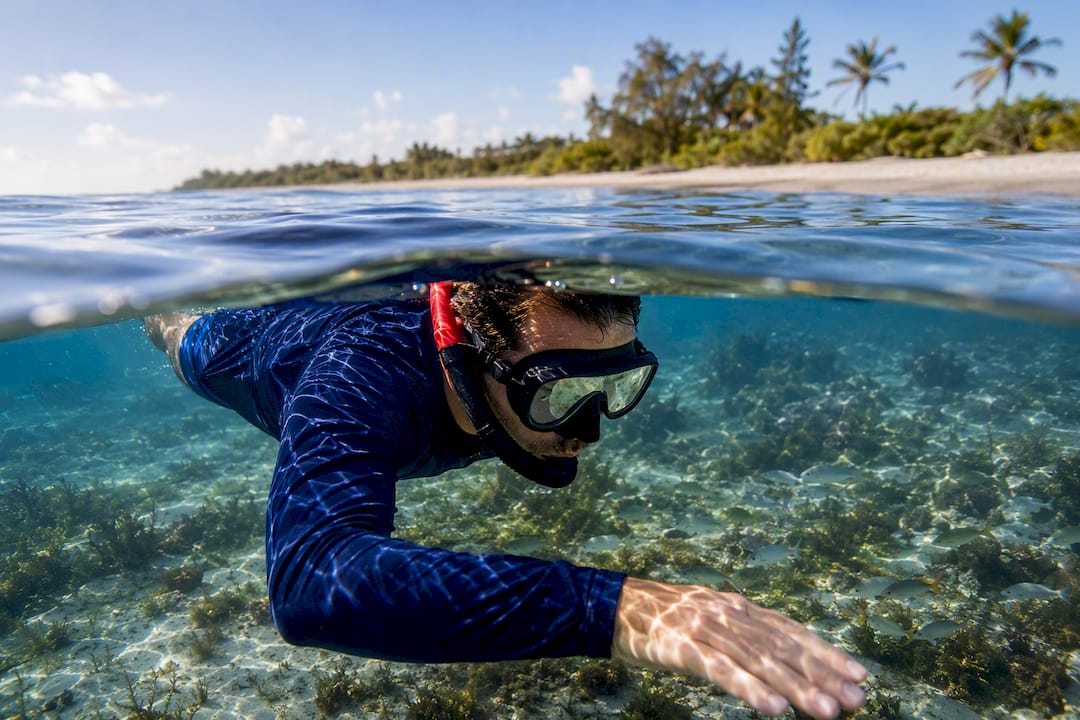
Yes, snorkeling on Captiva Island is worth planning around. Shore snorkeling at Captiva Beach, Turner Beach, and Alison Hagerup Beach Park works well for families and beginners on calm mornings. For clearer water and more wildlife, a guided eco-charter to Cayo Costa State Park or a nearby reef delivers a richer trip. Pick self-guided shore snorkeling for flexible mornings, or book a half-day charter if remote water and marine life top your list.
TL;DR:
Captiva Beach offers shallow, calm waters ideal for families and beginners, with visibility often better early in the morning before wind and boat traffic stir up sediment.
Turner Beach features tide-dependent rocky outcrops that attract marine life, but access and water clarity vary significantly with tide and weather conditions.
Cayo Costa State Park provides a quieter, boat-access adventure with diverse wildlife, including sea turtles and rays, supported by extensive seagrass beds.
Guided eco-charters typically include one or two stops, with full-day options offering additional visits and activities like shelling, but weather and wind can lead to canceled or rerouted stops.
Using a rental near the water with rinsing facilities allows flexible, spontaneous snorkeling mornings, while booking charters requires planning around departure times and weather conditions.
Table of Contents
Top Captiva Island Snorkeling Spots and Who They Suit
Where you snorkel on Captiva depends on what you want out of the morning: an easy wade-in with the kids, a tide-dependent adventure over rocky ledges, or a boat trip to water most visitors never see. Each spot has its own personality, and knowing that in advance saves you a wasted trip.
Captiva Beach offers the calmest entry point on the island. Gulf waters here stay shallow for a good stretch before dropping off, which makes it forgiving for first-timers and kids still getting used to a mask and snorkel. Early morning is the best window, before boat traffic and afternoon wind stir up the sand. Expect to see small reef fish, the occasional ray gliding along the bottom, and clear enough water on a good day to spot sea stars.
Turner Beach rewards a bit more planning. Rocky outcrops near the pass create structure that fish and rays gather around, but those same features are tide-dependent. Check a tide chart before you go; low tide can expose rocks that make entry tricky, while the wrong combination of tide and wind can cloud the water fast. This spot suits snorkelers who are comfortable adjusting on the fly rather than beginners looking for a predictable outing.
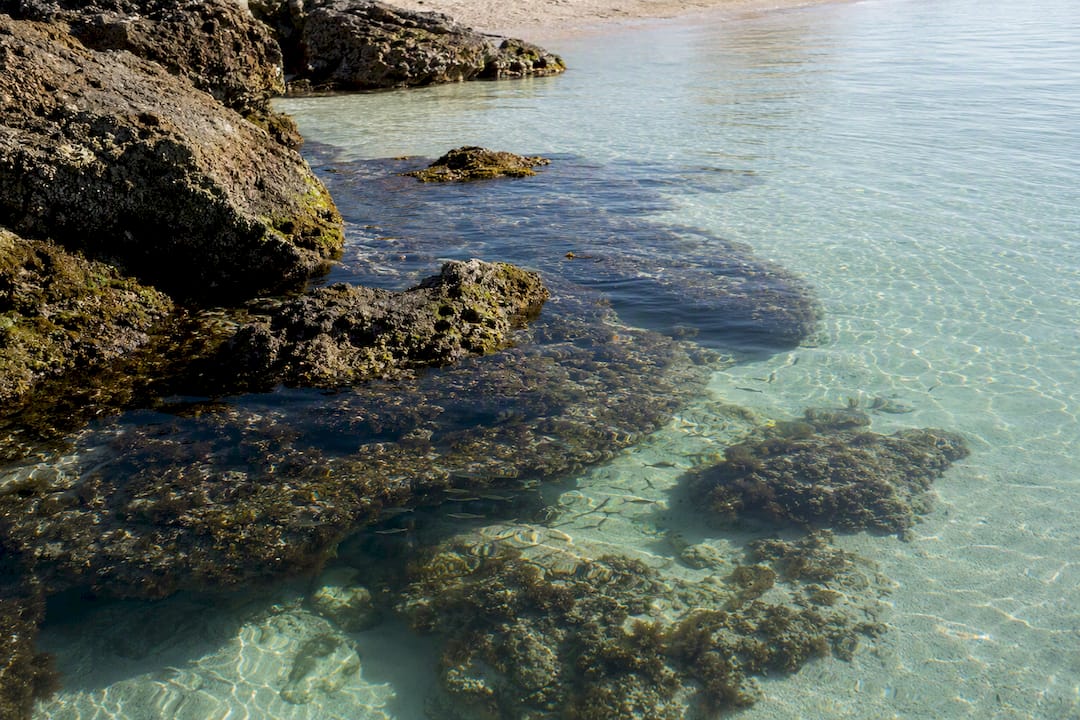
Alison Hagerup Beach Park is the easiest recommendation on this list for families. The sandy, shallow entry has none of Turner Beach’s rock hazards, and the gentle slope means kids can wade out at their own pace. It is a reliable pick when wind has roughed up other parts of the island.
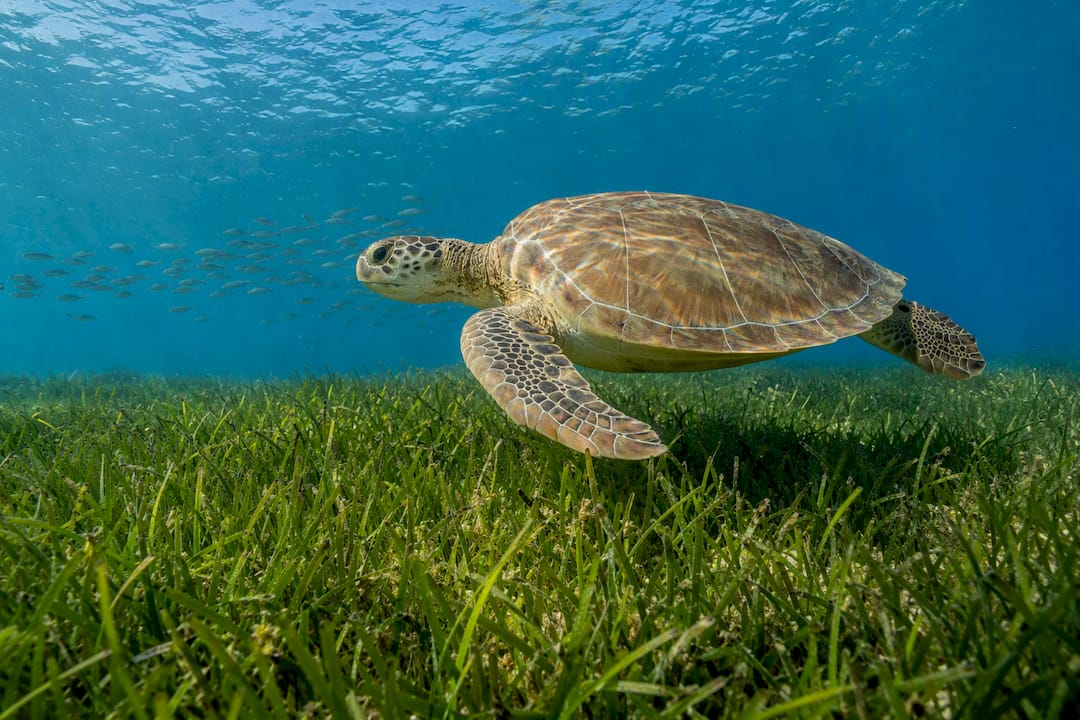
Cayo Costa State Park requires a boat, and that single barrier keeps it quieter than the shore spots. Seagrass beds ring much of the island, and those beds support a noticeably wider range of life: sea turtles, rays, and schools of fish that don’t tend to stick around high-traffic beaches. The Sanibel-Captiva Chamber’s snorkeling guide lists Cayo Costa alongside Turner Beach, Alison Hagerup, and Captiva Beach as the area’s core snorkeling sites, and Florida State Parks confirms the park’s protected beaches and seagrass habitat make it a strong boat-based option.
Offshore artificial reefs, including Belton Johnson Reef and Edison Reef, sit further out and require a boat with real navigation. Visibility tends to run clearer out there, but currents and depth make these sites better suited to snorkelers who are confident in open water, not a first outing.
What to Expect From a Guided Snorkeling Tour or Charter
A guided trip removes most of the guesswork, and for visitors without their own boat, it is often the only way to reach Cayo Costa or the offshore reefs. Understanding the standard format helps you book the right one.
Half-day charters typically run several hours and include one or two snorkeling stops, often paired with shelling or a slow cruise past mangrove islands for wildlife viewing.
Full-day charters include additional stops or a longer visit to Cayo Costa, with more time for lunch or a beach break between swims.
Private eco-tours from operators like Captiva Eco Tours run in small groups and combine snorkeling in shallow grass flats with shelling, which tends to mean calmer water and more attention from the guide than a packed public boat.
Most operators supply mask and snorkel along with life vests, and a safety briefing is standard before anyone gets in the water. Gear quality varies by outfitter, so confirm what’s included when you book rather than assuming. Many local operators run their snorkeling season during the warmer months, and daily routing shifts based on wind and tide, which means your exact stop might change the morning of the trip.
Representative listings, including a half-day private eco charter out of Captiva, note U.S. Coast Guard passenger limits on every boat and emphasize wildlife practices that align with the Marine Mammal Protection Act. That’s worth knowing before you book: a smaller boat means a more personal trip, but it also means the operator has a hard cap on how many people can join.
Pro Tip: Call the operator directly and ask how they handle a canceled snorkel stop due to wind. A good outfitter will have a backup plan, whether that’s a different site or a rain check, rather than just shortening your day.
Before you confirm a booking, run through a short checklist: passenger limit, cancellation policy, whether gear is included or needs renting separately, and whether young kids are welcome on board. Some charters set a minimum age for safety reasons, so ask before you plan a family trip around one.
When Is the Best Time to Snorkel Near Captiva Island?
Late spring through early fall generally brings the warmest water and the best visibility around Captiva, though a passing storm can cloud things up on any given day regardless of the calendar. Wind is usually the bigger variable than the season itself.
Time of day matters more than most first-time visitors expect. Early morning tends to offer the calmest seas, before afternoon sea breezes kick up and stir sediment near shore. Local guides on snorkeling adventures near Captiva consistently point to early morning as the visibility sweet spot, with tides and wind capable of cutting clarity sharply later in the day.
Tides change the picture at each shore spot differently. At Turner Beach, low tide can expose rocks and make entry awkward, while a rising tide often smooths that out. At Captiva Beach and Alison Hagerup, the sandy bottom is more forgiving across tide stages, but a strong incoming tide still stirs up sand near the shoreline.
Before heading out, run through this quick check:
Is the wind under roughly 10 to 15 mph? Anything stronger usually means chop and reduced visibility.
Is the tide rising or falling at your chosen spot, and does that spot handle low tide well?
Has it rained heavily in the last day or two? Runoff can cloud nearshore water for a day or more.
Are you going early morning, or accepting reduced visibility for a later start?
Operators running eco charters near Captiva routinely skip a scheduled snorkel stop when wind or chop makes shallow sites unsafe. That’s a normal, responsible call, not a sign the trip was mismanaged.
What Gear and Safety Rules Apply to Captiva Snorkeling
Pack light, but pack right. Here’s what actually earns a spot in your bag:
Mask and snorkel (fins are optional for shallow shore spots, more useful for boat trips)
Reef-safe sunscreen and a rash guard for sun protection without harming marine habitat
Water and a small first-aid kit, especially for a full morning at a shore site with no facilities nearby
Water shoes if you’re snorkeling Turner Beach’s rocky sections
If you’re on a charter, most operators provide mask, snorkel, and a life vest. Check the fit before you get in the water. A leaking mask or a snorkel that doesn’t seal ruins a trip faster than bad weather does.
Stick with a buddy, keep some distance from your guide’s group, and never touch coral, rocks, or resting wildlife. If dolphins or sea turtles show up nearby, admire them from a distance rather than swimming toward them. This isn’t just courtesy; it’s consistent with Marine Mammal Protection Act guidance that operators are expected to follow.
Pro Tip: If you’re bringing your own gear, test the mask seal in a pool or bathtub before your trip. A mask that fogs or leaks is the single most common complaint from first-time snorkelers, and it’s an easy fix at home.
Local outfitters rent gear by the day, and most charters include it in the trip price, so you rarely need to buy anything beyond sunscreen and a rash guard.
Planning a Snorkeling Day: Shore Trip vs. Charter Day
A shore snorkeling morning and a charter day look different from the moment you wake up, so build your schedule around which one you’re doing.
For a self-guided shore morning, aim to arrive by 8 or 9 a.m. at Captiva Beach or Alison Hagerup, while the water is calm. Plan for two to three hours in the water, then rinse off at a public shower before lunch. Bring your own gear or rent locally the day before to skip a morning stop.
For a charter day, expect an early departure, usually between 8 and 9 a.m., with one or two snorkel stops and a return by early afternoon. Pack light snacks and motion-sickness remedies if you’re prone to seasickness on open water.
Confirm parking or drop-off at your chosen shore spot the night before.
Check tide and wind forecasts that morning before committing to a site.
If chartering, confirm your departure marina and arrive fifteen minutes early.
Ask about life vest weight and age minimums if children are joining a boat trip.
Why a Captiva Rental Makes Snorkeling Simpler
Staying steps from the water changes how your snorkeling morning unfolds. A beachfront or bayfront rental lets you check conditions at sunrise and walk straight to the sand, no drive, no parking search, while a private outdoor shower means gear and rash guards rinse off before they ever touch your car.
American Realty of Captiva’s decades of local knowledge, map-based property search, and direct booking tools help you match a rental to your plans, whether that means walking distance to Captiva Beach or a bayfront spot near charter departure points. Look for a beachfront rental with rinse stations and covered storage for gear, and check for seasonal discounts when you book.
— Josh
Book a Captiva Rental Built Around Your Snorkeling Days
A beachfront or bayfront rental turns snorkeling from an errand into part of your morning routine, with gear staged by the door and the water a short walk away instead of a drive across the island. Captiva-island’s beachfront rental collection puts you close to Captiva Beach and Turner Beach, with outdoor showers and storage that make rinsing off and resetting for the afternoon simple.
If your group is chartering a boat instead, a bayfront home often sits closer to departure points and gives you a pool to return to once the trip wraps up. Browse available rentals and check dates for your snorkeling trip before the best beachfront weeks book up.
Sources
Check Florida State Parks’ Cayo Costa page for current access and ferry rules, and Visit Florida’s Captiva Island guide for broader area planning. For operator specifics, review a charter listing directly and confirm gear, seasonal availability, and weather policies before you pay a deposit.
Recommended
Comments