
Why Captiva Island Water Is Safe for Kids

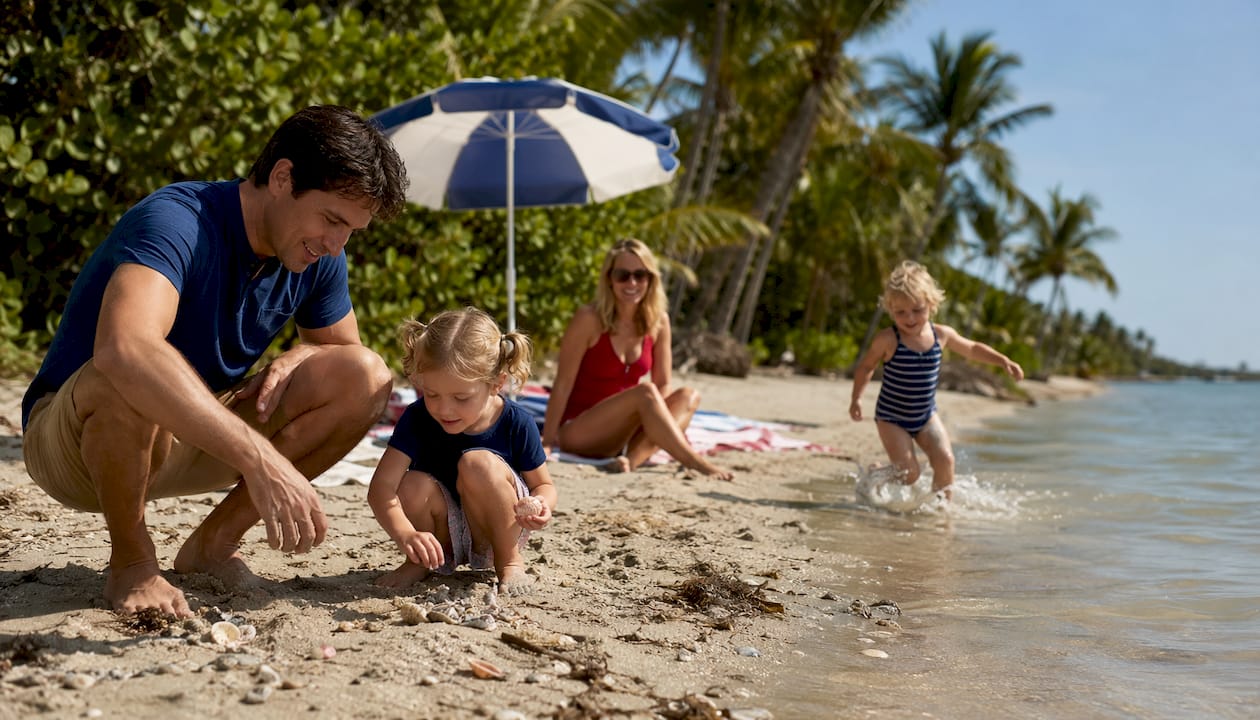
Captiva Island’s Gulf waters are generally safe for children to swim and play in, and the evidence backs that up. A recent Florida Department of Health sample at Captiva Island Beach measured 10 CFU/100mL, well below the EPA’s beach action value of 70.5 CFU/100mL for enterococci. The shoreline itself helps: shallow, gently sloping sand, typically calm Gulf surf, and routine monitoring by both state agencies and the Sanibel-Captiva Conservation Foundation (SCCF) give families a reliable safety picture, though conditions can change. Check live advisories from SCCF and the Florida Department of Health every morning before you head to the beach.
Recent bacterial sample: 10 CFU/100mL (rated Good by Florida DOH)
EPA threshold for safe swimming: 70.5 CFU/100mL (Captiva’s reading is well below that threshold)
Routine monitoring by SCCF and Lee County adds a local early-warning layer that state testing alone cannot provide
Table of Contents
Why is Captiva Island water safe for kids?
The Gulf side of Captiva offers something genuinely rare on Florida’s coast: a long, wide shoreline where the water deepens slowly and predictably. On a calm morning, a four-year-old can wade out twenty feet and still feel sand underfoot. That gradual drop-off is one of the most underrated safety features any beach can have for young children.
Wave energy on the Gulf side tends to stay low, especially during the calmer months of late spring and early fall. Protected pockets along the island’s mid-section see even gentler surf because sandbars break incoming swells before they reach the shoreline. The result is water that moves slowly enough for kids to keep their footing without much effort.
Conditions do shift with weather and tides. An afternoon sea breeze can push small waves higher, and tidal changes alter how deep the water is at any given spot. Morning visits, before the wind picks up, typically offer the calmest conditions for toddlers and young swimmers. Overcast days after storms are a different story entirely, and that distinction matters for planning.
Shallow, gradual shoreline: Water deepens slowly along most of Captiva’s Gulf-facing beach, giving parents time to react if a child moves too far out.
Low wave energy: Sandbars and the island’s orientation buffer incoming swells, keeping surf manageable on most fair-weather days.
Sheltered mid-island spots: Areas away from Turner Beach’s point and the northern inlet tend to be calmer and better suited to young children.
Tide and wind awareness: Morning visits before afternoon breezes arrive usually offer the gentlest conditions for small kids.
How is Captiva’s water quality monitored?
Three sources do most of the work, and each one tells you something different. Knowing which to check first saves time and gives you a clearer picture than any single feed alone.
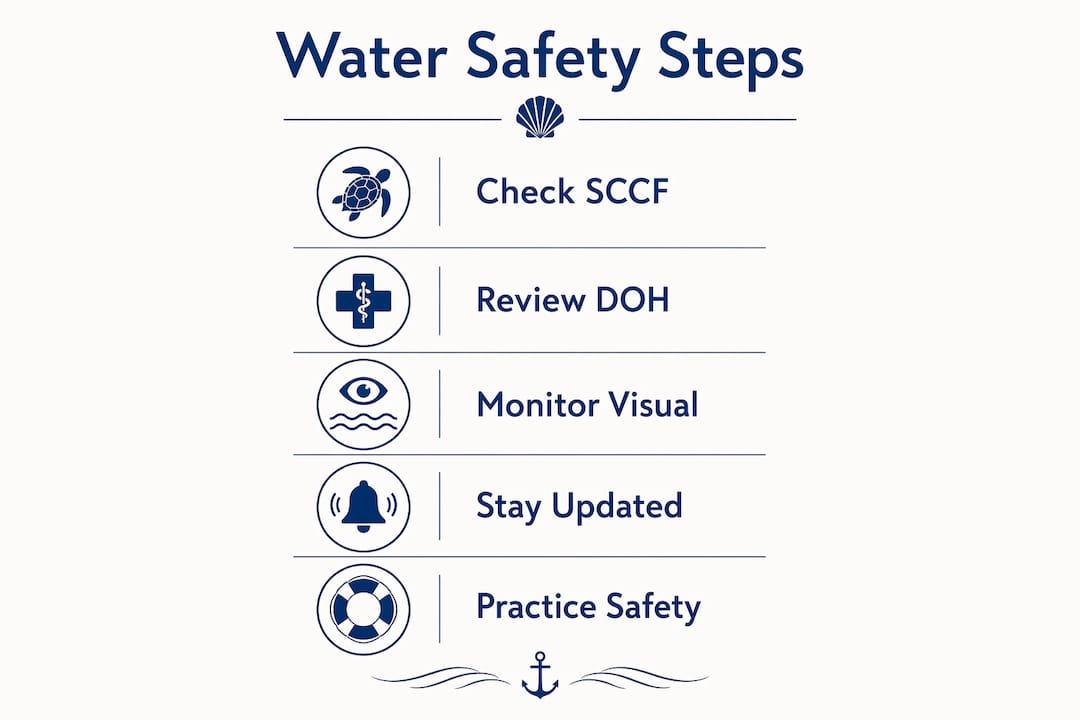
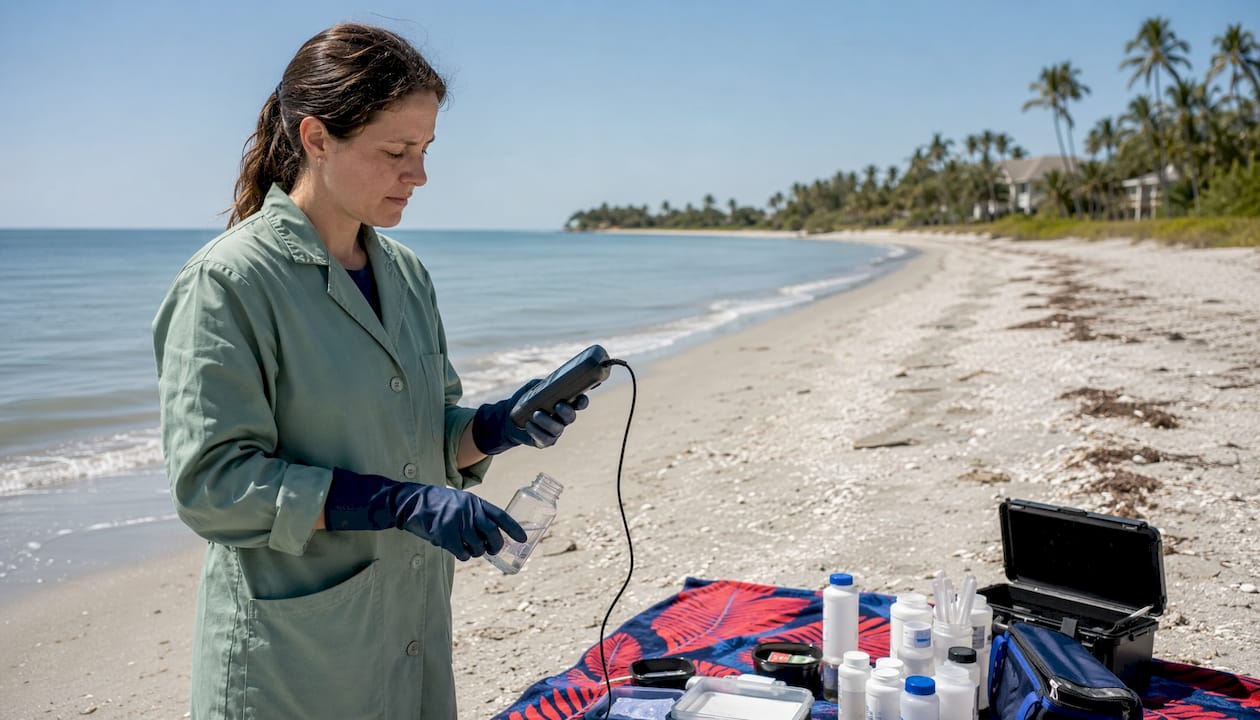
The SCCF publishes local environmental observations, red tide reports, and water-quality updates that often catch localized changes before state testing data is refreshed. Their reports are place-specific and written for people who actually live and visit here, not just for regulators. The Florida Department of Health runs the official bacterial testing program and posts results at SafeToSwimFlorida, where each beach gets a current rating. Visit Fort Myers maintains a visitor-facing conditions page and explicitly advises checking it daily because red tide and water quality can shift overnight.
Pro Tip: Check SCCF first for red tide and visual observations, then cross-reference with the Florida DOH rating at SafeToSwimFlorida. If both look clear, you’re good to go. If either flags a concern, hold off.
Source | What it publishes | Best for |
SCCF (sccf.org) | Red tide reports, local water observations, habitat alerts | Early warning on localized conditions |
Florida DOH / SafeToSwimFlorida | Bacterial sample results, beach ratings (Good/Poor) | Official bacterial safety status |
Visit Fort Myers beach conditions | Daily water quality links, red tide updates, beach status | Quick visitor-facing summary |
Lee County beach pages | Closures, advisories, and public access updates | Confirmed closures and formal advisories |
Testing is not continuous. Samples are collected periodically, which means a reading from earlier in the week may not reflect conditions after a heavy rain. That gap is exactly why SCCF’s real-time local observations matter so much for families.
What risks should parents watch for on Captiva?
Most days on Captiva are calm and welcoming. But a few specific conditions can change that quickly, and knowing the signs keeps your family ahead of any problem.
Red tide and algal blooms are the most common seasonal concern. When red tide is active, you may notice a coppery or brownish tint in the water, dead fish on the shoreline, and a throat or eye irritation that starts within minutes of being near the surf. Keep children out of the water entirely during active red tide events. Breathing the aerosol near breaking waves can irritate airways, particularly for kids with asthma.
Bacteria after heavy rain is a well-documented risk. Stormwater runoff carries bacteria from drains, canals, and developed areas into nearshore waters, and levels can spike quickly. The Florida Department of Health recommends waiting at least 72 hours after heavy rain before swimming, especially near inlets and canal mouths. A SCCF water quality study confirmed that enterococci levels near Captiva’s estuary side rise significantly after rainfall events exceeding half an inch.
Rip currents are the most serious immediate hazard. Local incident reports document rescues near the point at Turner Beach, piers, and areas where channels converge. A rip current pulls swimmers away from shore, not under water. If a child gets caught, teach them to swim parallel to shore, not against the current.
“They shouldn’t have been swimming for the conditions of the water at the time. We just had a large tropical storm go past,” said a Captiva Island Fire Control District official after responding to swimmer rescues. “I would not have been swimming out there. I would not have had my kids out there.” — Island Reporter
Jellyfish and stingrays are present seasonally. For jellyfish stings, rinse with seawater (not fresh water), remove visible tentacles with a card or shell, and apply a cold pack. For stingray punctures, soak the wound in hot water for 30–90 minutes and seek medical attention. Stingrays rest in shallow sand, which is why the stingray shuffle matters so much for kids.
Boat traffic near inlets and resort docks creates a separate hazard. Keep children well away from marked channels and manatee/idle-speed zones, where boat wakes can be unpredictable.
What should you pack and do to keep kids safe at the beach?
A little preparation at the rental before you leave makes the whole day easier. Think of this list as your pre-beach routine, not an afterthought.
US Coast Guard–approved life jackets for any child who is not a confident swimmer. Inflatable arm floaties are not a substitute.
Closed-toe water shoes to protect feet from shells, stingrays, and hot sand.
Shade shelter and SPF 50+ sunscreen, reapplied every 90 minutes.
Plenty of fresh water — dehydration sneaks up fast in Florida heat.
Basic first-aid kit with tweezers, antiseptic wipes, a cold pack, and antihistamine cream.
A visible landmark (a bright beach umbrella or towel) so kids always know where home base is.
For toddlers, stay within arm’s reach at all times. Preschoolers do well in the wading zone with a buddy system in place. Older children and strong swimmers can go a little deeper, but always with a designated adult watching from the shoreline, not from a chair facing the other direction.
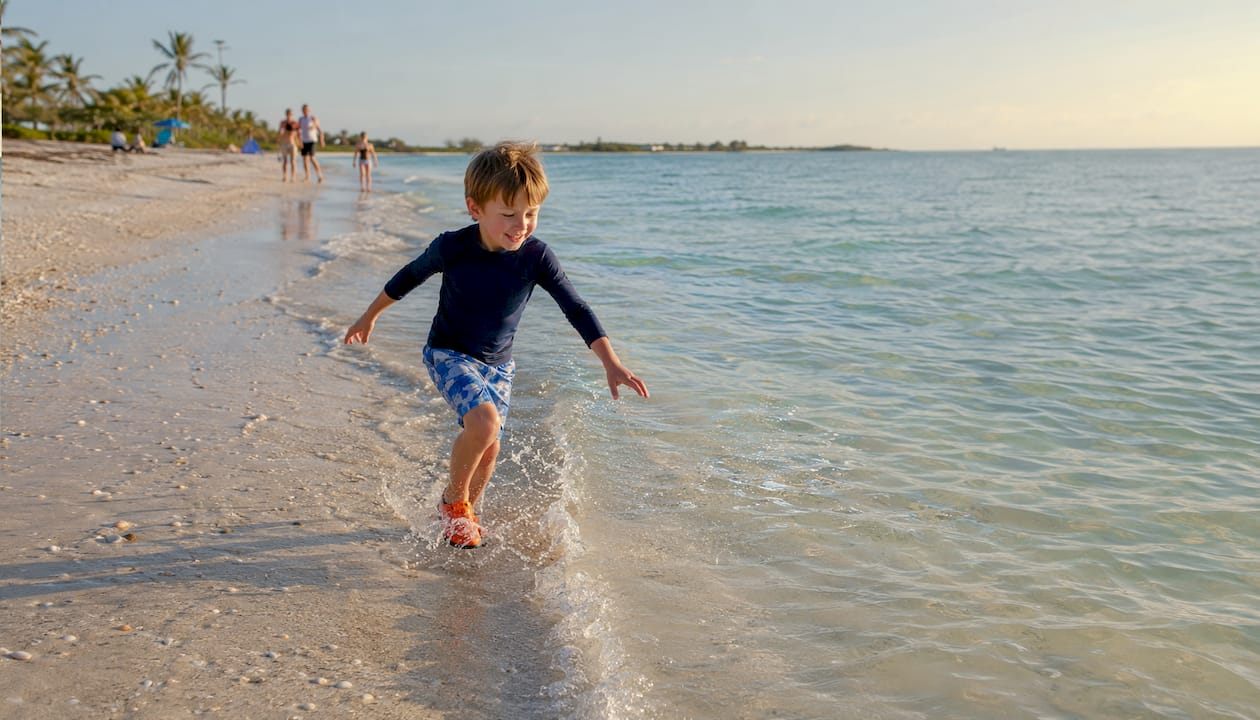
The stingray shuffle is non-negotiable: slide feet along the sand rather than stepping down. Stingrays move away from vibration, and this simple habit prevents the vast majority of stings. Avoid standing near inlets after storms, and limit beach time during any active red tide event, even if the water looks clear.
Pro Tip: Set a time-based check-in rule before kids enter the water. Every 15 minutes, everyone comes back to the umbrella. It sounds simple, but it keeps small children from drifting and gives parents a natural moment to scan conditions.
Which beaches on Captiva are best for kids?
Captiva has a handful of distinct beach access points, and they are not all equal for families with young children. Matching the right spot to your kids’ ages and swimming ability makes a real difference.
Captiva Beach (at the end of Captiva Drive) is the island’s most popular family spot. The water here tends to be calmer than at the southern point, shelling is excellent, and the gradual shoreline suits waders of all ages. Visitor reviews consistently describe clear water and family-friendly conditions here, and it’s the go-to for parents with toddlers.
Turner Beach sits at the southern tip where Captiva meets Blind Pass. The shelling here is legendary, but the currents near the pass are noticeably stronger. Local incident reports flag this area specifically for rip currents and channel convergence. Older kids who are strong swimmers can enjoy it with close supervision; it’s not the right spot for toddlers or non-swimmers.
For a full breakdown of access points, parking, and what each beach offers by activity, the Captiva Island beaches guide covers every option in detail.
Beach | Best for | Wading | Shelling | Lifeguard | Parking |
Captiva Beach | Toddlers, families | Excellent | Very good | No | Limited street |
Turner Beach | Older kids, shellers | Moderate | Excellent | No | Small lot |
Confirm public access and parking rules before you visit, as availability can shift during peak season.
How to use SCCF and county resources before you swim
Local organizations and county resources are your most reliable pre-swim check. Here’s how to use them together.
SCCF (sccf.org): Start here. SCCF’s local observers often spot red tide discoloration, unusual fish kills, or water color changes before state lab results are updated. Their reports are specific to Sanibel and Captiva, not generic county-wide summaries.
Florida DOH / SafeToSwimFlorida: Check the current bacterial rating for Captiva Island Beach. A “Good” rating means the most recent sample was below the EPA action threshold. Remember that samples are periodic, so pair this with SCCF’s real-time observations.
Visit Fort Myers beach conditions: A quick daily check here surfaces any formal advisories or closures posted by Lee County. It also links out to red tide maps and water-quality resources.
On-beach observation: Before kids enter the water, scan for dead fish, unusual water color, foam, or a sulfur-like smell. Any of these signals warrants a pause and a quick check of SCCF’s latest report.
The recommended order: SCCF first for local conditions, Florida DOH for bacterial status, Visit Fort Myers for formal advisories, then your own eyes on the water. All four together take about five minutes and give you a complete picture.
Key Takeaways
Captiva Island’s Gulf waters are generally safe for children when you check SCCF and Florida DOH advisories before swimming, wait 72 hours after heavy rain, and choose the right beach for your kids’ age and ability.
Point | Details |
Overall safety verdict | Captiva’s Gulf shoreline is generally safe for kids, with recent bacterial samples rated Good by Florida DOH. |
Check advisories daily | Consult SCCF and Florida DOH every morning; conditions, especially red tide, can change overnight. |
72-hour rain rule | Wait at least 72 hours after heavy rain before swimming, particularly near inlets and canal mouths. |
Match beach to age | Captiva Beach suits toddlers and young swimmers; Turner Beach is better for older, stronger kids. |
Captiva-island rentals | Browse family-friendly rentals with beachfront access and pool filters to match your family’s safety preferences. |
A local perspective on Captiva water safety
The question parents ask most often is not really about bacteria counts. It’s about whether they can relax. And the honest answer is: yes, most of the time, with a few simple habits in place.
What gets overlooked in most travel guides is that the biggest hazard on Captiva is not water quality. It’s location choice and timing. Rip currents near Turner Beach’s pass have prompted real rescues. A family that sets up at Captiva Beach on a calm morning, checks SCCF before leaving the rental, and keeps toddlers in the wading zone is genuinely at low risk. A family that heads to the point after a storm because the sky looks clear is in a different situation entirely.
The monitoring infrastructure here is better than most barrier islands its size. SCCF’s local presence means someone with real knowledge of these specific waters is watching conditions regularly, not just running a statewide algorithm. That matters. Pair their reports with the Florida DOH bacterial data and you have a two-layer check that most beach destinations simply don’t offer.
The other thing worth saying: morning is the right time for young children at any Captiva beach. The water is calmer, the sand is cooler, and the crowds are thinner. By early afternoon, the sea breeze picks up and conditions shift. An hour at the water’s edge at 9 AM with a four-year-old is worth more than three hours of managing a tired, sun-baked toddler at noon.
Planning a family stay on Captiva
Families who want to be close to the water without sacrificing comfort have real options here. Captiva-island.com, operated by American Realty of Captiva with over 30 years of local experience, offers a curated selection of beachfront vacation rentals with direct beach access, private pools, and fully equipped homes sized for families. Filtering for a pool property gives you a safe, enclosed swim option on days when advisories are posted or after heavy rain, so the trip stays enjoyable no matter what the Gulf is doing.
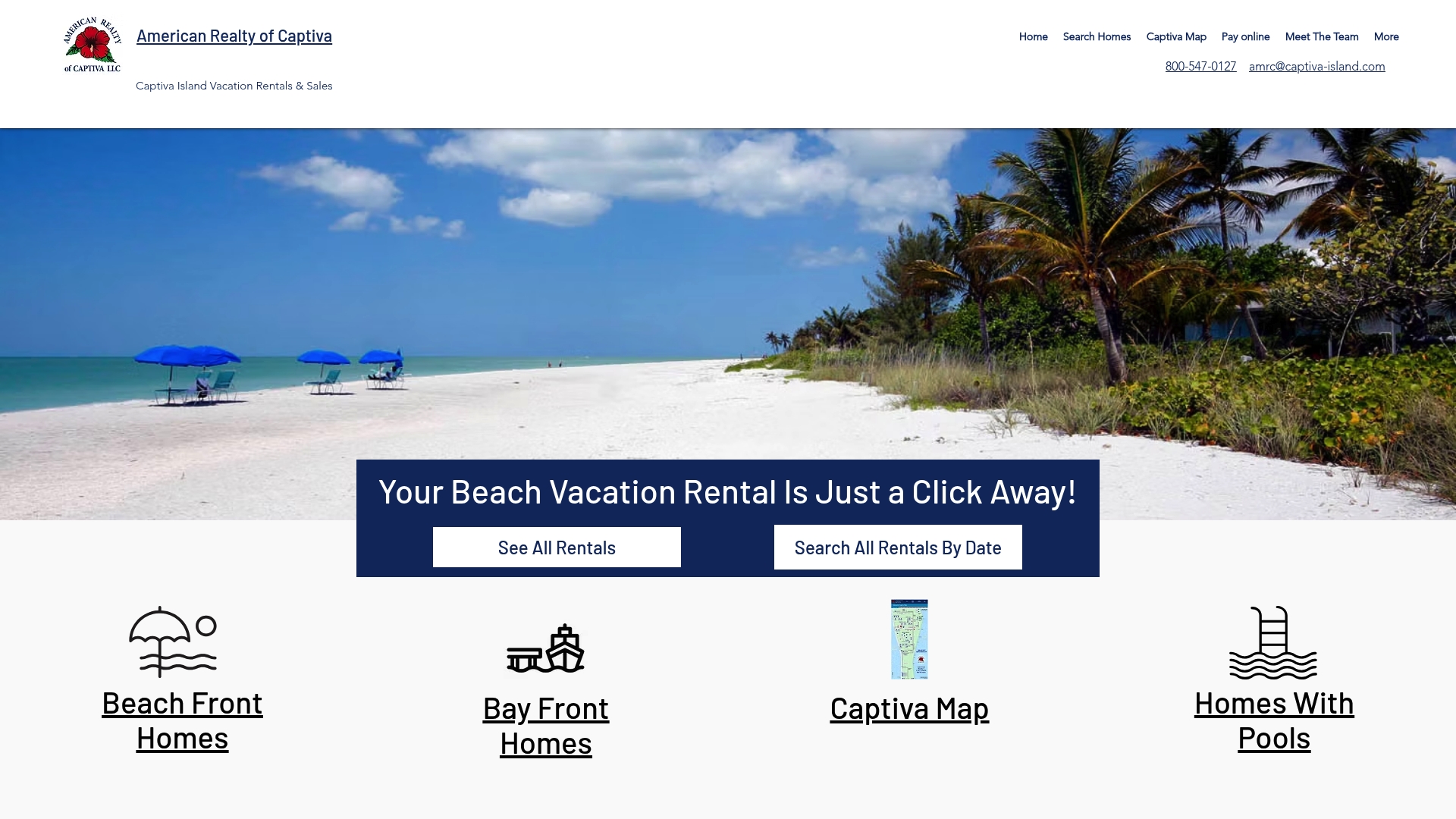
Prioritize rentals with fenced yards, proximity to bathrooms, and beach access that keeps kids away from boat traffic zones. Before you arrive and again the morning of each beach day, check SCCF and the Florida DOH advisory page. Browse all available family-friendly rentals and use the filters to find the right fit for your group.
Useful resources to check before and during your visit
Keep these pages bookmarked on your phone before you leave home.
SCCF (sccf.org): Local red tide reports and water-quality observations. Check first for place-specific conditions.
SafeToSwimFlorida / Florida DOH: Official bacterial sample results and beach ratings for Captiva Island Beach.
Visit Fort Myers beach conditions: Daily visitor-facing summary of advisories, closures, and red tide links.
Captiva-island family guide: Practical logistics for families, including activity ideas for days when the water is off-limits.
For bacterial safety, start with Florida DOH. For red tide and real-time local observations, SCCF is faster and more specific. For formal closures and visitor logistics, Visit Fort Myers covers both. Your own eyes on the water are the final check.
This article provides general information for vacation planning purposes. Confirm current water conditions with the Florida Department of Health, SCCF, and Lee County before swimming.
Recommended
Comments