
U.S. Hosts: Copy Ready Cancellation Policies for Vacation Rentals


Most successful Captiva-style hosts choose from four policy families: flexible, moderate, firm or strict, and nonrefundable or tiered. The practical default for most U.S. hosts is a seasonal blend, using moderate terms in the off-season and firmer windows during peak weeks, paired with plain, copy-ready wording and a nudge toward travel insurance on nonrefundable rates. The templates and legal notes below fill in the details.
TL;DR:
Flexible policies are best for off-season or smaller units where rebooking is low-risk, but they offer less protection against last-minute revenue loss.
Strict policies suit large, high-value properties during peak season, as rebooking on short notice is more difficult and revenue protection is essential.
Nonrefundable rates attract price-sensitive travelers but carry higher dispute risks if not paired with clear insurance guidance and careful policy enforcement.
Platforms like Airbnb and Vrbo offer preset tiers, but hosts should customize terms for direct bookings, ensuring they match guest expectations and legal requirements.
Enforcing a consistent, transparent communication of cancellation policies, including in booking platforms and signed agreements, helps prevent disputes and build guest trust.
Table of Contents
What Are the Main Cancellation Policy Types for Vacation Rentals?
A vacation rental cancellation policy usually falls into one of five buckets, and the differences come down to how many days before check-in a guest can back out and still see money returned.
Flexible: Full refund for cancellations 24 to 48 hours before arrival, minus any service fee.
Moderate: Full refund up to 30 days out, about half refund for cancellations in the following weeks before check-in, no refund less than a week before.
Firm/strict: Full refund only when canceled well in advance, partial refund for cancellations a month or more before check-in, no refund closer to arrival.
Nonrefundable: No refund regardless of timing, usually offered at a discounted nightly rate.
Tiered: A hybrid that layers percentages across multiple windows, common on larger, higher-priced beachfront homes.
Cleaning and service fees are typically handled separately from the room rate. Most hosts refund the cleaning fee in full if a guest cancels before the home is prepared, since that cost has not yet been incurred, while service or booking fees charged by a platform are rarely refundable under any tier.
How Do Airbnb and Vrbo Cancellation Tiers Compare to Custom Policies?
Airbnb and Vrbo each publish their own preset tiers, and most hosts start there before deciding whether custom wording makes more sense for a direct-booking site.
Airbnb offers Flexible, Moderate, and Firm tiers, plus a Strict option available only to hosts who qualify through booking volume and review history.
Vrbo runs several windows, from a 24-hour Relaxed policy to a No Refund tier, with refund percentages tied to how many days remain before check-in.
Selecting a stricter tier on either platform can affect how a listing ranks in search, since both platforms reward flexible policies with modest visibility boosts during periods of soft demand.
For direct bookings, you are not locked into a platform preset. That freedom is worth using, but only if your rental agreement spells out the same terms a guest saw on the booking page, so nothing changes between the listing and the contract.
Which Policy Fits Your Property and Season?
The right policy depends less on personal preference and more on how hard your property is to rebook.
Flexible policies work well for smaller urban units or off-season bookings, where rebooking a canceled night is easy and low risk. The tradeoff is thinner protection against last-minute revenue loss.
Moderate policies suit mid-size homes in shoulder seasons, balancing guest goodwill against some cancellation cushion.
Firm or strict policies make sense for large group homes and peak-season beachfront properties, since rebooking a high-value, amenity-rich home on short notice is genuinely harder than rebooking a studio apartment.
Nonrefundable rates work as a discount lever for price-sensitive travelers willing to trade flexibility for savings, but they carry the highest dispute risk if not paired with insurance guidance.
Many managers switch tiers by season rather than picking one policy year round, then track booking pace and cancellation rates for a month or two before deciding whether the change actually helped.
Sample Cancellation Policy Language You Can Copy
Below are three starting templates. Adjust dates, currency, and fee references to match your own rental agreement, and always state prices in U.S. dollars with the effective date of the policy clearly marked.
Lenient template (use for off-season or new listings building reviews): “Guests who cancel 48 hours or more before check-in receive a full refund of the rental rate. Cancellations within 48 hours forfeit one night’s rate. The cleaning fee is refunded in full for any cancellation.”
Balanced template (use for most standard bookings): “Cancellations made 30 or more days before check-in receive a full refund. Cancellations made 7 to 29 days before check-in receive 50% of the rental rate. No refund is issued for cancellations within 7 days of check-in. Service fees are nonrefundable.”
Strict template (use for peak-season, high-demand, or large group homes): “Cancellations made 60 or more days before check-in receive a full refund. Cancellations made 30 to 59 days before check-in receive 50% of the rental rate. No refund is issued after that window. We strongly recommend travel insurance for this booking.”
For platform listings, paste the matching preset tier and add a note in your house rules pointing guests to the full rental agreement for edge cases. For direct bookings, the full version belongs in the signed agreement, not just the confirmation email.
What Legal Rules Should Hosts Know About Fees and Refunds?
Total-price transparency is not optional guidance anymore. The FTC’s final rule on unfair or deceptive fees requires short-term lodging providers to disclose the full price, including mandatory fees, before a guest commits to booking, and it prohibits burying refund conditions in fine print.
Regulatory note: One enforcement case makes the stakes concrete. The FTC’s complaint against Shore to Please Vacations alleged the company used contract clauses that penalized guests for leaving honest reviews, a direct violation of the Consumer Review Fairness Act. That single case is a warning to every host: any clause that restricts, fines, or discourages a guest’s right to leave a truthful review is legally unenforceable and can trigger federal action.
Practical takeaway: display your total price and refund terms clearly at the point of booking, never as a post-payment surprise, and never tuck a review-restriction clause into your rental agreement. Cancellation fees you collect are also generally reportable as rental income, so keep them recorded separately from refunded amounts when you file, per IRS Publication 527.
How Do You Put a Cancellation Policy Into Practice?
Publishing the policy is the easy part. Enforcing it consistently across platforms and direct bookings takes a little more structure.
Paste the same policy text on your Airbnb and Vrbo listings, your direct-booking site, and the confirmation email a guest receives immediately after paying.
Keep the full legal version in the signed rental agreement, and the short version visible at checkout, so guests never feel blindsided.
Document any manual override, such as a compassionate refund for a medical emergency, in writing, since consistent documentation of exceptions reduces chargeback risk and protects you if a dispute escalates.
Offer a travel insurance link or vacation-protection plan at checkout for any nonrefundable rate, especially for coastal properties where hurricane season adds real cancellation risk.
Pro Tip: Keep a simple spreadsheet log of every exception you grant, including the reason and the refund amount. If a guest ever disputes a charge with their credit card company, that log is your best evidence that you applied the policy fairly and consistently.
How Should You Communicate Your Policy to Avoid Disputes?
Guests rarely read a cancellation policy closely until they need to use it, so repetition matters more than length.
Show the policy on the listing page itself, restate it in the booking confirmation, and reference it once more in a pre-arrival reminder email.
Process approved refunds within a set window, typically 3 to 5 business days, and send written confirmation of the amount and date.
If a guest is upset about a denied refund, respond calmly and point to the documented policy. Never ask a guest to remove or soften a review in exchange for a refund. That kind of gag clause is exactly what drew federal enforcement against one vacation rental company and it will cost you more in trust than the refund ever would.
Captiva-Island’s Perspective on Peak-Season Trade-Offs
Beachfront family homes on Captiva rebook slowly once a peak week is lost, so firmer windows during high season protect revenue without punishing the guests who plan ahead. Off-season, a looser policy earns goodwill at little cost.,. The pattern we see hold up: strict windows in the busiest months correlate with fewer last-minute cancellations, because guests who book knowing the terms tend to plan more carefully from the start.
— Josh
Book Directly With Clear Cancellation Terms
Cancellation terms are published in plain language on each listing, and support is available to discuss travel insurance options before payment for nonrefundable rates.
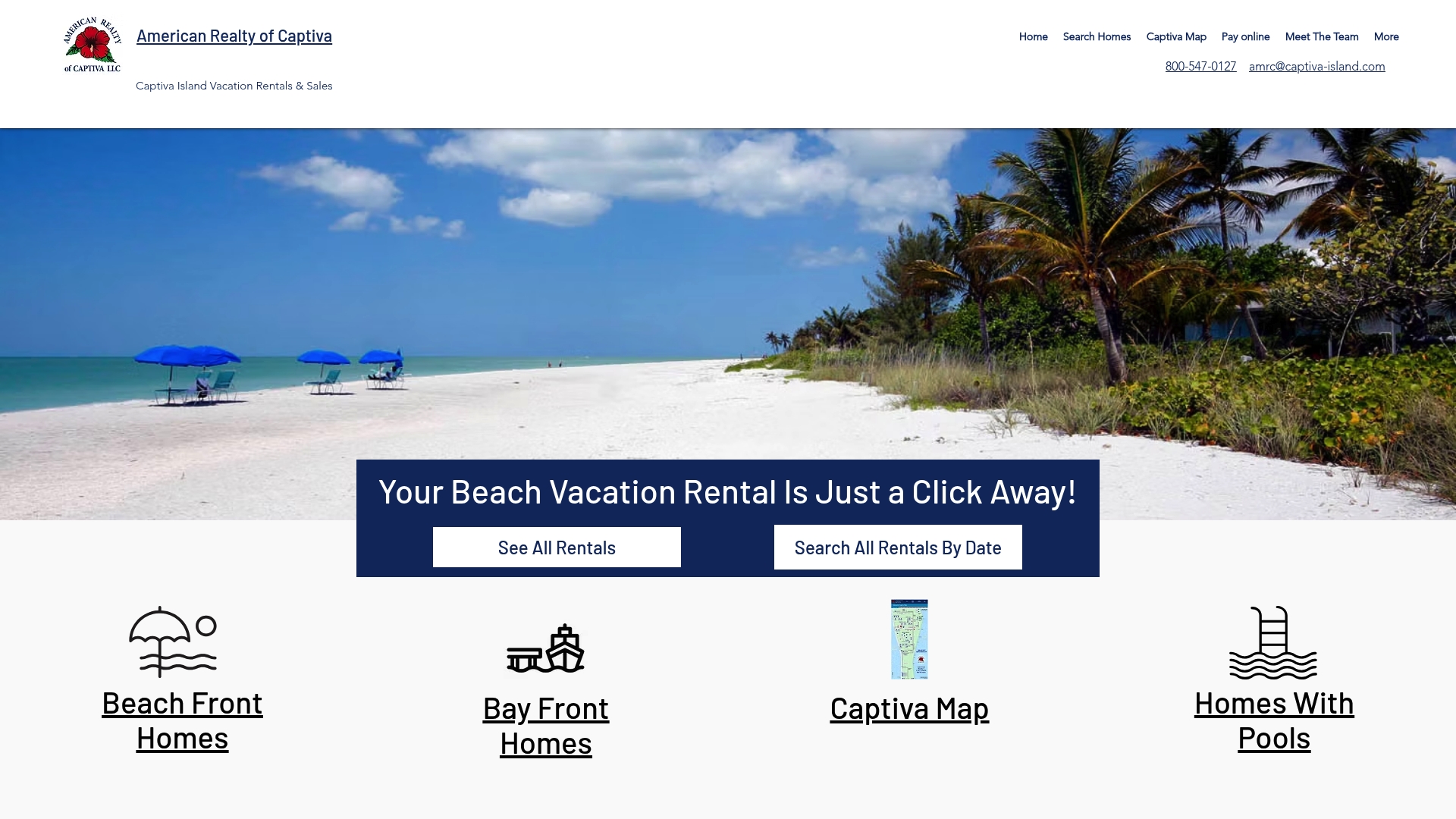
That clarity matters more on a barrier island than almost anywhere else, since storm season can force last-minute changes no host or guest fully controls. Because Captiva-island charges 0% third-party platform fees on direct bookings, the price you see already reflects the total cost, with no added markup layered on top of the refund terms. Browse the current vacation homes for rent in Captiva, Florida, or start with the beachfront homes if a peak-season stay is what you are planning, and review the full policy details before you book.
Sources
FAQ
What Are Typical Cancellation Policies for Vacation Rental Packages?
Most vacation rental packages fall into flexible, moderate, firm, or nonrefundable tiers, each defined by how many days before check-in a guest can cancel for a full or partial refund. Bundled packages that include activities or transportation often carry their own separate cancellation terms, so always check each component individually.
Will Airbnb’s Cancellation Policy Change in 2026?
Airbnb periodically adjusts its preset tiers and eligibility rules for stricter options, but the core structure of Flexible, Moderate, and Firm tiers has remained consistent. Hosts should check their Airbnb dashboard directly for the most current tier options, since platform terms can update without a public rollout.
What Is the 80/20 Rule for Airbnb?
It is a rule of thumb for setting expectations, not a documented Airbnb standard.
Can I Cancel My Vacation and Get a Full Refund?
Whether you get a full refund depends entirely on the specific rental’s policy tier and how far in advance you cancel. Flexible policies typically allow full refunds up to 24 to 48 hours before check-in, while firm or nonrefundable rates may allow no refund at all, which is why travel insurance is worth considering for nonrefundable bookings.
How Much Does It Cost to Book Directly With Captiva-Island?
Captiva-island charges 0% third-party platform fees on direct bookings, so the listed rate reflects the total cost without an added marketplace markup. Specific rental rates vary by property and season and are listed on each rental listing page.
Recommended
Comments