
Decide Your Florida Coast to Visit or Live: Gulf Is 2–5°F Warmer

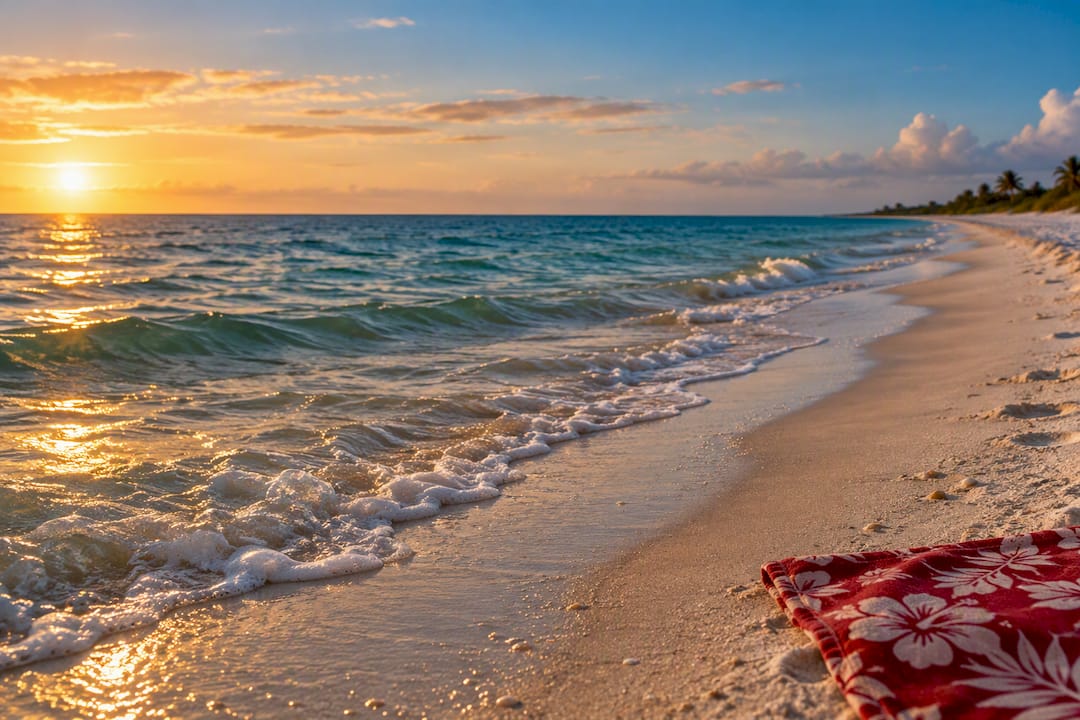
Choose the Gulf Coast for calmer, warmer water, sunset views, and a relaxed pace suited to young families and slow mornings. Choose the Atlantic for stronger surf, sunrise light, and a livelier, more urban rhythm. A family wanting shallow, gentle water for toddlers leans Gulf; a surfer chasing consistent swell leans Atlantic; someone weighing a move for the long haul should look at both coasts’ towns individually before picking a side.
TL;DR:
The Gulf Coast generally offers calmer, warmer water with a slower pace, ideal for families with young children and those seeking relaxation.
The Atlantic Coast provides stronger surf, more consistent waves in winter, and a lively, urban environment, attracting surfers and nightlife enthusiasts.
Water temperature on the Gulf runs about 2 to 5 degrees warmer than the Atlantic, especially in shallow areas during spring and summer.
Key Gulf towns like Siesta Key, Clearwater Beach, and Pensacola Beach feature soft, quartz-heavy sand and family-friendly amenities, while Atlantic hotspots like Cocoa Beach and Miami Beach focus on surf culture and nightlife.
Water safety can vary locally on both coasts, so checking regional advisories and avoiding areas near storm drains or industrial inlets is essential before swimming.
Table of Contents
Gulf Coast vs Atlantic Florida: A Side-By-Side Look
The physical differences between Florida’s two coastlines come down to geography. The Gulf of Mexico is a semi-enclosed body of water, which keeps wave energy low and lets the shallows warm up fast. The Atlantic Ocean is open water exposed to swell traveling thousands of miles, which is why its waves carry more punch and its currents move differently.
That single difference in water body shapes almost everything else on this list.
Water temperature: The Gulf typically runs about 2 to 5 degrees warmer than the Atlantic at the same latitude, especially in shallow water during spring and summer.
Wave energy: The Atlantic sees more consistent wave action, particularly in winter when nor’easters roll through, while the Gulf stays comparatively calm and protected.
Sand texture: Gulf beaches, especially around Sarasota and the Panhandle, tend toward fine, quartz-heavy sand that stays cool underfoot. Atlantic sand often carries more shell fragments and a coarser feel.
Best activities: Gulf waters favor swimming, paddleboarding, and shelling. Atlantic waters favor surfing, bodyboarding, and beach fishing in the break.
Sunrise vs sunset: East-facing Atlantic beaches deliver sunrise over open water. West-facing Gulf beaches deliver sunset, often with boats framed against the color.
Vibe and crowds: The Gulf tends toward a slower, resort-like pace outside of a few hubs. The Atlantic swings from quiet barrier islands to dense, urban energy depending on the town.
If your priority is a calm, warm-water beach day with small kids, the Gulf usually wins. If you want rideable waves, sunrise photography, or a walkable nightlife scene, the Atlantic tends to deliver more of what you’re after.
Which Beaches and Towns Represent Each Coast?
Naming specific places makes the Gulf vs Atlantic Florida comparison concrete instead of theoretical. Here’s where each coast shows its best version of itself.
On the Gulf side:
Siesta Key (Siesta Beach) near Sarasota has sand that’s nearly pure quartz crystal, which is why it stays cool even at midday and has landed on multiple national best-beach rankings. The county park offers close to 950 free parking spaces, restrooms, and volleyball courts, making it one of the more visitor-friendly stretches of sand on the entire Gulf Coast.
Clearwater Beach draws families with its wide, groomed shoreline, lifeguard coverage, and a walkable pier area with restaurants and shops nearby. It’s busier than Siesta Key but built for exactly that kind of foot traffic.
Pensacola Beach in the Panhandle is known for sugar-white sand and emerald-green water, a combination that regularly earns it spots on national top-beach lists and makes it a favorite for anyone driving in from Alabama or Georgia.
On the Atlantic side:
Cocoa Beach is Florida’s surf town, with a long-standing surf culture that has produced nationally competitive surfers. It’s the pick if you want to rent a board and actually use it.
Miami Beach brings the urban energy: high-rise hotels, nightlife, and a beach that doubles as a social scene rather than a quiet escape.
Amelia Island and Vero Beach offer a gentler Atlantic experience. Both skew toward quieter towns, older architecture, and fewer crowds than Miami or Cocoa, proving the Atlantic isn’t only about surf and skyline.
Match the town to the trip. A surf weekend and a family reunion call for two very different Atlantic beaches, and the same logic applies on the Gulf side.
Why Does One Coast Have Rougher Water Than the Other?
The Atlantic’s stronger surf comes from open-ocean swell generation, wind fetch that builds over hundreds of miles before hitting shore. The Gulf of Mexico is comparatively boxed in by land, so waves rarely build the same size or consistency. That’s the entire reason surfers head east and paddleboarders head west.
Seasonal timing matters too. Gulf water often edges out the Atlantic by 2 to 5 degrees, a gap that’s most noticeable in shallow bays during spring, before summer heat evens things out everywhere.
Water quality signal: According to SafeToSwimFlorida’s monitoring data, swim safety depends far more on specific location and recent rainfall than on which coast you’re standing on. A calm Gulf beach near a storm drain can test worse than a well-monitored Atlantic beach the same week.
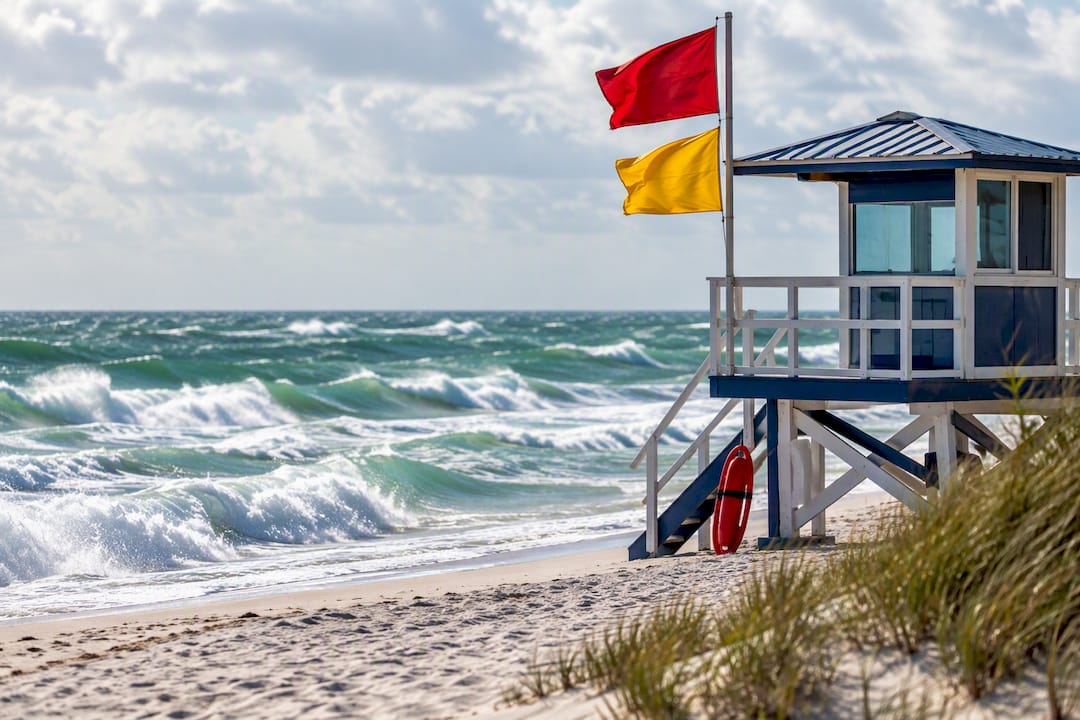
Each coast carries its own seasonal risk. The Gulf is more prone to red tide blooms, which can irritate eyes and airways during active events. The Atlantic sees more frequent rip currents and storm surge risk tied to its open exposure. Neither risk is constant, both are trackable.
Pro Tip: Before any beach day, check the Florida DOH Healthy Beaches status for that specific beach, not just the general region. Bacteria advisories are hyper-local and can change within a day after heavy rain.
Always swim near a lifeguard stand, avoid areas right next to inlets or storm drains, and respect flag warnings even when the water looks flat and inviting.
How Do Housing and Daily Life Differ by Coast?
Choosing where to live is a different calculation than choosing where to vacation. The Southeast Atlantic corridor, think Miami to Fort Lauderdale, carries a heavier urban price premium tied to density and international demand. Gulf Coast pricing is more mixed: Sarasota and Naples run expensive, while smaller Panhandle towns stay more accessible.
Tourism seasonality touches both coasts, but it shows up differently depending on the regional character of the town. Panhandle and Southwest Gulf communities tend to feel quieter and slower outside peak season. Southeast Atlantic cities keep a more constant, international buzz year-round.
A few practical factors worth weighing before committing to either side:
Airport access: Tampa and Fort Myers serve the Gulf well; Miami, Fort Lauderdale, and Orlando cover the Atlantic corridor and Central Florida.
Healthcare and schools: Both coasts have strong options in metro areas, but smaller Gulf towns may mean longer drives for specialized care.
Seasonal rental demand: Coastal towns on both sides see rental income spike from winter through spring, which affects local rents and short-term housing availability.
Storm exposure: Every coastal Florida property carries hurricane risk. Get an insurance quote specific to the exact address before you buy or commit to a long-term lease, since flood zones vary block by block.
Neither coast is inherently the “smarter” place to live. It comes down to which trade-offs, price, pace, or proximity, actually fit your life.
How Do You Decide Which Coast Fits You?
Run through this short list before booking a trip or scheduling a house tour. It forces the real priorities to the surface instead of letting scenery alone make the call.
Rank your top three priorities. Family safety, surf access, nightlife, budget, and commute distance rarely all point the same direction, so decide which two matter most.
Ask about water-quality history, not just current conditions, when you talk to a host or agent. A beach with frequent advisories is a pattern, not a one-off.
Check parking and crowd levels for your specific dates. Some of the best beaches, Siesta Key included, fill their lots by mid-morning during peak season.
Ask about seasonal closures for construction, red tide cleanup, or storm damage that might affect your exact travel window.
Watch for red flags: beaches near industrial inlets, no visible lifeguard presence, or repeated bacteria advisories in the same season.
Pro Tip: If a rental listing doesn’t mention proximity to the beach in walking minutes, ask directly. “Near the beach” can mean two minutes or twenty, and that gap changes your whole trip.
What Local Hosts Know About Booking the Gulf Side
A trusted local host has spent many years placing guests into Gulf Coast homes, and a few patterns show up every season. Beachfront homes deliver direct sand access and sunset views, while bayfront homes trade a short walk for calmer water, better protection from wind, and often a private dock.
The calmest Gulf water for young swimmers typically shows up in late spring and early fall, after the winter chop settles but before peak summer crowds arrive.
Every home in a well-managed rental collection should list nearby lifeguard coverage, note recent cleaning protocols, and provide a local contact for questions that come up mid-stay. If you’re still weighing the trade-off between a beachfront and bayfront stay, that decision often matters more than the coast itself.
What Hosting Guests Taught Us About These Trade-Offs
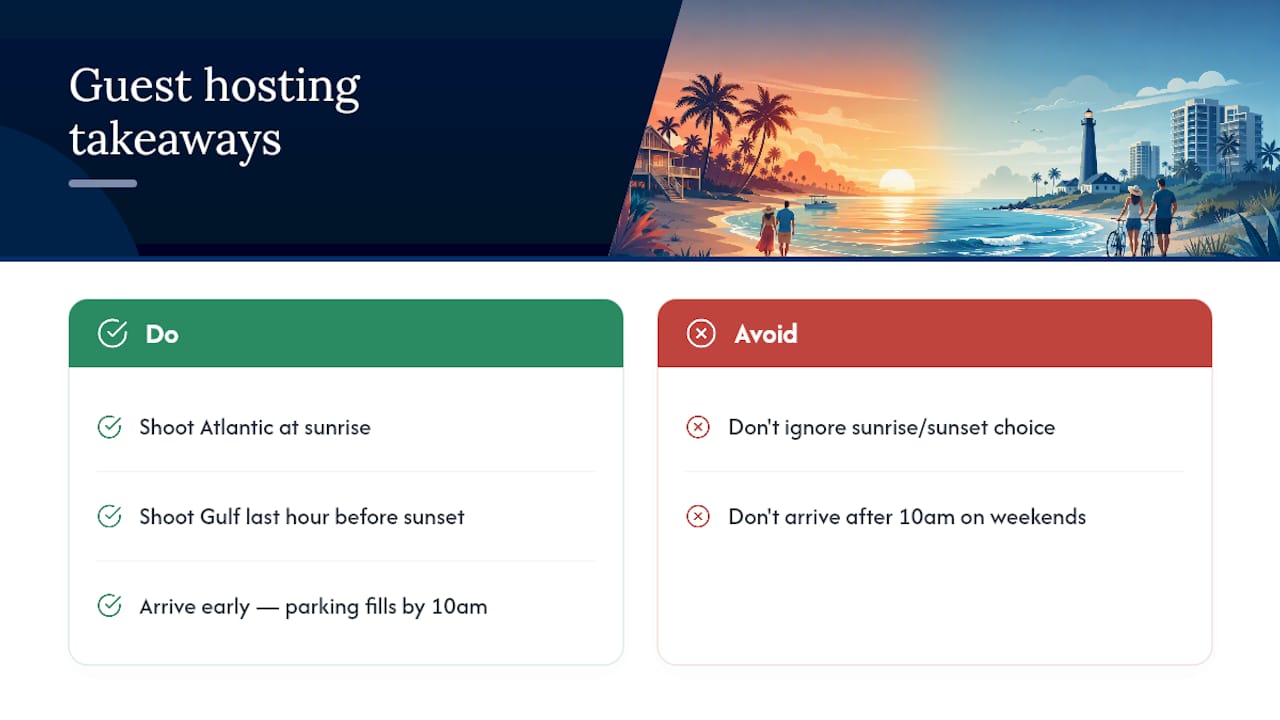
Guests almost always underestimate how much sunrise versus sunset preference shapes a trip. East-facing renters wake up for the light; west-facing renters plan dinner around it. Parking at popular beaches fills faster than people expect, often by 10 a.m. on weekends.
Pro Tip: Shoot beach photos in the first hour after sunrise on the Atlantic side, or the last hour before sunset on the Gulf. The light does the work for you.
— Josh
Ready to Book Your Gulf Coast Stay?
If everything above points you toward the Gulf, calmer water, warmer temperatures, and sunset evenings, a specialized vacation rental platform offers a direct path to it without the fees or friction of a third-party marketplace. Bookings go straight through the platform with no third-party platform fees, backed by a local team experienced in placing guests into Captiva Island homes.

Whether you want sand at your doorstep or a quiet dock for watching the sunset, there’s a home suited to it. Browse beachfront vacation homes for direct water access, or look at bayfront vacation homes if calmer, protected water matters more than proximity to the surf. Families traveling with kids often do best in a home with a private pool, which solves the “is the water calm enough today” question entirely. Start browsing the full collection of vacation homes for rent and check availability for your travel dates directly on the site.
Check These Before You Go
A few resources are worth bookmarking regardless of which coast you choose. Beach conditions change day to day, and the sources below track that in real time rather than relying on general reputation.
Florida DOH Healthy Beaches monitoring for current water-quality advisories by specific beach.
County parks pages, like Sarasota County’s Siesta Beach page, for parking, amenities, and lifeguard hours.
Visit Florida’s regional overviews for a broader sense of each subregion’s character before you commit to a town.
Read advisories as a snapshot, not a verdict. A single rainy week can trigger a temporary bacteria advisory that clears within days, so check dates close to your actual trip rather than relying on older reports.
Sources
FAQ
Is It Better to Live on the Gulf or Atlantic Side of Florida?
It depends on what you’re optimizing for. The Gulf tends to offer a slower pace and warmer, calmer water, while the Atlantic, especially in the southeast, delivers more urban density, job variety, and international connectivity. Compare specific towns rather than entire coasts, since a quiet Gulf town and a quiet Atlantic town can feel more alike than two towns on the same coast.
What Beaches Should I Avoid in Florida?
Avoid beaches with frequent bacteria advisories, no visible lifeguard coverage, or locations right next to storm drains and industrial inlets, since water-safety risk is highly local and tied to rainfall and drainage more than to coast. Check the specific beach’s current status before you go rather than relying on its general reputation.
Which Is Warmer, Gulf or Atlantic?
The Gulf runs about 2 to 5 degrees warmer than the Atlantic at the same latitude, particularly in shallow water during spring. That gap narrows in peak summer when both coasts warm up substantially.
Which Coast Is Better in Florida?
Neither coast is universally better. The Gulf suits families and swimmers who want calm, warm water and slower evenings, while the Atlantic suits surfers, sunrise chasers, and anyone drawn to a livelier, more urban beach scene. Captiva-island focuses on the Gulf side specifically for travelers who’ve decided that calmer water and sunset views fit their trip.
Recommended
Comments