
Beachfront Property Management Considerations: 2026 Guide


Beachfront property management is defined as the specialized practice of maintaining, leasing, and operating coastal rental homes under conditions that inland properties never face. Salt air corrosion, Coastal Commission permits, named storm deductibles, and tight seasonal demand windows all shape every decision you make as an owner. Traditional management fees for single-family coastal rentals in Newport Beach range from 8% to 12%, a figure that reflects the elevated complexity of oceanfront operations. Getting these beachfront property management considerations right from the start protects your asset and keeps guests coming back.
1. What are the primary maintenance challenges for beachfront properties?
Salt air is the single most destructive force your property faces. Salt air and humidity accelerate corrosion and structural decay, mandating proactive waterproofing and humidity control systems for long-term durability. That means your maintenance cycles must exceed what any inland property requires.
The practical impact shows up fast. Exterior fixtures, roofing fasteners, HVAC coils, and window frames all degrade faster within a quarter mile of the water. A standard annual inspection schedule is not enough. Coastal property management demands quarterly walkthroughs focused specifically on corrosion points, sealant integrity, and drainage performance.
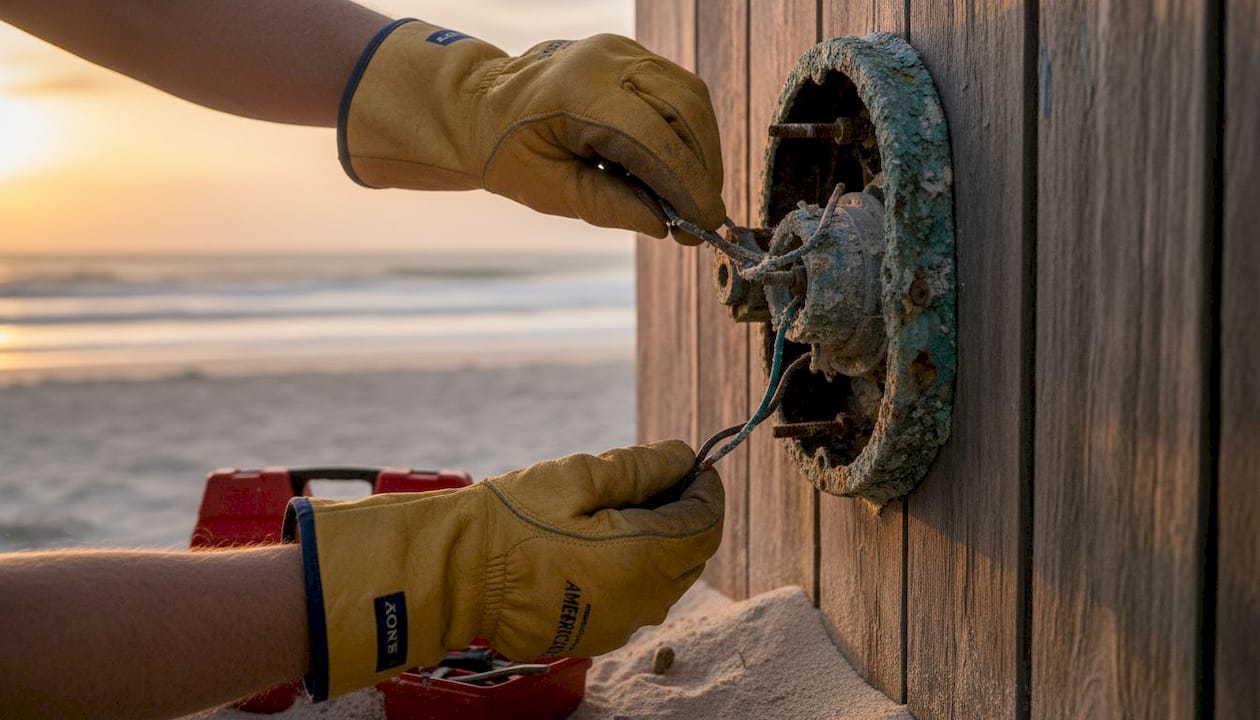
Humidity control inside the home matters just as much as the exterior. Without active dehumidification, mold can establish itself in closets, under cabinets, and inside HVAC ducts within a single wet season. Guests notice mold immediately, and a single negative review citing it can suppress bookings for months.
Storm preparation adds another layer entirely. Emergency operations planning including vendor call trees, tenant communication templates, and documented pre-storm checklists reduces downtime and costly repairs after storm events. Post-storm walkthroughs should follow a written protocol, not memory.
Pro Tip: Schedule a full exterior inspection every 90 days and photograph every corrosion point. That photo record becomes your baseline for insurance claims and contractor accountability.
2. How do insurance and regulatory compliance shape coastal property management?
Insurance for a beachfront rental is not a single policy. Beachfront rental owners must build layered insurance policies that account for named storm deductibles, flood exposure, and business interruption. Each layer covers a different risk, and gaps between them are where owners lose money.
Named storm deductibles alone can reach 5% of the insured value of the structure. On a $1.5 million home, that is $75,000 out of pocket before the insurer pays a cent. Business interruption coverage protects rental income during repair periods, which can stretch weeks after a major storm.
Regulatory compliance carries equal weight. Local coastal regulations require coastal development permits, environmental review, and recorded deed restrictions even for minor exterior projects. Replacing a deck railing or adding an outdoor shower can trigger a permit requirement that delays the work by months.
The practical solution is a compliance binder. This is a physical or digital file that holds your current permits, deed restrictions, flood zone maps, and inspection records. When a contractor asks what they can and cannot do, the binder answers the question in minutes instead of days. Regulatory compliance treated as a strategic asset, rather than a paperwork burden, prevents operational paralysis when sudden maintenance or permitting demands arise.
3. What operational strategies improve guest satisfaction and occupancy?
Premium pricing for a beachfront rental depends on what you can prove the property offers. Experiential amenities such as private beach access, covered decks, and rinse-off stations drive premium pricing and higher conversion rates in shoulder seasons. Guests booking a luxury coastal home expect those features to be real, photographed clearly, and described accurately.
Active revenue management means adjusting your rates based on booking pace, not intuition. If a week in october is filling faster than the same week last year, your rate is probably too low. If a holiday weekend still has openings 60 days out, you need to drop the price or add an incentive. Owners who price reactively earn more than those who set rates once and forget them.
Turnover protocols protect your reviews. A clean, well-stocked home that smells fresh and has no visible wear earns five-star ratings. A home with a sandy floor, empty soap dispensers, and a burned-out bulb earns three stars and a comment that lives online permanently. Build a written turnover checklist that your cleaning team signs off on after every stay.
Guest communication before arrival reduces complaints during the stay. Send house rules, parking instructions, and occupancy limits in a pre-arrival message, not buried in the booking confirmation. Guests who arrive informed arrive relaxed. You can find more practical guidance on beach house rental tips that cover the full guest experience cycle.
Pro Tip: Add a rinse-off station at the beach entry if your property does not have one. It costs under $500 to install and appears in guest reviews more often than any other single amenity.
4. Which vendor relationships matter most for oceanfront property upkeep?
Vendor selection is where coastal property management either holds together or falls apart. Vendor expertise in corrosion-resistant materials, marine environment hardware, and coastal regulatory constraints significantly improves long-term maintenance cost management. A contractor who does not understand marine-grade fasteners will use the wrong hardware, and you will pay to redo the work within two years.
Build relationships with vendors before you need them urgently. A plumber who knows your property and your local permit office responds faster after a storm than one you found through a general search. The same applies to your HVAC technician, roofer, and waterproofing specialist. Coastal conditions require specialists, not generalists.
Preventive maintenance scheduling protects your budget. Deck inspections, HVAC coil cleaning, waterproofing reapplication, and corrosion treatment each have optimal timing. HVAC coils near salt air should be cleaned twice a year rather than once. Deck sealant in a coastal climate needs reapplication every 18 months, not every three years as inland guides suggest.
Reserve budgeting for erosion and drainage issues is a separate line item from routine maintenance. Coastal erosion can undermine a seawall or shift drainage patterns in a single storm season. Owners who treat this as an unexpected expense rather than a planned one face repair bills that arrive without warning and without funds to cover them. Reviewing vacation rental income best practices helps you build a reserve structure that accounts for these coastal-specific costs.
5. How do location factors and market conditions influence management decisions?
True oceanfront and near-beach properties are not the same product in the rental market. Owners often confuse ocean proximity with value; unobstructed water views, covered decks, and rinse-off stations are what actually drive premium pricing and steady occupancy. A home two blocks from the water with no view competes on price. A home with direct beach access and a clear Gulf view competes on experience.
Short-term rental permit caps change the math on occupancy strategy. Market dynamics such as permit caps, local enforcement, and zoning restrictions must be factored into pricing and listing strategies to protect occupancy. Non-compliance risks fines and loss of rental authorization, which eliminates income entirely. Know your local cap before you set annual revenue projections.
Seasonal demand on barrier islands like Captiva follows school calendars and holiday windows more than weather alone. The weeks around spring break, the Fourth of July, and Thanksgiving fill first and command the highest rates. Shoulder seasons, particularly late april and early october, offer strong occupancy if your listing highlights the quieter, more private experience those weeks provide. Understanding luxury beach house features that guests prioritize helps you position your property accurately for each season.
Competing inventory in your immediate area sets the floor on your pricing. If three comparable homes within a half mile drop their rates for a slow week, your occupancy suffers unless you respond. Monitoring local booking pace weekly, not monthly, keeps you ahead of that pressure. A guide to choosing holiday homes from the guest perspective offers useful insight into what drives booking decisions at the property level.
Key Takeaways
Effective coastal property management requires layered insurance, proactive maintenance cycles, regulatory compliance, and guest-focused operations working together to protect asset value and maximize rental income.
Point | Details |
Maintenance exceeds inland standards | Schedule quarterly inspections for corrosion, sealant, and drainage specific to salt air exposure. |
Insurance requires multiple layers | Cover named storm deductibles, flood risk, and business interruption as separate policy components. |
Compliance binders prevent delays | Keep permits, deed restrictions, and inspection records organized to respond fast to contractor or regulatory needs. |
Amenities drive premium pricing | Private beach access, covered decks, and rinse-off stations justify higher rates and improve shoulder-season occupancy. |
Vendor specialization reduces costs | Use contractors familiar with marine-grade materials and coastal permits to avoid rework and regulatory violations. |
What I’ve learned about managing beachfront properties the hard way
Most owners treat coastal regulations as an obstacle. The ones who manage their properties well treat them as a planning tool. When you know exactly what permits a deck repair requires, you schedule the work in the off-season and avoid losing rental weeks to an unexpected compliance hold. That shift in mindset changes everything about how you budget and plan.
The maintenance gap between what owners expect and what coastal conditions actually demand is where most properties lose money quietly. A missed HVAC cleaning, a cracked sealant joint left until next season, a drainage issue that “isn’t that bad yet” all compound into repair bills that arrive at the worst possible time. Proactive oceanfront property upkeep is not optional. It is the difference between a property that holds its value and one that quietly deteriorates between guest stays.
The vendors you trust matter more than almost any other operational decision. One contractor who understands marine hardware and knows your local permit office is worth more than three cheaper ones who do not. Build those relationships before a storm forces you to find someone under pressure.
Finally, adaptation planning belongs in your capital budget, not your emergency fund. Erosion monitoring, drainage improvements, and post-storm contingencies are predictable costs on a coastal property. Treating them as surprises is a choice, and it is an expensive one.
— Josh
Beachfront rentals on Captiva Island, managed with local expertise
Captiva-island has spent over 30 years managing luxury beachfront and bayfront homes on Captiva Island, Florida, and that experience shows in every operational detail. From vendor coordination and permit navigation to dynamic pricing and guest communication, the team at American Realty of Captiva handles the full range of coastal management challenges so you do not have to.
Property owners who want their homes to perform at the highest level trust Captiva-island’s local knowledge and hands-on approach. Whether you are already managing a rental or considering investing in beachfront property, the available beachfront homes on Captiva Island show what well-managed coastal properties look like in practice. The island is beautiful. The management behind it is what keeps guests returning year after year.
FAQ
What makes beachfront property management different from standard rentals?
Coastal properties face salt air corrosion, flood and storm insurance requirements, and Coastal Commission permits that inland rentals never encounter. These factors require specialized vendors, more frequent maintenance cycles, and layered insurance coverage.
How often should I inspect a beachfront rental property?
Quarterly inspections focused on corrosion, sealant integrity, and drainage are the minimum standard for coastal properties. Post-storm walkthroughs should follow a written protocol every time a significant weather event occurs.
What insurance coverage does a beachfront rental need?
A beachfront rental requires separate coverage for named storm deductibles, flood exposure, and business interruption. Each layer addresses a different risk, and gaps between them are where owners face the largest out-of-pocket losses.
Which amenities most improve occupancy for oceanfront rentals?
Private beach access, covered decks, and rinse-off stations consistently drive premium pricing and stronger booking rates, particularly in shoulder seasons when competing properties rely on price alone.
How do short-term rental permit caps affect beachfront property income?
Local permit caps limit the number of nights a property can be rented legally, and non-compliance risks fines and loss of rental authorization. Owners must factor cap limits into annual revenue projections before setting pricing strategies.
Recommended
Comments